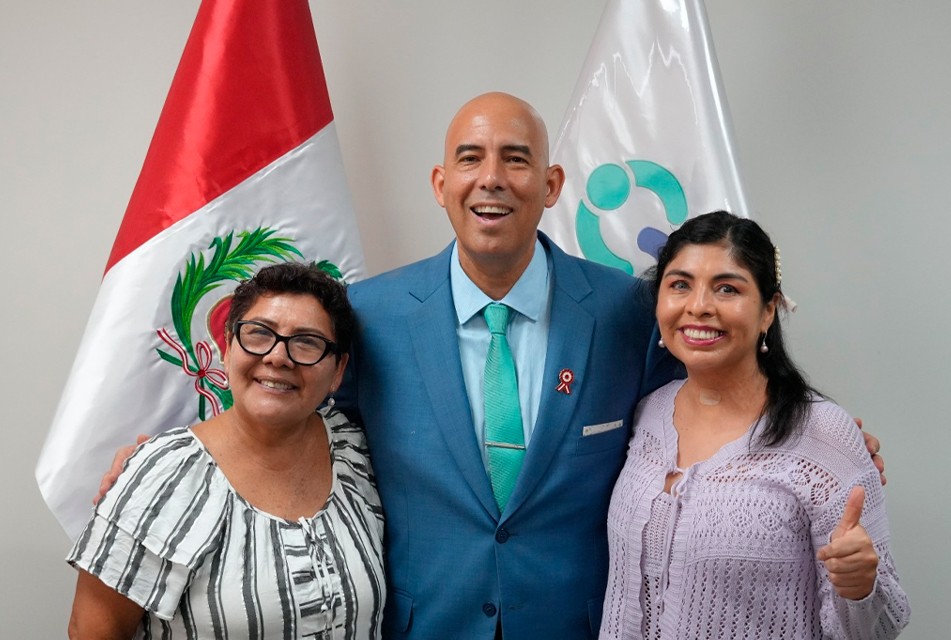
A patient recently regained their vision following a complex, multidisciplinary medical intervention funded by Saludpol, the health insurance provider for the Peruvian National Police. This case highlights the role of specialized insurance coverage in managing rare and high-cost medical conditions that often fall outside the scope of standard healthcare plans.
Understanding the Role of Specialized Health Insurance
In the context of public health, the ability of an insurance provider to facilitate access to rare disease treatment is a critical metric of institutional efficacy. According to the official portal of Saludpol, the organization is mandated to provide comprehensive health coverage for members of the Peruvian National Police and their eligible dependents. When a patient presents with a rare condition that threatens vital functions, such as sight, the financial and logistical support provided by the insurer becomes a primary determinant of the clinical outcome.
Rare diseases, by definition, often require diagnostic procedures and pharmaceutical interventions that are not readily available in local clinics. The successful treatment of this patient underscores the necessity of a “comprehensive treatment” model—an approach that integrates specialized ophthalmological surgery, post-operative care, and long-term pharmaceutical monitoring. This structured pathway is essential for ensuring that patients do not face the financial burden of catastrophic health costs, which are a leading cause of medical bankruptcy globally.
Clinical Pathways for Rare Ocular Conditions
The restoration of vision in patients suffering from rare, degenerative, or complex ocular diseases often involves a multi-stage approach. Medical literature indicates that such treatments usually begin with advanced genetic or imaging diagnostics to pinpoint the precise pathology. Once identified, interventions may include specialized surgical procedures or the administration of orphan drugs—pharmaceuticals developed specifically for rare conditions.
For patients covered by state-linked insurance schemes like Saludpol, the process involves a rigorous verification of medical necessity. As outlined in the administrative guidelines for Saludpol beneficiaries, the insurer works to bridge the gap between initial diagnosis and the delivery of high-complexity care. This ensures that the patient’s clinical journey is not interrupted by delays in funding or procurement of specialized equipment, which are common barriers in the treatment of rare pathologies.
Impact on Patient Quality of Life
Beyond the clinical success of the surgery, the recovery of vision has profound implications for a patient’s socioeconomic reintegration. The World Health Organization (WHO) has frequently noted that visual impairment is a significant factor in reduced labor participation and mental health struggles among working-age populations. By facilitating this treatment, Saludpol acts not only as a payer but as a facilitator of public health stability.
The successful outcome in this case serves as a reference for how public-sector health insurance can adapt to the rising demand for personalized medicine. As medical technology advances, the challenge for insurers will remain the sustainable financing of these innovative treatments. For beneficiaries, the availability of such programs provides a safety net that is critical in the face of unpredictable health crises.
Future Monitoring and Official Updates
While the patient’s recovery represents a significant milestone, long-term follow-up is standard practice for rare condition management. Patients and their families are encouraged to monitor the official Saludpol communication channels for updates on coverage expansions and new protocols for rare disease management. These platforms provide the most accurate information regarding eligibility criteria and the process for requesting specialized medical support for complex cases.
As the healthcare landscape continues to evolve, the integration of patient-centered care and robust insurance policy remains a priority for regional health authorities. Readers interested in the broader implications of this case or who are seeking information on their own coverage should consult their primary care physician or official insurer representatives to discuss available options for specialized care.