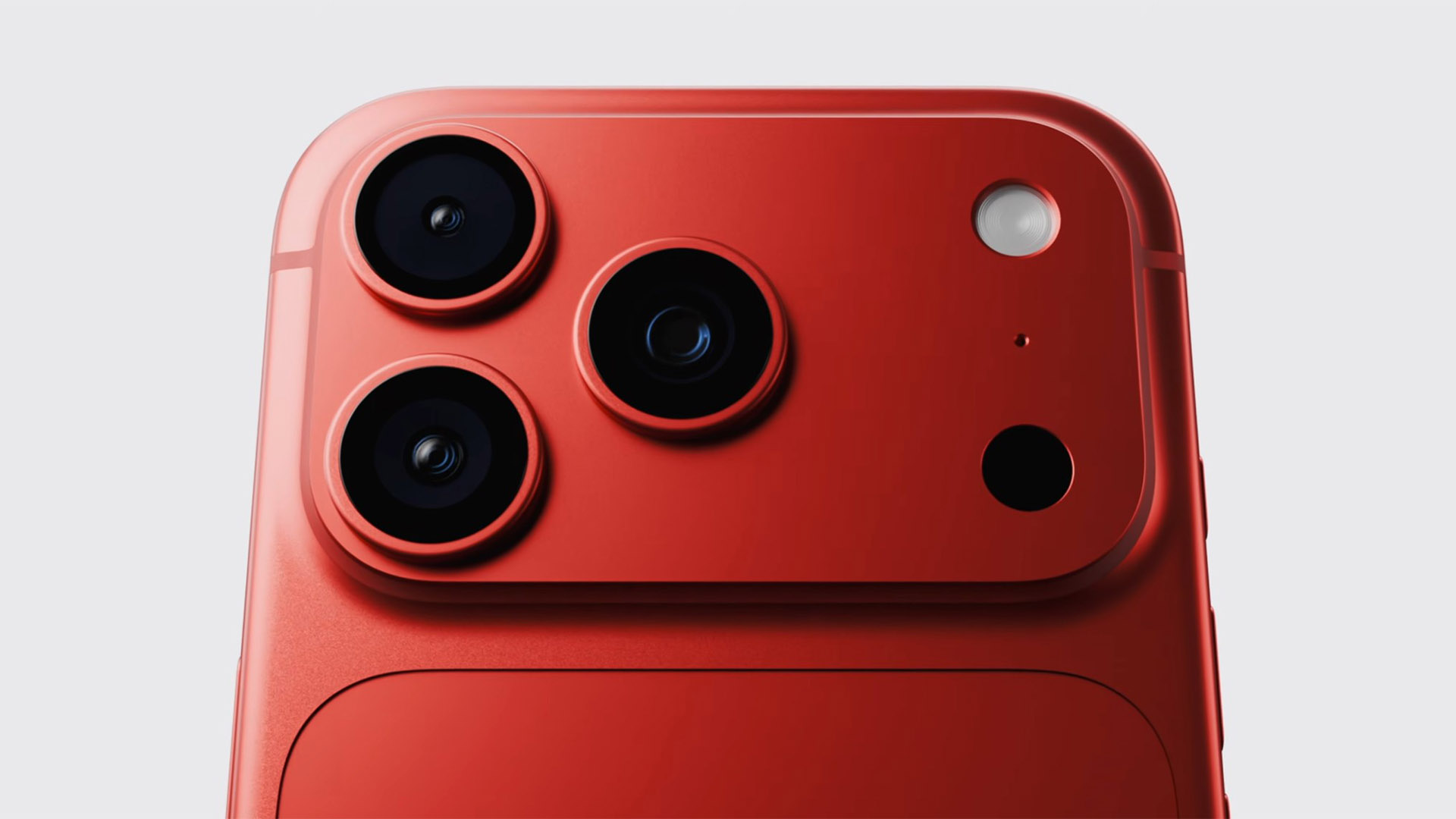
Recent industry reports suggest that Apple is exploring significant battery capacity increases for the future iPhone 18 Pro Max, a move that could fundamentally alter the device’s physical profile. While consumer demand consistently trends toward longer battery life, supply chain analysis indicates that integrating higher-density energy cells may lead to a noticeable increase in the handset’s overall weight and chassis thickness.
As we monitor the development cycle of upcoming mobile hardware, the trade-off between power efficiency and ergonomic design remains a primary challenge for engineering teams in Cupertino. For users who prioritize longevity, this potential adjustment represents a shift in Apple’s historical design language, which has long emphasized a balance between slim aesthetics and internal performance.
Understanding the Relationship Between Energy Density and Chassis Design
The core of the current discussion involves the physical limits of lithium-ion technology. To achieve substantial improvements in battery capacity—often requested to support power-hungry features like advanced on-device AI processing and high-refresh-rate displays—manufacturers must either improve the energy density of the battery chemistry or physically increase the volume of the battery cells. According to industry analysis from MacRumors, which tracks supply chain movements related to Apple’s internal components, increasing the physical size of the battery inherently limits the space available for other internal components like the logic board, camera modules, and thermal management systems.
When a smartphone’s battery footprint expands, the device must often grow in thickness to maintain structural integrity. This engineering reality is a well-documented constraint in consumer electronics, where the internal volume of a smartphone is a zero-sum game. As noted in reports from 9to5Mac, recent design iterations have focused on optimizing internal stacking, but there are physical thresholds where additional capacity necessitates a larger enclosure.
The Evolution of iPhone Weight and Ergonomics
The iPhone Pro Max series has historically been one of the heaviest flagship devices on the market. With the transition to titanium frames in recent generations, Apple successfully reduced the weight of the iPhone 15 Pro and 16 Pro series compared to their stainless steel predecessors. However, the potential for a larger battery in the iPhone 18 Pro Max could negate these weight-saving achievements.
Increased weight is not merely a matter of comfort; it impacts how the device feels during extended usage, such as one-handed operation or long-duration media consumption. For a device intended to be the “maximum” iteration of Apple’s flagship, the challenge lies in maintaining a premium feel without exceeding the practical weight limits for a handheld device. Current market trends show that while consumers want “all-day” battery life, there is a clear ceiling for how heavy a daily-use phone can be before it becomes cumbersome.
What This Means for Future Apple Hardware Releases
For the average user, these rumored physical changes highlight the ongoing tension between hardware performance and portability. If Apple opts for a larger battery, the company will likely market the change based on the resulting increase in hours of use, potentially framing the added weight as a necessary sacrifice for the benefit of improved performance.
It is important to note that these details regarding the iPhone 18 Pro Max remain in the speculative phase of the product development cycle. Apple typically finalizes its hardware specifications months before mass production begins, and the company has not released any official information regarding the technical specifications of the 2026 flagship lineup. Investors and consumers should look for official announcements during Apple’s annual September events, which serve as the primary venue for these product disclosures, as documented in the company’s official newsroom archives.
Anticipating Official Updates
The next major checkpoint for verifying these design claims will be the leak of supply chain schematics or regulatory filings that typically appear as the production timeline moves closer to the projected launch date. Until then, reports regarding the weight and thickness of future iPhone models should be categorized as industry speculation rather than confirmed hardware specifications.
What are your thoughts on the balance between battery size and device weight? Does a thicker, heavier phone matter to you if it provides significantly more battery life? Share your perspective in the comments below or join the conversation on our social channels.