The 2026 Tour de France has reached a critical juncture, with Tadej Pogačar establishing a commanding presence following a dominant performance on the Tourmalet. As the race progresses, the psychological toll on challengers like Remco Evenepoel and Jonas Vingegaard has become a central narrative, with cycling analysts highlighting the risks of internal frustration and tactical errors during this high-stakes competition.
Pogačar’s performance during the sixth stage redefined the current hierarchy of the general classification. By shattering the existing record for the ascent of the Col du Tourmalet, the Slovenian rider forced his rivals into a defensive position much earlier than many teams anticipated. According to race data, the gaps opened during this stage were significant enough to shift the momentum of the entire Tour, leaving contenders scrambling to recalibrate their strategies for the mountain stages ahead.
The Psychological Strain on Remco Evenepoel
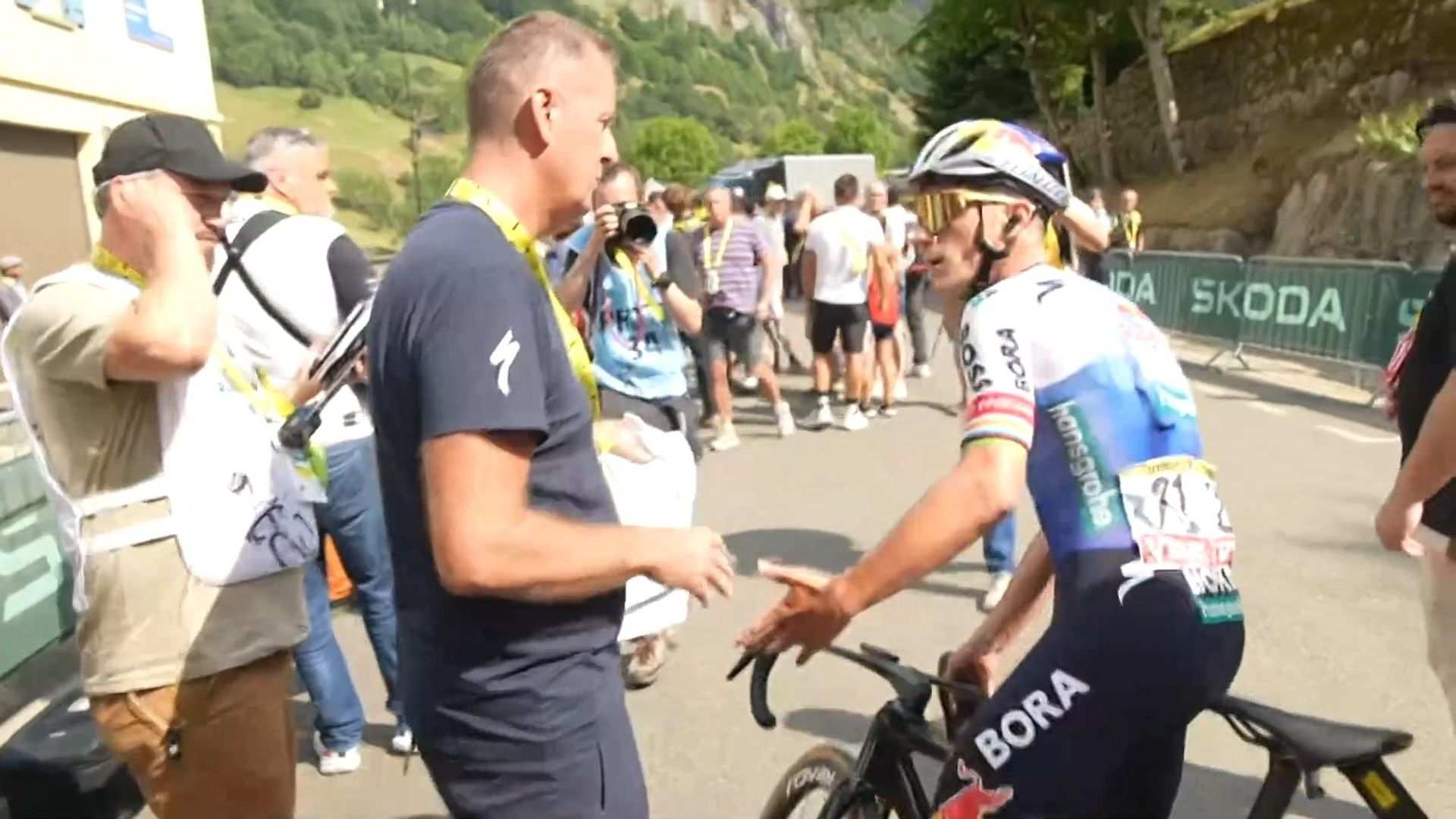
While Pogačar’s physical output dominates the headlines, the reactions of his primary rivals have drawn scrutiny from observers. Remco Evenepoel, who entered the race as a top contender, has shown visible signs of frustration as the time gaps between him and the yellow jersey have widened. Analysts monitoring the race have noted that this visible irritation, while understandable given the intensity of the effort, represents a potential drain on the limited energy reserves required for a three-week grand tour.

The consensus among cycling experts is that maintaining composure is as vital as physical conditioning in the high mountains. When a rider allows frustration to dictate their pacing or tactical decisions, they often burn through “lost energy” that could be better preserved for the final, decisive climbs. For a rider of Evenepoel’s caliber, the challenge remains to compartmentalize these setbacks and focus on the remaining stages rather than the deficits already incurred.
Vingegaard and the Impact of Mechanical Setbacks
Jonas Vingegaard’s campaign faced a notable hurdle during the same period, with the defending champion candidly admitting that his performance did not meet his own expectations. Following the sixth stage, Vingegaard acknowledged that he struggled to find his rhythm, describing it as a day where he simply did not have his best legs. This admission of vulnerability stands in stark contrast to his previous dominant displays in the Tour de France.

The combination of a sub-par day and the sheer speed of Pogačar’s ascent has left Vingegaard in a position where he must rely on his team’s tactical ingenuity to bridge the gap. In professional cycling, such “off days” are often attributed to a combination of physiological fatigue and the extreme pressure of the yellow jersey, particularly when the race leader is setting an unprecedented pace.
Pogačar Defies Expectations
Perhaps the most telling aspect of the 2026 edition is the surprise expressed by Pogačar himself regarding the magnitude of the time gaps. Following the sixth stage, the leader noted that he had not expected such a decisive separation from his closest rivals so early in the race. This indicates that the current standings are a result of both Pogačar’s exceptional form and an inability of the peloton to effectively organize a sustained chase on the climb.
The current general classification standings serve as a reflection of these disparities. With the race now moving into the next phase of the mountain calendar, the pressure shifts to the teams of Evenepoel and Vingegaard to dictate the tempo. The inability to neutralize Pogačar on the Tourmalet has fundamentally altered the tactical landscape, forcing the chasing teams to consider more aggressive, high-risk maneuvers if they intend to challenge for the overall victory in Paris.
Looking Ahead to the Next Stages
The race continues with the upcoming seventh stage, which provides a critical opportunity for the peloton to stabilize the general classification. Teams are expected to conduct internal reviews of their tactical failures during the Tourmalet ascent, focusing on communication and support for their designated leaders. For spectators and analysts alike, the question remains whether the current gaps are insurmountable or if the high-altitude stages in the second week will offer the opportunity for a significant counter-attack.

Official updates regarding stage start times, route adjustments, and updated general classification standings will be provided by the race organizers as the competition progresses. We invite readers to share their analysis of the race dynamics and the performance of the favorites in the comments section below.