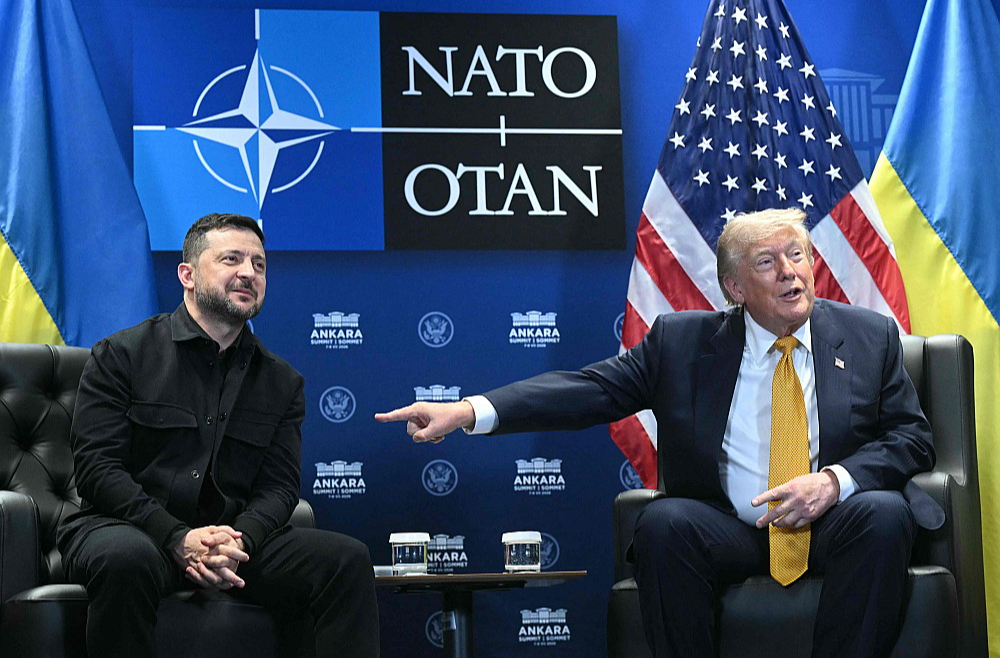
International diplomatic relations occasionally face periods of heightened friction, characterized by unpredictable shifts in rhetoric and policy. These “rollercoaster” moments—often described in various media outlets as a series of diplomatic ups and downs—frequently surface during high-level international summits, where the meeting of diverse national interests can lead to public disagreements between allies. Such episodes, while sometimes appearing chaotic, are often rooted in specific, verifiable policy disputes or shifts in leadership strategy.
One notable example of this dynamic occurred in the context of NATO summits, where the interaction between various heads of state has historically drawn significant international attention. Reports from major news organizations, including Reuters and The Associated Press, have documented how individual leaders use these platforms to voice grievances, challenge established norms, or signal shifts in their foreign policy priorities. These summits serve as critical junctures where the cohesion of international alliances is tested against the individual political agendas of member states.
Diplomatic Friction at NATO Summits
The history of NATO summits includes instances where leaders have openly expressed frustration with the alliance’s structure or the contributions of its members. During past gatherings, specific leaders have made public declarations regarding their commitment to the organization, sometimes stating that their attendance was contingent upon addressing particular issues or individuals. These moments are frequently amplified by the global media, creating a perception of instability within the alliance.

According to reports from BBC News, these public displays of dissatisfaction often mask complex behind-the-scenes negotiations. While a leader might publicly threaten to withdraw support or criticize the alliance’s efficacy, the actual policy outcomes often reflect a continuation of established security cooperation. The tension between public rhetoric and private diplomatic action remains a hallmark of modern geopolitical engagement.
The Geopolitical Implications of Territorial Discourse
Beyond internal alliance management, high-level summits have also been used to introduce unconventional territorial proposals. A well-documented instance involved public discussions regarding the potential acquisition of Greenland by the United States. Following reports of this interest, the government of Denmark—of which Greenland is an autonomous territory—issued clear and formal responses.
As confirmed by the U.S. This exchange highlights the limits of transactional diplomacy when applied to sovereign territories and the importance of maintaining established diplomatic protocols. Such episodes serve as reminders that even among close allies, there are fundamental boundaries regarding national sovereignty and territorial integrity.
Understanding the Media Narrative
The term “rollercoaster” is frequently employed by international commentators to describe the volatile nature of these diplomatic cycles. From a journalistic perspective, it is essential to distinguish between the sensationalized portrayals of these events and the underlying geopolitical realities. When analyzing reports from various regions, including Eastern Europe and the Nordic countries, one finds a wide spectrum of interpretations regarding the stability of Western alliances.
As an editor with over 14 years of experience in international reporting, I have observed that public sentiment often fluctuates in response to the headlines of the day. However, the institutional memory of organizations like NATO often proves more resilient than the rhetoric of any single summit. Readers seeking the most accurate information should prioritize official communiqués from the NATO website over speculative analysis found in secondary sources.
Next Steps in International Cooperation
The next major developments in this space will be determined by the outcomes of upcoming ministerial meetings and the official agendas set for subsequent heads-of-state summits. These scheduled engagements provide the formal framework for addressing the grievances and proposals that characterize modern international relations. For those following these developments, official government portals and verified international news wire services remain the most reliable sources for updates.

We welcome your perspectives on how these diplomatic shifts affect global security. Please feel free to share your thoughts or continue the conversation in the comments section below.