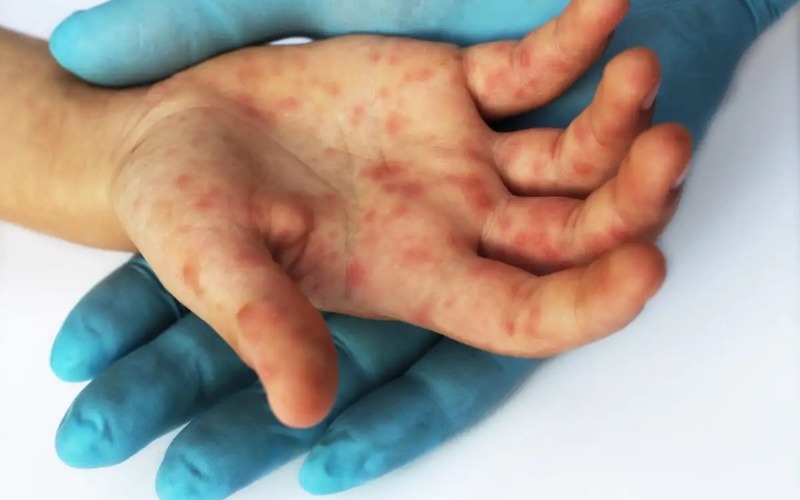
Costa Rican health authorities have confirmed the detection of two cases of mpox—formerly known as monkeypox—prompting the activation of national epidemiological surveillance protocols. The Ministry of Health and the Costa Rican Social Security Fund (CCSS) are currently monitoring the situation to contain potential transmission, as the country reinforces its diagnostic and clinical response capacities.
As a physician, I recognize that the emergence of mpox cases often generates understandable public concern. However, it is essential to contextualize this news within the framework of existing public health protocols. Mpox is a viral zoonotic disease that, while requiring medical attention, is managed through well-established isolation and contact-tracing procedures. The current response in Costa Rica follows international guidelines set by the World Health Organization (WHO) regarding the management of sporadic cases in non-endemic regions.
Epidemiological Surveillance and Clinical Protocols
The Costa Rican Ministry of Health has confirmed that the two identified patients are currently under medical supervision. According to official statements from the Costa Rican Ministry of Health, the activation of surveillance protocols is a standard precautionary measure designed to identify potential contacts and prevent further spread within the community. The CCSS, which manages the country’s public hospital system, has instructed healthcare providers to maintain a high level of clinical suspicion for patients presenting with characteristic symptoms, such as fever, rash, and lymphadenopathy.
The primary focus of these protocols is twofold: rapid identification of symptomatic individuals and the implementation of isolation measures to break the chain of transmission. Clinical teams are trained to assess the risk of exposure and provide appropriate supportive care, as most cases of mpox are self-limiting and resolve within two to four weeks.
Understanding Transmission and Preventive Measures
Mpox is primarily transmitted through close, physical contact with an infected person. This includes direct contact with skin lesions, respiratory droplets during prolonged face-to-face interactions, and contact with contaminated materials such as bedding or clothing. It is important to note that the virus does not spread as easily as respiratory pathogens like influenza or SARS-CoV-2.
Public health experts emphasize that hygiene remains the most effective tool for community-level prevention. Key recommendations for the public include:
- Maintaining hand hygiene with soap and water or alcohol-based sanitizers.
- Avoiding direct contact with individuals who exhibit visible skin lesions or rashes.
- Seeking medical evaluation if symptoms such as unexplained fever, muscle aches, or skin eruptions develop.
- Reporting potential exposure to local health authorities to facilitate timely contact tracing.
For those seeking verified, real-time information, the Costa Rican Social Security Fund (CCSS) provides official updates on public health alerts and clinical guidance. It is critical to rely on these official sources rather than social media speculation to ensure the accuracy of information regarding local health risks.
The Broader Context of Mpox Management
The detection of these cases in Costa Rica is not an isolated event but rather part of a broader global trend where countries continue to manage intermittent outbreaks of the virus. The WHO provides a comprehensive overview of global mpox trends and technical guidance for member states on its official website. By maintaining robust surveillance, Costa Rica aligns itself with international efforts to mitigate the impact of the virus on public health systems.
The current strategy in Costa Rica centers on transparency and preparedness. By proactively notifying the public of these cases, the Ministry of Health aims to ensure that the population remains informed without causing undue alarm. The effectiveness of this containment strategy depends on the cooperation of the public in reporting symptoms and adhering to isolation instructions when necessary.
As the situation develops, the next confirmed checkpoint will be the release of updated epidemiological reports from the Ministry of Health, which are typically published on their official digital platforms. These reports will provide data on whether any additional cases have been linked to the existing ones and outline any adjustments to current public health directives. I encourage our readers to stay engaged with official government bulletins for the latest developments and to share this information with their communities to promote evidence-based awareness.