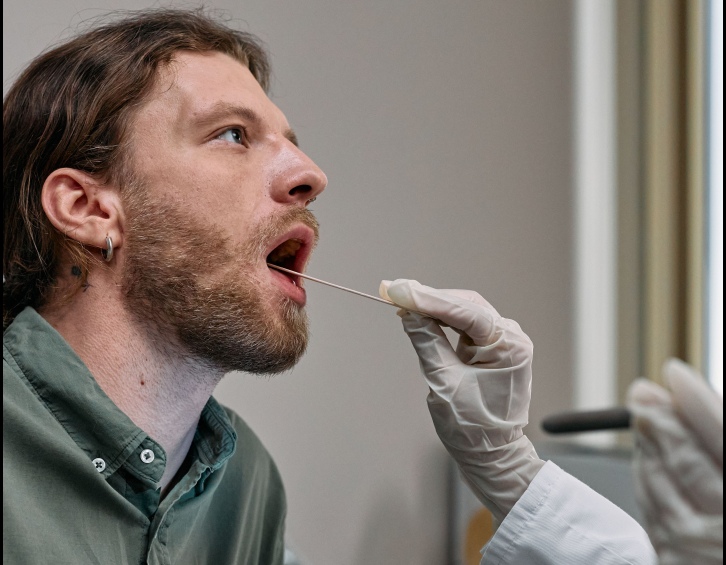
Researchers are developing a non-invasive diagnostic tool capable of identifying oral cancer within one hour, potentially offering an alternative to traditional surgical biopsies. This diagnostic method utilizes advanced molecular analysis to detect specific biomarkers associated with malignant transformations in the oral cavity, aiming to streamline clinical assessments for patients presenting with suspicious lesions.
As a physician and health journalist, I often emphasize that early detection remains the most effective strategy for improving survival rates in oncology. Oral squamous cell carcinoma, the most common form of oral cancer, frequently presents as persistent ulcers or patches that require immediate investigation. While the gold standard for diagnosis remains a histopathological examination—which involves removing a tissue sample—new diagnostic technologies are emerging to reduce the physical and psychological burden on patients.
Understanding the Role of Biomarkers in Oral Diagnostics
The core of this emerging diagnostic approach lies in the identification of specific molecular signatures. According to the National Cancer Institute, head and neck cancers, including those in the oral cavity, often exhibit distinct genetic and protein-based changes long before they become clinically advanced. By analyzing saliva or surface cells collected via a non-invasive brush biopsy, clinicians can search for these proteins or microRNA sequences that signal the presence of malignant cells.
This method differs from traditional biopsies because it does not require the excision of a significant tissue chunk, which can be painful and requires a recovery period. Instead, the focus is on “liquid biopsy” or “molecular screening” techniques that can be processed in a clinical setting. The promise of a one-hour turnaround time suggests that point-of-care diagnostics could soon allow dentists and oral surgeons to provide immediate guidance to patients, rather than waiting days or weeks for pathology reports.
Current Limitations and Diagnostic Standards
While the prospect of rapid testing is encouraging, it is essential to distinguish between screening tools and definitive diagnostic procedures. The World Health Organization notes that oral cancer is often diagnosed at later stages, partly due to the lack of accessible, routine screening programs. Currently, if a primary care provider or dentist identifies a lesion that does not heal within two weeks, clinical guidelines mandate a referral to a specialist for a biopsy.
A biopsy is necessary because it provides the pathologist with the cellular architecture needed to grade the tumor. Molecular tests, while highly sensitive at detecting the presence of cancer-associated biomarkers, currently serve as adjuncts. Their primary role is to help clinicians prioritize which patients require urgent surgical intervention and which might be monitored for benign inflammatory conditions. As of late 2024, no regulatory body, including the U.S. Food and Drug Administration, has fully replaced the traditional biopsy with a stand-alone, one-hour molecular test for oral cancer diagnosis in standard clinical practice.
What This Means for Patient Care
For patients, the integration of rapid diagnostic tools could significantly shorten the “anxiety gap”—the time spent waiting for results after a potential cancer diagnosis. If these tests achieve high sensitivity and specificity in large-scale clinical trials, the standard of care could shift toward a two-tiered approach: a rapid molecular screen followed by a targeted, minimally invasive biopsy only when necessary.
However, the transition from laboratory prototype to bedside application requires rigorous validation. Researchers must demonstrate that these tests perform consistently across diverse populations, accounting for variables such as tobacco use, human papillomavirus (HPV) status, and chronic oral inflammation. Medical innovation in this space is moving rapidly, but accuracy remains the priority to avoid both false negatives, which could delay life-saving treatment, and false positives, which lead to unnecessary procedures.
Patients concerned about persistent mouth sores or persistent pain should continue to follow established clinical pathways. The most reliable way to monitor oral health is through regular screenings performed by dental professionals, who are trained to identify the earliest visible signs of mucosal changes. If you have concerns about a persistent lesion, consult your primary dentist or an oral and maxillofacial surgeon to discuss whether a referral for a biopsy is appropriate based on current clinical evidence.
As further studies are published regarding the validation of rapid molecular diagnostics, we will continue to monitor updates from major medical journals and regulatory agencies. Stay informed by checking official resources from the American Dental Association regarding current screening recommendations. We encourage readers to share their questions in the comments section below, and we will update this space as peer-reviewed data on these new testing methods becomes available.