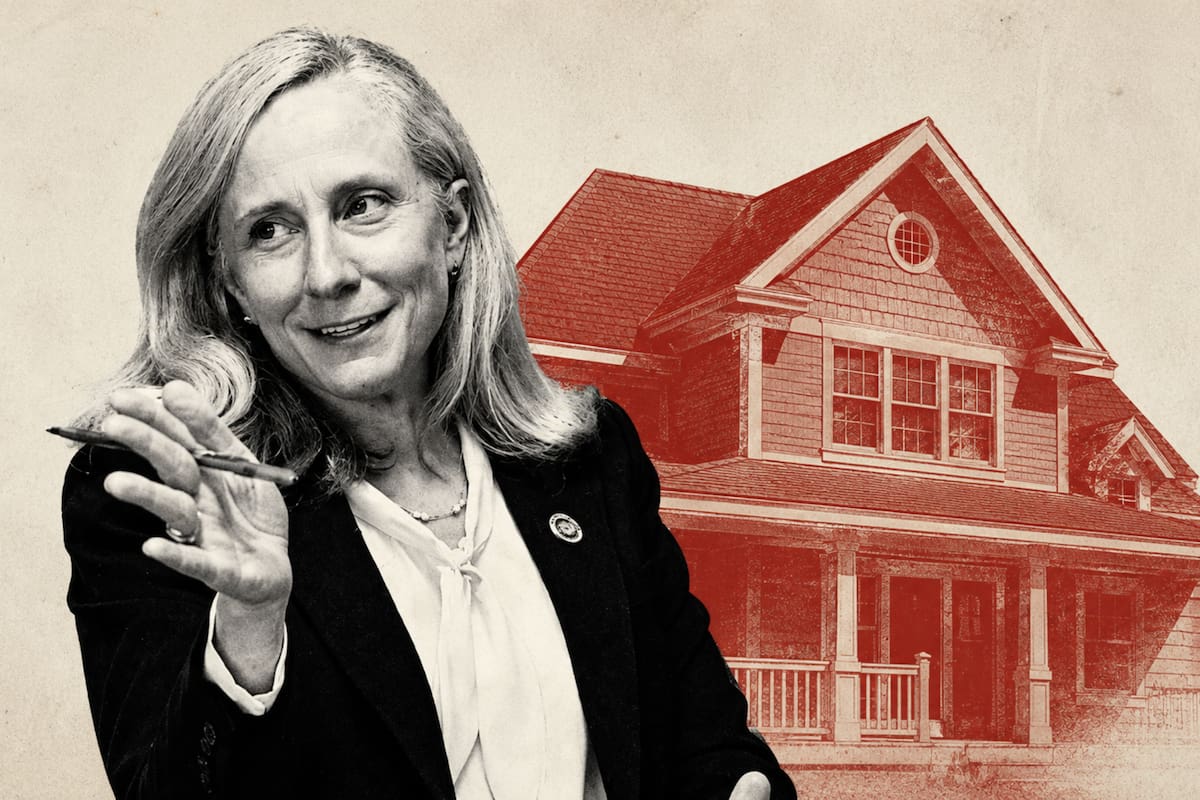
Virginia’s U.S. Representative Abigail Spanberger has introduced a legislative proposal aimed at addressing the state’s growing housing affordability crisis, focusing on tenant protections and measures to lower housing costs. The initiative, unveiled amid a surge in rental prices and eviction rates, seeks to balance the interests of renters and landlords while addressing systemic challenges in the housing market. The plan includes provisions to cap security deposits, limit arbitrary rent increases, and expand access to legal resources for tenants facing eviction.
Spanberger, a Democrat representing Virginia’s 7th congressional district, emphasized the urgency of the issue during a press conference in Richmond. “Families across Virginia are being priced out of their homes, and the current system is failing to protect those most vulnerable,” she said. “This legislation is a step toward ensuring that housing remains a right, not a privilege.” The proposal aligns with broader national conversations about housing policy, though its specific provisions are tailored to Virginia’s unique economic and demographic landscape.
The Context of Virginia’s Housing Crisis
Virginia has experienced a sharp rise in housing costs over the past decade, driven by factors including population growth, limited housing supply, and inflationary pressures. According to a 2023 report by the Virginia Department of Housing and Community Development, the median rent for a two-bedroom apartment in the state increased by 22% between 2019 and 2023. In cities like Richmond and Alexandria, the affordability challenge is particularly acute, with many low- and middle-income families spending over 30% of their income on housing.

The issue has been compounded by a shortage of affordable housing units. A 2022 analysis by the National Low Income Housing Coalition found that Virginia lacks 165,000 homes deemed “affordable” for extremely low-income households. This gap has led to increased homelessness and heightened competition for rental properties, with landlords often prioritizing higher-income tenants.
“The housing crisis isn’t just about numbers—it’s about people,” said Sarah Thompson, executive director of the Virginia Coalition to End Homelessness. “When families can’t afford to stay in their homes, it creates a ripple effect that impacts schools, healthcare, and local economies.”
Key Provisions of Spanberger’s Initiative
The legislative proposal, formally titled the “Virginia Housing Stability and Tenant Protection Act,” includes several key components designed to safeguard renters and stabilize the housing market. Among the most significant provisions:

- Security Deposit Caps: The bill would limit security deposits to one month’s rent for most units, with exceptions for properties with additional amenities. This measure aims to reduce the financial burden on tenants, particularly those with limited savings.
- Rent Increase Limits: Landlords would be restricted to raising rents by no more than 10% annually, with exceptions for properties undergoing major renovations. The provision seeks to prevent sudden, unaffordable increases that force families to relocate.
- Eviction Protection: The law would require landlords to provide tenants with at least 60 days’ notice before initiating eviction proceedings, compared to the current 30-day requirement. It also mandates that tenants be offered legal representation in eviction cases, a move criticized by some landlords as overly burdensome.
- Subsidy Expansion: The proposal includes funding for a new state housing voucher program, targeting low-income families in high-cost areas. The initiative would allocate $50 million in 2024 to support the program, with plans to scale it over the next five years.
Spanberger’s office highlighted that the bill is modeled after successful tenant protection laws in states like California and New York, which have seen reduced eviction rates and improved housing stability. However, the proposal has faced pushback from some housing industry groups, which argue that the measures could discourage investment in rental properties.
Political and Economic Implications
The initiative has become a focal point in Virginia’s ongoing debate over housing policy, reflecting broader ideological divides. Supporters, including tenant advocacy groups and progressive lawmakers, argue that the measures are necessary to address systemic inequities. Opponents, including some Republican legislators and real estate associations, contend that the bill could exacerbate the housing shortage by reducing incentives for property owners to maintain or expand their rental portfolios.
“This bill is a well-intentioned but misguided approach to a complex problem,” said Tom Reynolds, president of the Virginia Association of Realtors. “By imposing strict limits on rent increases and evictions, we risk driving landlords out of the market, which would only make the crisis worse.”
The proposal also intersects with national political trends. As the 2024 presidential election approaches, housing affordability has emerged as a key issue for voters, with both major parties vying to position themselves as champions of working-class families. Spanberger’s initiative has been cited by her campaign as evidence of her commitment to “economic fairness,” though it remains to be seen how the bill will fare in the state legislature.
Stakeholder Reactions and Next Steps
The bill has drawn mixed reactions from stakeholders. Tenant advocacy organizations have praised the proposal as a critical step toward greater equity. “For too long, renters have been at the mercy of landlords with little recourse,” said Marcus Carter, a policy analyst with the Virginia Fair Housing Council. “This bill gives them a fighting chance to stay in their homes.”
Meanwhile, some housing experts caution that the legislation may not address the root causes of the crisis. “While these measures are a start, they don’t solve the underlying issue of insufficient housing supply,” said Dr. Emily Zhang, an economist at the University of Virginia. “Without significant investment in affordable housing development, we risk seeing only temporary relief.”

The bill is currently under review by the Virginia General Assembly. A key hurdle is securing bipartisan support, as the state legislature is evenly divided between Democrats and Republicans. Spanberger has pledged to engage in “robust dialogue” with opponents to refine the proposal, though she has emphasized that certain core provisions, such as the rent increase cap, are non-negotiable.
Public hearings on the legislation are scheduled for late June, with a final vote expected by early 2024. If passed, the law would take effect in January 2025, giving landlords and tenants time to adjust to the new requirements.
What’s Next for Virginia’s Housing Market?
The outcome of Spanberger’s initiative will have significant implications for Virginia’s housing market and its residents. If enacted, the bill could set a precedent for other states grappling with similar challenges, potentially influencing federal housing policy in the coming years. However, its success will depend on several factors, including compliance by landlords, enforcement by local authorities, and the availability of resources to support tenants.
For now, the focus remains on the legislative process. As Spanberger told reporters, “This isn’t just about passing a law—it’s about creating a system that works for everyone. We owe it to our families, our communities, and our future.”
Readers seeking more information can visit the Virginia General Assembly’s website for updates on the bill’s progress or contact local tenant advocacy groups for resources on housing rights. As the debate continues, one thing is clear: the fight for affordable housing in Virginia is far from over.