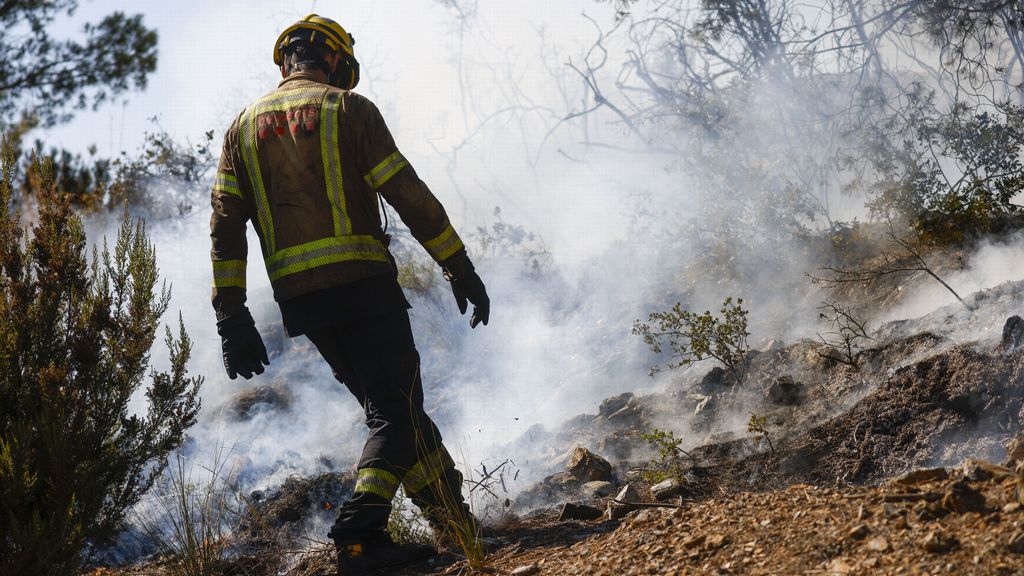
At least twelve people have died in wildfires raging across southern Spain, according to regional authorities and emergency services. The fires, which have spread rapidly due to extreme heat and strong winds, have forced thousands to evacuate their homes in Andalusia and Murcia. The death toll, initially reported as six, has since risen as rescuers continue to search for victims in burned-out vehicles and remote areas.
The Spanish government declared a state of emergency in several municipalities on Tuesday, citing the “unprecedented scale” of the blazes. Firefighters, supported by aerial units, are working around the clock to contain the flames, which have consumed large areas of forest and farmland. Local officials described the situation as “critical,” with some communities still cut off from aid due to blocked roads.
Casualties and Survivors
Emergency services confirmed the deaths of twelve individuals, including at least three families found in vehicles charred by the flames. “We are still recovering bodies from the wreckage,” said a spokesperson for the Andalusian Civil Protection Agency. “The intensity of the fire made it impossible for some residents to escape.”
Among the victims were two children, according to a statement from the Murcia regional government. The exact cause of the fires remains under investigation, though preliminary reports suggest they were sparked by lightning strikes and human activity. The Red Cross has established temporary shelters for thousands of displaced families, many of whom lost their homes in the inferno.
Government Response and Emergency Measures
The Spanish Interior Ministry has deployed thousands of firefighters, 500 vehicles, and 40 air tankers to the affected regions. Prime Minister Pedro Sánchez announced additional funding for disaster relief, including financial aid for affected farmers and businesses. “This is a national crisis, and we are mobilizing all available resources to protect lives and livelihoods,” Sánchez said in a televised address.
Local authorities have also issued evacuation orders for 15 towns, with some residents relocating to nearby cities like Seville and Málaga. The European Union has pledged support, with the European Commission’s Civil Protection and Emergency Response Coordination Centre (ERCC) coordinating with Spanish authorities to assess the need for further assistance.
Climate Context and Long-Term Concerns
The wildfires come amid a record-breaking heatwave sweeping across southern Europe, with temperatures in Andalusia reaching 42°C (108°F) in early July. Scientists have linked the increased frequency of such extreme weather events to climate change, warning that prolonged droughts and higher temperatures will exacerbate fire risks in the region.
The current blazes have reignited debates about forest management policies and the need for greater investment in early warning systems.
What’s Next? Official Updates and Community Impact
Authorities plan to hold a press conference on Thursday to provide a detailed update on the death toll and recovery efforts. The National Meteorological Agency has issued a red alert for wildfires in southern Spain through July 10, urging residents to avoid outdoor activities and report any signs of smoke or fire.
For those affected, the path to recovery remains uncertain. Many families are facing significant financial losses, with some estimating damages exceeding. Nonprofits and international aid groups are mobilizing to provide food, water, and medical supplies to displaced communities.
As the region grapples with the aftermath, the focus remains on saving lives and preventing further destruction. “This is a moment of immense tragedy, but also resilience,” said a local community leader. “We will rebuild, but the scars of this fire will linger for years.”
Read more about the wildfires in southern Spain and their impact on local communities. Stay tuned for updates from official sources, including the Spanish Ministry of the Interior and the European Commission’s ERCC. Share this article to raise awareness about the ongoing crisis and the urgent need for global climate action.