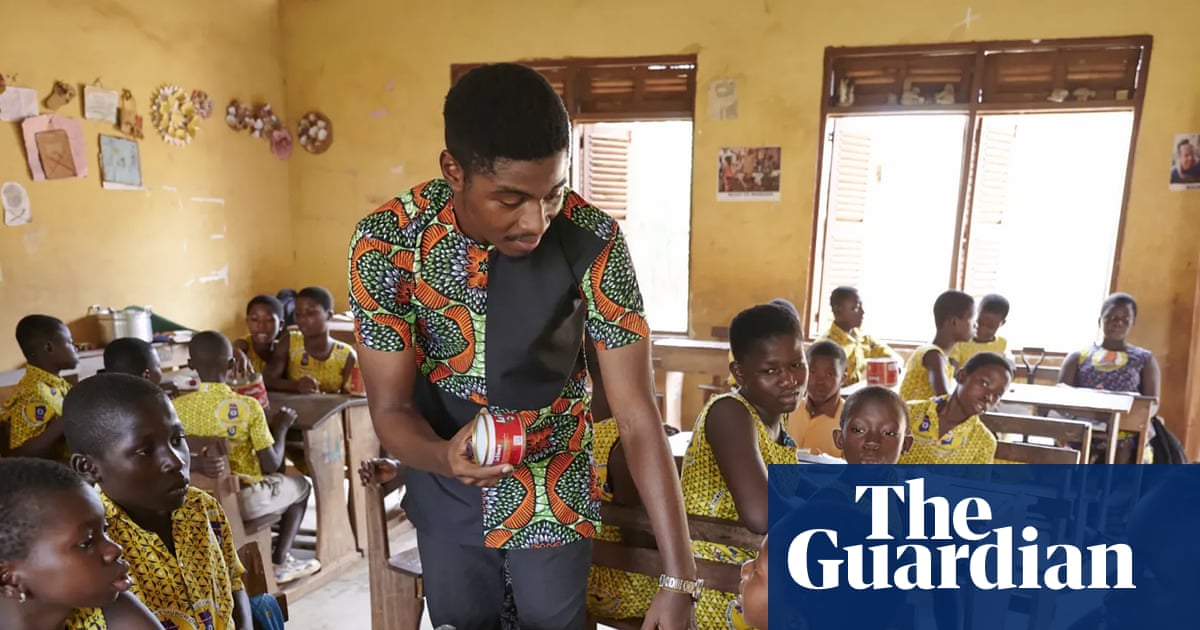
Developing nations are currently allocating significantly more of their national budgets to servicing foreign debt than to funding education, according to recent findings from the United Nations Educational, Scientific and Cultural Organization (UNESCO). In 113 developing countries, debt repayment has overtaken education spending, a trend that threatens long-term human capital development and disproportionately impacts school-aged children in the world’s most vulnerable economies.
This fiscal imbalance highlights a growing tension between international financial obligations and the domestic necessity of investing in public schooling. With global aid for education projected to decline by as much as 30% in the coming years, many countries find themselves in a position where they must prioritize interest payments to creditors over the fundamental rights of their students to access quality learning environments, as detailed in the latest UNESCO global education monitoring research.
The Scale of the Fiscal Imbalance
The data reveals that the burden of debt is not distributed equally, with the most severe impacts concentrated in sub-Saharan Africa. In this region, nations are spending on average 3.6 times more on debt servicing than on their entire education budgets. This disparity forces governments to make difficult choices, often resulting in deferred infrastructure projects, reduced teacher training, and limited access to educational materials for millions of students.

According to the World Bank’s International Debt Statistics, the cost of borrowing for many low-income countries has risen sharply due to global interest rate fluctuations and currency depreciation. When a country’s debt-to-GDP ratio increases, the interest payments on existing loans consume a larger portion of the national budget, effectively crowding out essential social spending. In 18 specific countries, the expenditure on debt servicing is at least five times higher than their investment in education, leaving these governments with minimal fiscal space to address urgent learning gaps.
Why Education Funding is at Risk
The decline in external support further compounds the domestic budget crisis. As international aid flows for education face a potential contraction of up to 30%, the reliance on domestic funding becomes even more critical. However, when a significant percentage of tax revenue is diverted to satisfy international creditors, the ability of states to sustain public services diminishes rapidly.
The International Monetary Fund (IMF) has frequently noted that high debt service costs can lead to “austerity-like” conditions in social sectors. For a developing nation, this means that even when a government intends to improve enrollment rates or literacy outcomes, the liquidity required to implement these policies is tied up in servicing foreign obligations. This creates a cycle where the lack of investment in education hampers economic growth, which in turn makes future debt repayment even more difficult.
The Long-Term Socioeconomic Impact
The redirection of funds away from classrooms has immediate and long-term consequences. UNESCO emphasizes that the current trend risks creating a “lost generation” in countries where the youth population is growing but the educational infrastructure is stagnating. When debt repayment takes precedence, the quality of education suffers through overcrowded classrooms, a shortage of qualified educators, and inadequate digital resources.
The United Nations Children’s Fund (UNICEF) has consistently advocated for debt relief mechanisms that would allow developing nations to redirect interest payments toward social sectors. Without a structured approach to debt restructuring—such as the G20 Common Framework—many of these 113 countries may face decades of stunted human development. The economic cost of this under-investment is high, as a lack of education directly correlates with lower future labor productivity and reduced national competitiveness in the global market.
Next Steps in Global Debt Policy
The issue of debt-for-education swaps and broader debt relief remains a central topic for upcoming international summits, including the next scheduled meetings of the World Bank and IMF Spring Meetings. These forums serve as the primary venue for discussing potential policy shifts that could alleviate the fiscal pressure on highly indebted countries.

As international organizations continue to monitor these developments, the focus will remain on whether creditors and sovereign borrowers can reach agreements that protect essential social spending. We encourage our readers to share their thoughts or experiences regarding these economic challenges in the comments section below, as we continue to track the intersections of global finance and human rights.