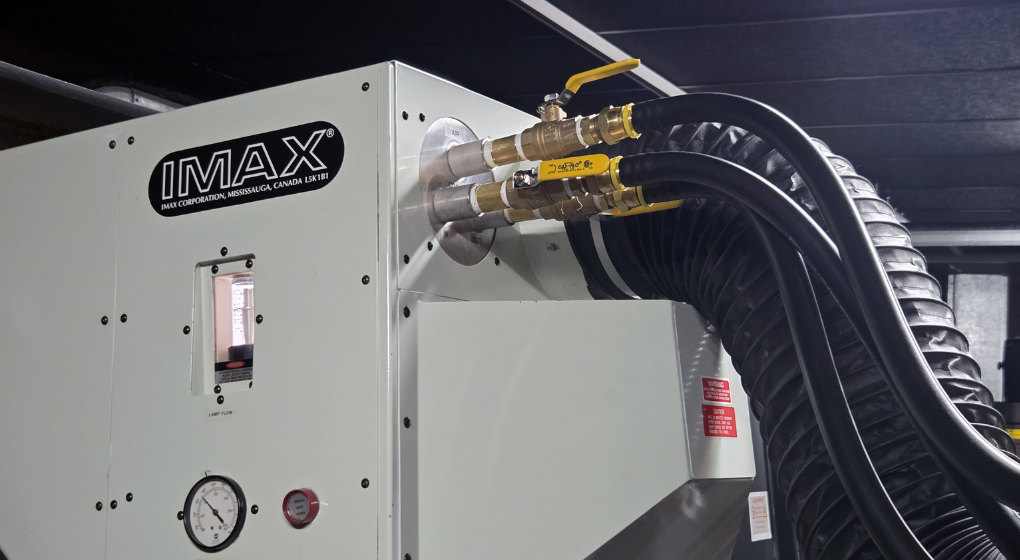
Kinepolis Brussels is set to host its first-ever screening in IMAX 70mm, a move that marks a significant technical milestone for the Belgian cinema complex. This format, widely regarded in the film industry for its massive scale and superior image clarity, utilizes high-resolution 70mm film stock projected through specialized IMAX equipment. While Kinepolis has long operated as a major hub for large-format cinema in Europe, the introduction of 70mm projection capabilities distinguishes the Brussels location as one of the few venues globally equipped to handle this specific, labor-intensive film format.
The transition to IMAX 70mm represents a shift toward a more traditional, high-fidelity celluloid experience that has seen a resurgence among directors who prioritize physical film over digital projection. According to technical specifications maintained by IMAX Corporation, the 70mm format offers a resolution and aspect ratio that far exceeds standard digital presentation, providing a level of detail that remains the gold standard for large-format cinematography.
Technical Requirements of 70mm IMAX Projection
Operating an IMAX 70mm projector requires specialized infrastructure that differs significantly from modern digital cinema servers. The process involves physical film reels that can weigh several hundred kilograms and require precise handling by trained projectionists. Because of the complexity involved in threading and maintaining these systems, only a select group of cinemas worldwide, often referred to as “true” IMAX venues, maintain the hardware necessary for this format.

The installation of this equipment at Kinepolis Brussels aligns with an industry trend where major theater chains are investing in premium large-format (PLF) experiences to draw audiences back to physical theaters. As reported by industry analysts at BoxOffice Pro, the demand for high-end exhibition formats has grown as consumers increasingly seek out “eventized” viewing experiences that cannot be replicated in a home environment.
Expanding the Premium Large-Format Landscape
The move in Brussels occurs within a broader European context of cinema modernization. Across France and the Benelux region, exhibitors are competing to upgrade their facilities with advanced projection and sound technologies. For instance, the Pathé circuit has been actively expanding its footprint in areas like Drôme-Ardèche, where the Pathé Valence recently opened its own IMAX-equipped auditorium to serve regional demand. These investments typically focus on dual-laser 4K projection or, in rarer cases, the restoration of 70mm capability to accommodate specific blockbuster releases that are filmed with high-resolution analog cameras.

The distinction between these formats is often a point of interest for cinephiles. While digital IMAX provides a consistent, high-contrast image, the 70mm analog format is prized for its organic texture and depth. Venues that offer both, or that transition to the 70mm standard, often see significant spikes in ticket sales for major releases that are distributed in the format, such as those directed by Christopher Nolan, who has been a vocal proponent of the 70mm medium.
What This Means for Belgian Cinema Audiences
For the average viewer in Brussels, the introduction of 70mm IMAX means access to the highest possible technical standards of film reproduction currently available in the commercial market. The format is particularly effective for films shot with IMAX-certified cameras, which utilize a larger sensor size to capture more visual information than standard cameras. When projected on a massive IMAX screen, this results in an image that is both sharper and more immersive.
As Kinepolis prepares for its inaugural 70mm screenings, the focus remains on the logistical coordination required to source and transport the oversized film prints. These prints are often shipped in specialized, climate-controlled containers to ensure the integrity of the film stock. Interested patrons should monitor the official Kinepolis ticketing portal for scheduling announcements, as 70mm screenings are typically limited to select windows and specific, high-profile titles.
The cinema industry continues to evolve, and the return to 70mm film is a testament to the enduring appeal of the physical medium. Future developments regarding showtimes and specific film titles will be updated on the official Kinepolis website as they are confirmed by the studio and exhibition partners. Readers are encouraged to check the venue’s site regularly for updates on upcoming special screenings and to join the conversation regarding the evolution of large-format cinema in Belgium.