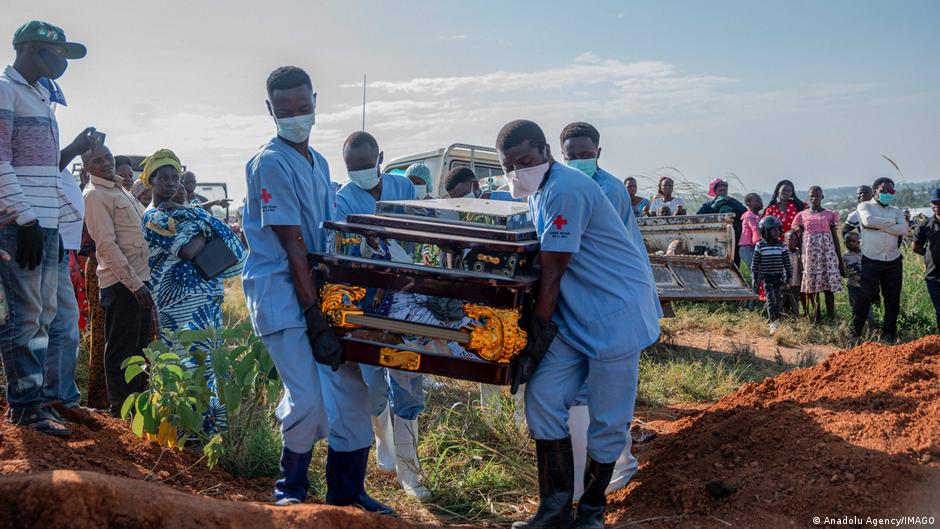
The Ebola epidemic in the Democratic Republic of the Congo (DRC) continues to escalate, with health authorities reporting over 600 deaths as the virus spreads at a rate notably faster than in previous outbreaks. As of the most recent data verified by international health monitors, the death toll has reached 625, highlighting the severe challenges in containing the transmission within the North Kivu and Ituri provinces. This rapid progression has strained regional medical resources and prompted urgent calls for enhanced containment strategies from the World Health Organization (WHO).
Managing this health crisis has become increasingly complex due to a combination of regional instability and operational hurdles. Local health workers, who serve as the frontline defense against the virus, have recently staged protests citing issues with compensation and working conditions. These labor disputes have further complicated the delivery of essential services, including vaccination campaigns and the monitoring of potential contacts, which are critical to breaking the chain of transmission in affected communities.
Factors Driving the Rapid Spread
The current outbreak is characterized by a velocity of transmission that has outpaced historical data from prior regional health crises. Epidemiologists point to several intersecting factors, including the high mobility of populations in the eastern DRC, which facilitates the movement of the virus across porous borders and into densely populated urban centers. According to the Centers for Disease Control and Prevention (CDC), Ebola is transmitted through direct contact with the blood, secretions, or other bodily fluids of infected people, as well as surfaces contaminated with these fluids.
The persistence of the virus in this region is also linked to deeply rooted community distrust and cultural practices surrounding burial rites. Despite extensive public health outreach, traditional ceremonies that involve direct contact with the deceased remain a significant vector for transmission. Public health officials are working to balance the implementation of safe and dignified burial protocols with respect for local customs, though the process remains slow in many rural areas.
Challenges in the Healthcare Response
The effectiveness of the response effort is currently hindered by significant logistical and personnel-related barriers. Reports from the field indicate that local responders have participated in demonstrations to highlight the lack of consistent payment for those working in high-risk zones. When essential staff are diverted by industrial action, the continuity of care—such as managing isolation units and tracking the contacts of confirmed cases—is inevitably compromised.
Financial and material support from the international community remains a cornerstone of the response, yet the logistical reality of operating in conflict-affected areas continues to impede progress. The United Nations Children’s Fund (UNICEF) and other humanitarian partners have emphasized that while medical tools like the rVSV-ZEBOV vaccine are available, their deployment requires a stable and secure environment to be fully effective.
Monitoring the Epidemic Trajectory
For observers and public health professionals, the trajectory of this outbreak serves as a critical case study in the difficulties of managing infectious diseases in volatile settings. The transition from 600 to 625 confirmed deaths in a short period underscores the persistent risk of further expansion. Continuous surveillance and transparent reporting are the primary tools used by the WHO Regional Office for Africa to adjust strategy in real-time.
As the situation evolves, the focus remains on strengthening community engagement to ensure that testing, treatment, and vaccination efforts are accepted by the public. The next major checkpoint for the international response will be the publication of updated epidemiological bulletins from the DRC Ministry of Health, which provide the essential data points needed to assess whether intervention strategies are beginning to flatten the transmission curve.
The international health community continues to monitor these updates closely. Readers interested in following the progress of the response are encouraged to consult official portals for the most accurate and up-to-date information regarding health advisories and containment progress. We welcome your thoughts and perspectives on these developments in the comments section below.