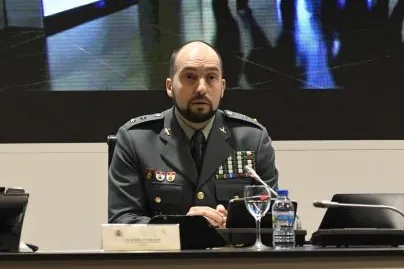
The judge presiding over the “Koldo case” and the Spanish Anticorruption Prosecutor’s Office have reached an agreement to ensure that Lieutenant Colonel Antonio Balas of the Central Operational Unit (UCO) of the Civil Guard remains in charge of the ongoing investigation, despite his recent professional promotion. The decision, formalized in a written request to the leadership of the unit, emphasizes the necessity of maintaining continuity in a high-profile inquiry involving alleged corruption in the procurement of medical supplies during the COVID-19 pandemic.
The “Koldo case,” named after Koldo García Izaguirre, a former advisor to the then-Minister of Transport José Luis Ábalos, involves an alleged criminal network that purportedly profited from public contracts for masks and protective equipment. According to judicial records, the investigation has reached a complex stage where the specific knowledge of the lead investigator is considered essential for the integrity and efficiency of the legal proceedings.
Judicial Oversight and Investigative Continuity
The request submitted to the UCO command underscores that Lieutenant Colonel Balas has played a “relevant role” in the development of the case since its inception. By formalizing this request, the investigating magistrate and the Anticorruption Prosecutor’s Office seek to bypass standard administrative rotation or reassignment protocols that would typically follow a promotion within the Civil Guard hierarchy. Judicial authorities argue that removing the lead officer at this juncture could jeopardize the progress of the inquiry, which involves a vast volume of documents, financial tracking, and witness testimony.
Under the Spanish Code of Criminal Procedure, the judge has broad authority to request the collaboration of law enforcement agencies to ensure the success of an investigation. This intervention is a strategic measure to prevent the loss of momentum in a case that has drawn significant national attention due to the involvement of high-ranking officials and public contractors.
Background of the Koldo Case
The investigation centers on allegations of bribery, influence peddling, and money laundering linked to contracts awarded by the Ministry of Transport and other public bodies during the 2020 state of alarm. The National Court (Audiencia Nacional), which holds jurisdiction over the case, has been examining how the criminal organization allegedly secured lucrative government contracts through irregular channels. The UCO, acting as the judicial police, has been responsible for executing search warrants, analyzing intercepted communications, and tracing the flow of funds through various offshore and domestic accounts.
The persistence of the current investigative team is seen as a safeguard against the risks of information silos or the dilution of expertise that can occur during the transfer of complex financial crime files. The Anticorruption Prosecutor’s Office has maintained that the continuity of the lead investigator is a matter of procedural necessity rather than administrative preference.
Implications for the Ongoing Probe
For the legal teams involved and the public, the decision signals a commitment to bringing the investigation to a conclusion without the delays typically associated with internal personnel changes. The UCO, a specialized unit renowned for tackling organized crime and corruption, remains the primary engine of evidence gathering in this case. By keeping Lieutenant Colonel Balas at the helm, the judiciary aims to ensure that the evidentiary chain remains secure and that the narrative of the alleged criminal activities is presented coherently during future trial phases.
While promotions within the Civil Guard are governed by internal regulations, the judiciary’s intervention highlights the primacy of judicial needs in criminal investigations. This arrangement is not without precedent in cases of extreme complexity, where the specific expertise of an officer is deemed inseparable from the case file itself.
Next Steps in the Proceedings
The investigation remains ongoing under the supervision of the Central Court of Instruction No. 2 of the National Court. Future developments will likely involve the analysis of additional documentation seized during recent raids and the scheduling of further witness statements. Official updates regarding the status of the investigation and any new indictments will be published through the General Council of the Judiciary (CGPJ) portal or the official press communications office of the National Court.
As the legal process continues, stakeholders are advised to monitor official court filings for verified information regarding hearing dates and procedural motions. Comments and discussion on the progress of the investigation remain active in legal and political spheres across Spain.