
When a vehicle is involved in a collision, the physical integrity of a child safety seat is often compromised even if the damage remains invisible to the naked eye. In many jurisdictions, including Germany, insurers are increasingly required to cover the cost of replacing these seats after an accident, regardless of whether there is visible external damage. This policy is rooted in the recommendation from leading safety organizations and manufacturers that child seats should be retired following any significant impact to ensure the continued protection of the child.
Understanding Safety Standards and Material Fatigue
Child safety seats are engineered with specialized plastics and impact-absorbing materials designed to deform during a crash to dissipate energy. Once these materials have undergone the stress of a collision, their structural integrity can be permanently altered. According to the ADAC (Allgemeiner Deutscher Automobil-Club), even minor accidents can cause hairline fractures or internal material fatigue that are not detectable through a visual inspection. Because the seat’s ability to protect a child in a subsequent accident is no longer guaranteed, replacing the unit is considered a standard safety necessity rather than an optional upgrade.
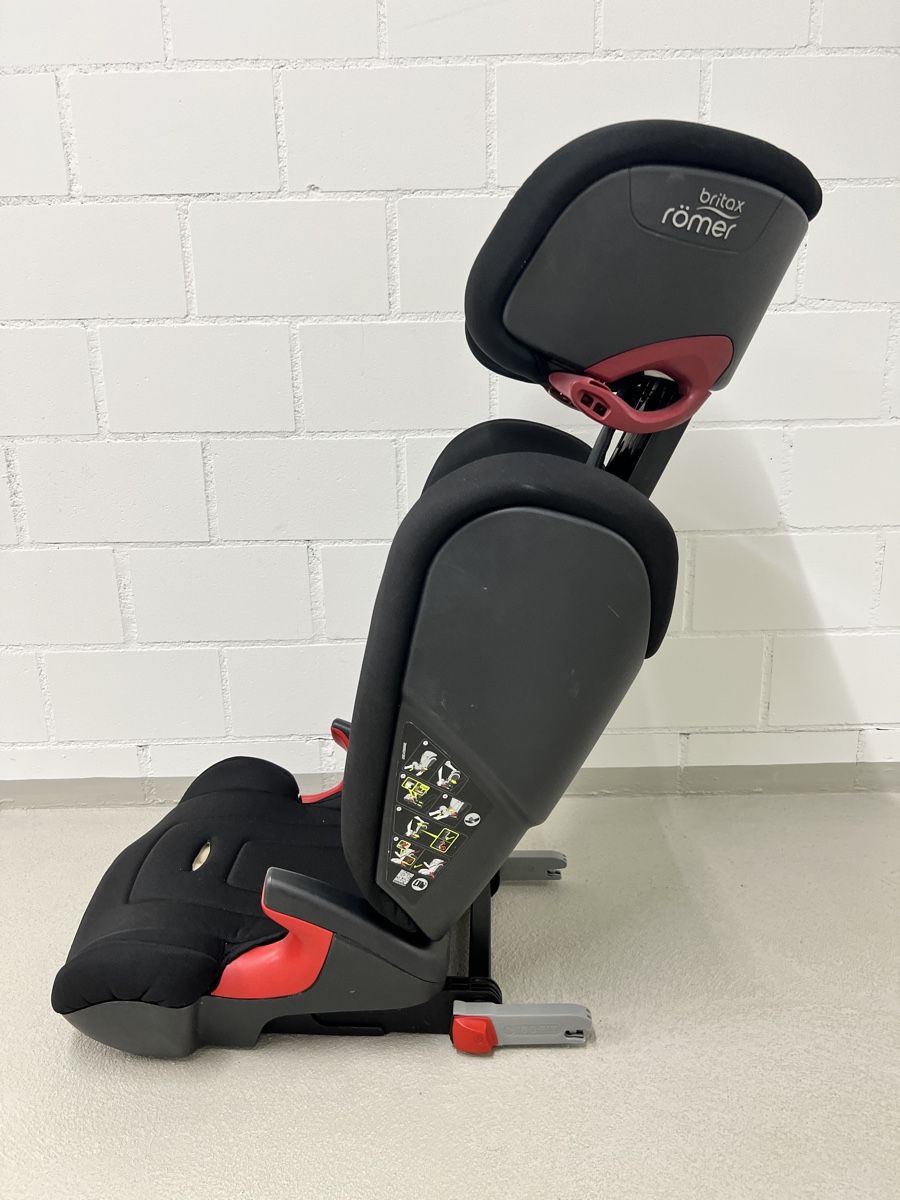
From an insurance perspective, the cost of a replacement seat is typically classified as part of the property damage claim resulting from the accident. If the policyholder is not at fault, the opposing party’s liability insurance is generally expected to cover the full replacement cost. Disputes occasionally arise when insurers question the severity of the impact, but the prevailing industry consensus—supported by manufacturers such as Britax Römer and Maxi-Cosi—is that the manufacturer’s own safety guidelines take precedence in determining the necessity of replacement.
The Legal and Insurance Framework
The obligation to replace a seat is often supported by civil liability principles in German tort law, specifically under the provisions of the German Civil Code (BGB) regarding compensation for damages. As outlined by the BGB Section 249, the party liable for an accident is responsible for restoring the victim to the position they would have been in had the accident not occurred. In the context of child safety, this includes providing a functional, safe restraint system.
Insurance providers generally advise policyholders to document the accident thoroughly, including taking photographs of the child seat in the vehicle and retaining the purchase receipt or a record of the seat’s model and age. If an insurer refuses to cover the replacement, experts recommend providing the insurer with the manufacturer’s specific manual, which typically contains a clear directive regarding post-accident use. In most cases, the presence of these explicit safety instructions in the official product documentation is sufficient to secure reimbursement.
Practical Steps for Policyholders
For parents and guardians involved in a traffic incident, the immediate priority is ensuring the child is safe, but the following steps are vital for managing the insurance claim process:
- Do not reuse the seat: Even if the seat appears intact, do not use it again after a crash.
- Document everything: Take photos of the vehicle damage and the positioning of the child seat at the time of the accident.
- Consult the manual: Check the manufacturer’s guidelines. Most brands, such as those listed in the German Federal Ministry for Digital and Transport safety resources, explicitly state that a seat must be replaced after any accident.
- Submit a formal claim: When filing the report with the insurance company, explicitly list the child seat as a damaged item. Include the cost of a new, comparable model.
If an insurer remains resistant, policyholders can point to the established industry standard that safety equipment must function at 100% capacity. Because “invisible” damage risks a catastrophic failure in a future collision, the cost of a new seat is considered a direct, foreseeable consequence of the initial accident.
Looking Ahead: Regulatory Updates and Safety Trends
As vehicle safety technology evolves, the integration of smart sensors and more complex restraint systems may further clarify these insurance obligations. Consumers are encouraged to monitor updates from the Stiftung Warentest, which frequently reviews child seat safety and provides updated guidance on accident-related replacements. These reports serve as authoritative references for both consumers and insurance adjusters when evaluating damage claims.

The next major update regarding road safety standards in the European Union is expected to follow the periodic review of the UN Regulation No. 129 (i-Size), which governs the approval of child restraint systems. Readers seeking further clarification on their specific policy coverage are encouraged to contact their insurance provider directly or consult with a legal advisor specializing in traffic law. We invite our readers to share their experiences or questions in the comments section below as we continue to monitor these developments in consumer protection and insurance policy.