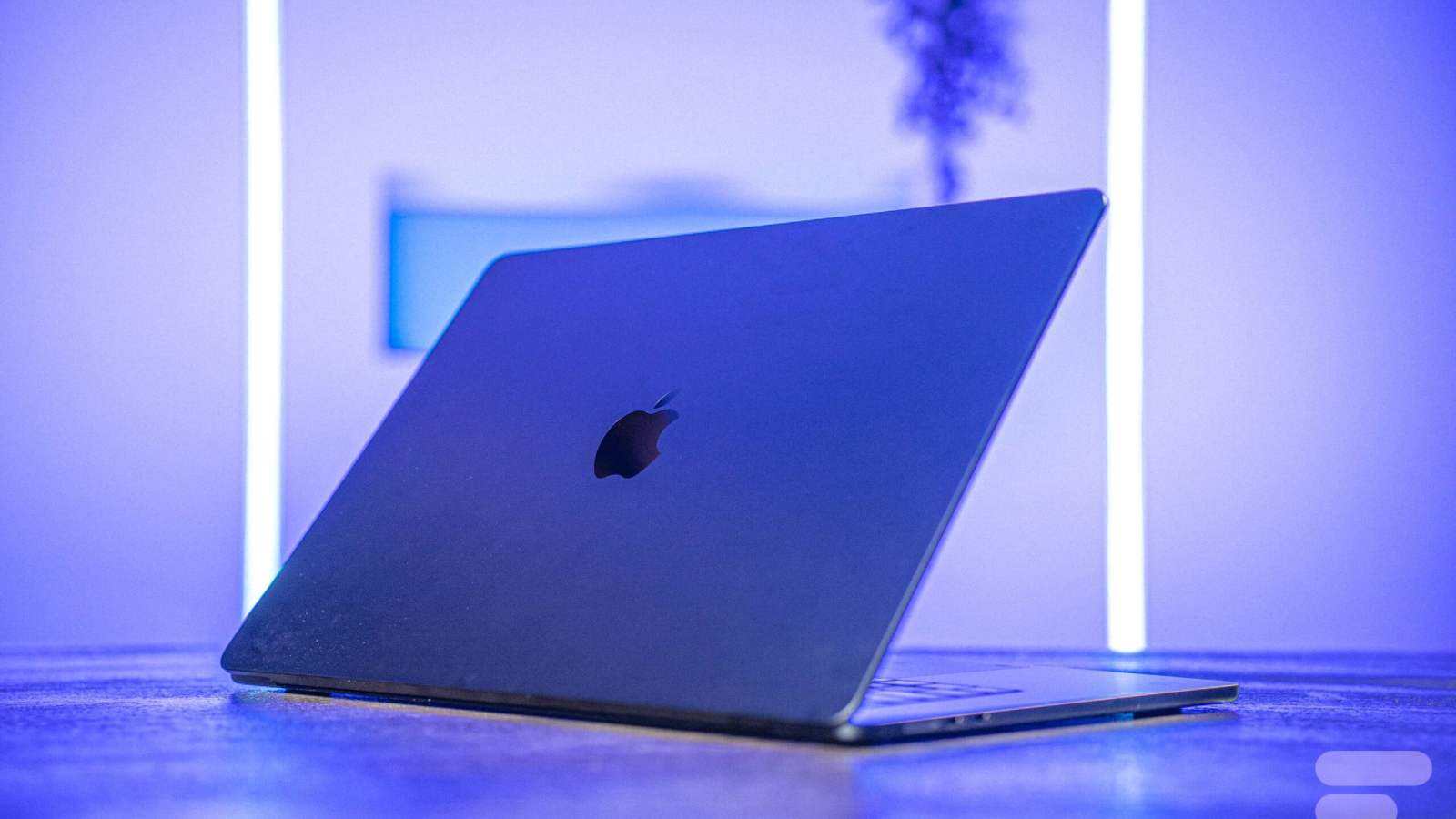
As Apple continues to adjust its pricing strategy across global markets, consumers are increasingly turning to the secondary electronics market to secure high-end hardware without the premium cost of brand-new devices. The rising cost of flagship products, such as the MacBook Air and iPad Pro, has shifted consumer interest toward professional-grade refurbished equipment, with platforms like Back Market emerging as a primary alternative for those seeking to mitigate the impact of Apple’s pricing tiers.
For many users, the decision to purchase refurbished stems from a desire to access Apple’s ecosystem while avoiding the depreciation associated with new hardware. According to market data from the International Data Corporation (IDC), the global market for refurbished smartphones and tablets continues to grow as consumers weigh the longevity of premium silicon against rising retail prices. This trend is particularly evident among students and professionals who prioritize the performance of Apple’s custom silicon—such as the M-series chips—over the novelty of the latest retail packaging.
Mobility and Performance in the MacBook Air Lineup
The MacBook Air remains a benchmark for portable computing, largely due to the efficiency of Apple’s silicon. Since the transition from Intel-based processors to the M1, M2, and M3 chips, the performance-per-watt ratio has redefined expectations for thin-and-light laptops. For a buyer on the secondary market, a refurbished MacBook Air often represents the most cost-effective entry point into macOS, offering hardware that remains highly capable for professional workflows several years after its initial release.
Verified benchmarks from sources like Geekbench consistently show that even base-model M1 MacBook Airs outperform many contemporary mid-range Windows laptops in single-core tasks. Because these machines lack moving parts like cooling fans in the base model, they offer a durability advantage in the second-hand market, as there is less mechanical wear to consider compared to older, fan-cooled designs. When purchasing from a professional refurbisher, buyers typically receive a device that has undergone battery health checks, ensuring the portability that defines the “Air” branding is not compromised by a degraded lithium-ion cell.
iPad Pro vs. iPad Air: The Silicon Convergence
A frequent point of debate for potential buyers is the narrowing performance gap between the iPad Pro and the iPad Air. With both lines now utilizing Apple’s high-performance M-series chips, the differentiation has shifted from raw processing power to display technology and peripheral compatibility. For instance, the inclusion of ProMotion (120Hz refresh rates) and Mini-LED or Tandem OLED displays in the Pro models provides a distinct visual advantage for creative professionals, while the iPad Air serves as a more accessible alternative for general productivity.
Choosing between these models on the secondary market requires an understanding of one’s specific needs. A refurbished iPad Pro from a previous generation often costs less than a brand-new iPad Air, yet it may offer superior screen technology and quad-speaker arrays. According to Apple’s official support documentation, both lines support the latest iPadOS features, ensuring that software longevity remains high regardless of which tier of tablet a consumer selects.
The Refurbished Market and Consumer Risk Mitigation
The primary barrier to entry for many second-hand shoppers has historically been the uncertainty regarding device condition. Platforms like Back Market have addressed this by implementing standardized grading systems and offering warranties that mimic retail protections. Unlike private-party marketplaces, professional refurbishing services typically include a mandatory 12-month warranty, as noted in their respective terms of service, which provides a layer of security for high-value purchases.
This institutionalized approach to refurbishing has transformed the consumer perception of “used” electronics. By conducting rigorous diagnostic testing—covering everything from port functionality to sensor calibration—these companies provide a product that is functionally indistinguishable from new units for the average user. For those impacted by Apple’s retail pricing adjustments, this model offers a sustainable and financially prudent path to owning high-end technology. As the industry moves toward more circular economic practices, the role of these platforms is expected to expand, providing a stable alternative to the annual cycle of new hardware releases.
The next major checkpoint for consumers monitoring these trends will be the upcoming earnings reports from major consumer electronics manufacturers, which often reveal shifts in shipment volumes and pricing strategies for the next fiscal year. Readers interested in the latest developments in tech hardware are encouraged to share their experiences with refurbished devices in the comments section below.