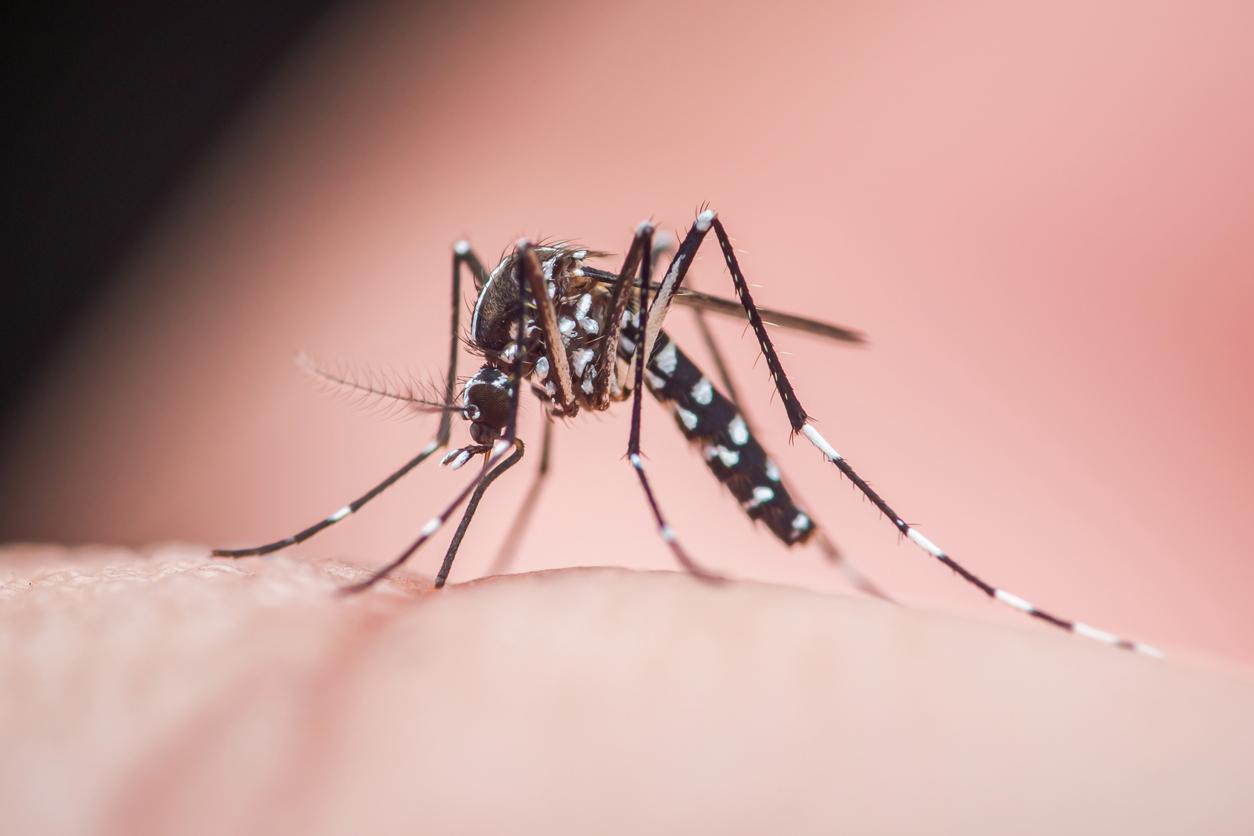
The northward expansion of the Aedes albopictus mosquito, commonly known as the tiger mosquito, has significantly increased the risk of autochthonous dengue fever transmission across Europe. Public health authorities, including the European Centre for Disease Prevention and Control (ECDC), attribute this shift to two primary drivers: the warming climate, which accelerates mosquito development and viral replication, and the heightened movement of travelers and goods, which facilitates the introduction of the virus into new, receptive environments. As an infectious disease specialist, I observe that while dengue remains primarily a travel-associated illness in European regions, the established presence of these vectors in countries like Italy, France, and Spain creates a growing potential for localized outbreaks.
The Environmental Catalyst: Climate Change and Vector Proliferation
The primary factor driving the expansion of dengue risk in Europe is the changing climatic landscape. Rising average temperatures and milder winters have transformed regions that were once too cold for the Aedes albopictus mosquito into viable habitats. According to the European Centre for Disease Prevention and Control (ECDC), the tiger mosquito is now established in 13 European Union and European Economic Area countries. These insects thrive in warmer conditions, which shorten their incubation periods and allow for more frequent breeding cycles.
Furthermore, the increased frequency of heatwaves across the continent has complex impacts on transmission. While extreme heat can sometimes limit mosquito activity, the general trend of warming creates a longer “transmission season,” providing a wider window for the mosquitoes to bite infected travelers and subsequently transmit the virus to local residents. The World Health Organization (WHO) notes that dengue virus replication within the mosquito is temperature-dependent, meaning warmer environments allow the vector to become infectious more quickly after taking a blood meal from a viremic person.
Human Mobility and the Introduction of the Virus
The second pillar of the rising risk is human mobility. Dengue is not endemic to Europe in the same way it is to tropical regions; it requires the introduction of the virus by a human host. As global travel patterns have normalized following the pandemic, the volume of travelers moving between Europe and dengue-endemic regions—such as Southeast Asia, Latin America, and parts of the Caribbean—has surged. When a traveler infected with dengue arrives in an area where Aedes albopictus is present, a local transmission cycle can initiate if the mosquito bites the individual during their viremic phase.
The ECDC’s Communicable Disease Threats Report consistently highlights that the risk of sustained local outbreaks is highest during the summer and early autumn, coinciding with peak travel seasons and peak mosquito activity. This dynamic necessitates heightened vigilance from clinicians in temperate zones, who may not traditionally consider dengue in their differential diagnosis for patients presenting with sudden fever, rash, and joint pain.
Understanding the Vector: Aedes Albopictus
The tiger mosquito is particularly efficient at colonizing urban and suburban environments. Unlike some other mosquito species, Aedes albopictus is highly adaptable, frequently breeding in small, stagnant water containers found in residential gardens, such as flowerpot saucers, gutters, and discarded tires. This “peridomestic” behavior brings the vector into close and constant contact with human populations.
Preventive strategies at the individual level remain the most effective defense. Public health agencies advise residents and travelers to:
- Eliminate standing water around homes to disrupt mosquito breeding sites.
- Use EPA-registered insect repellents containing DEET, Picaridin, or IR3535.
- Wear long-sleeved clothing during peak mosquito activity hours, typically dawn and dusk.
- Install window and door screens to minimize indoor exposure.
For those interested in tracking the spread, the ECDC provides updated mosquito distribution maps that track the colonization of invasive mosquito species across the continent. These maps are essential tools for local health departments to target vector control efforts, such as the use of larvicides or public awareness campaigns regarding water management.
Public Health Outlook and Next Steps
The medical community is currently focused on enhancing surveillance systems to detect imported cases early and prevent secondary local transmission. The World Health Organization Regional Office for Europe continues to work with member states to strengthen diagnostic capacity and integrated vector management programs. As we move into the height of the summer season, authorities are expected to release updated travel advisories and local health bulletins as surveillance data from the 2024 season is analyzed.
Residents in affected regions are encouraged to monitor local municipal websites for updates on vector control activities. If you have recently traveled to a tropical region and develop symptoms such as high fever, severe headache, or muscle pain, it is vital to consult a healthcare professional and disclose your travel history. Please feel free to share this information with your community to ensure travelers remain informed about these evolving environmental risks.