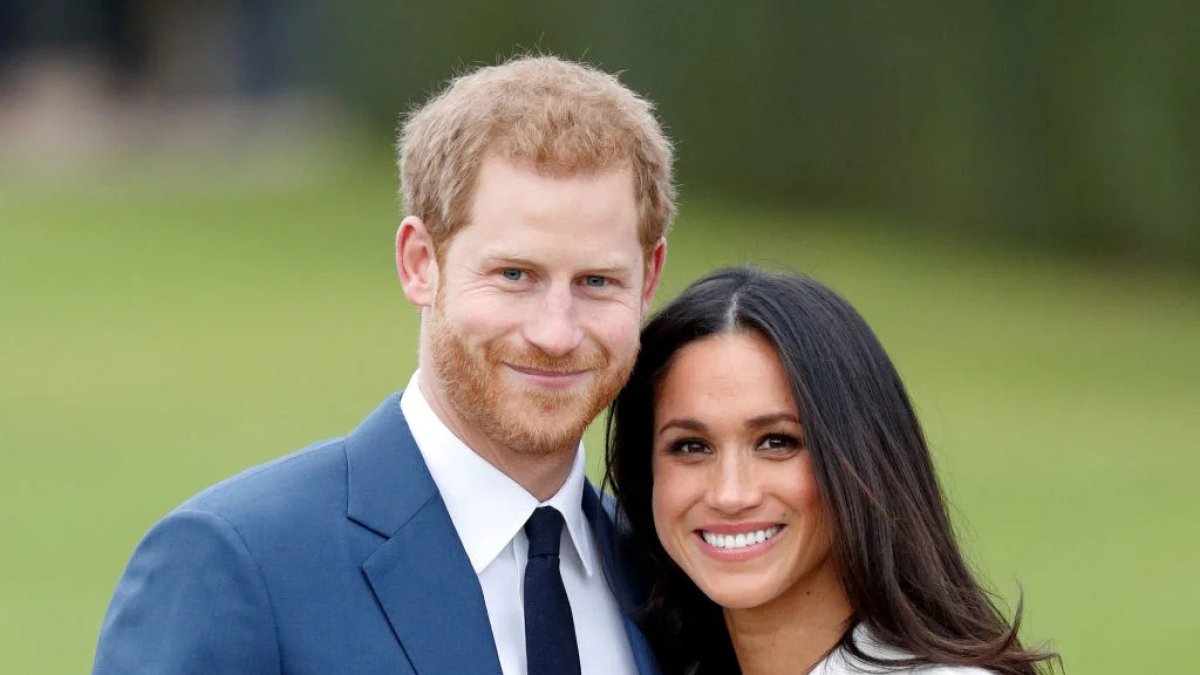
Meghan Markle’s recent appearances in the United Kingdom have drawn significant public and media attention, marking a notable shift in the Duchess of Sussex’s travel patterns. While the Duchess has maintained a residence in California since stepping back from senior royal duties in 2020, her interactions with the U.K. have been infrequent and highly scrutinized. This latest movement, involving travel alongside her children, Prince Archie and Princess Lilibet, has reignited discussions regarding the family’s relationship with the British monarchy and their security arrangements during international visits.
The Duke and Duchess of Sussex transitioned away from their roles as working members of the Royal Family following a period of well-documented tension. Since their relocation to the United States, the couple has established an independent professional life, including the production of media projects and philanthropic endeavors through the Archewell Foundation. According to the official records provided by the Royal Household, the couple’s status remains that of private citizens who retain their titles but no longer represent the Sovereign in an official capacity.
Security and the status of royal protection
A central factor in the family’s limited travel to the United Kingdom has been the ongoing legal dispute regarding their security protection. Prince Harry has been involved in a high-profile legal battle against the U.K. Home Office concerning the decision to strip the couple of automatic, taxpayer-funded police protection while in Britain. In February 2024, the High Court in London ruled against the Duke of Sussex, upholding the decision of the Executive Committee for the Protection of Royalty and Public Figures (RAVEC) to provide protective security on a case-by-case basis rather than as a fixed entitlement.

As detailed in the High Court judgment, the court found no evidence of unfairness in the process, noting that the security arrangements for members of the Royal Family are subject to strict administrative oversight. Prince Harry has publicly expressed concerns that the absence of dedicated security measures poses a significant risk to his family’s safety. This legal impasse has remained a primary obstacle, influencing the frequency and nature of the couple’s visits to the U.K. since their departure.
Public perception and royal relations
The dynamic between the Sussexes and the wider Royal Family has been characterized by periods of public distance, particularly following the publication of Prince Harry’s memoir, Spare, and the couple’s 2021 interview with Oprah Winfrey. Despite these challenges, reports from the BBC indicate that private communication, while limited, has continued on significant family occasions. The Duchess of Sussex has not joined her husband on every trip to the U.K. in recent years, with Prince Harry often traveling alone for specific events, such as the funeral of Queen Elizabeth II in 2022 or the coronation of King Charles III in 2023.

For observers of the monarchy, the presence of the children in the U.K. represents a meaningful, if complex, development. The children, who were born in the United States, have spent limited time with their extended family in Britain. The logistical and emotional complexities of these visits are frequently amplified by the intense media interest that surrounds every movement of the Sussex family, a phenomenon documented extensively by Reuters in their coverage of the family’s transition to private life.
Looking ahead at the next checkpoint
There is currently no official announcement from Archewell or Buckingham Palace regarding future visits or potential meetings between the Sussex family and other members of the Royal Family. The next major public-facing indicator of the relationship will likely come through the official schedule of royal engagements or future legal filings related to Prince Harry’s ongoing security appeals, which remain active within the U.K. court system. As of this writing, the legal team for the Duke of Sussex has indicated their intent to appeal the High Court’s February decision, meaning the matter of state-funded protection will continue to be a subject of judicial review.

We invite our readers to share their perspectives on how the role of the modern monarchy is evolving in the digital age. You can join the conversation in the comments section below or share this article to discuss these developments with your network.