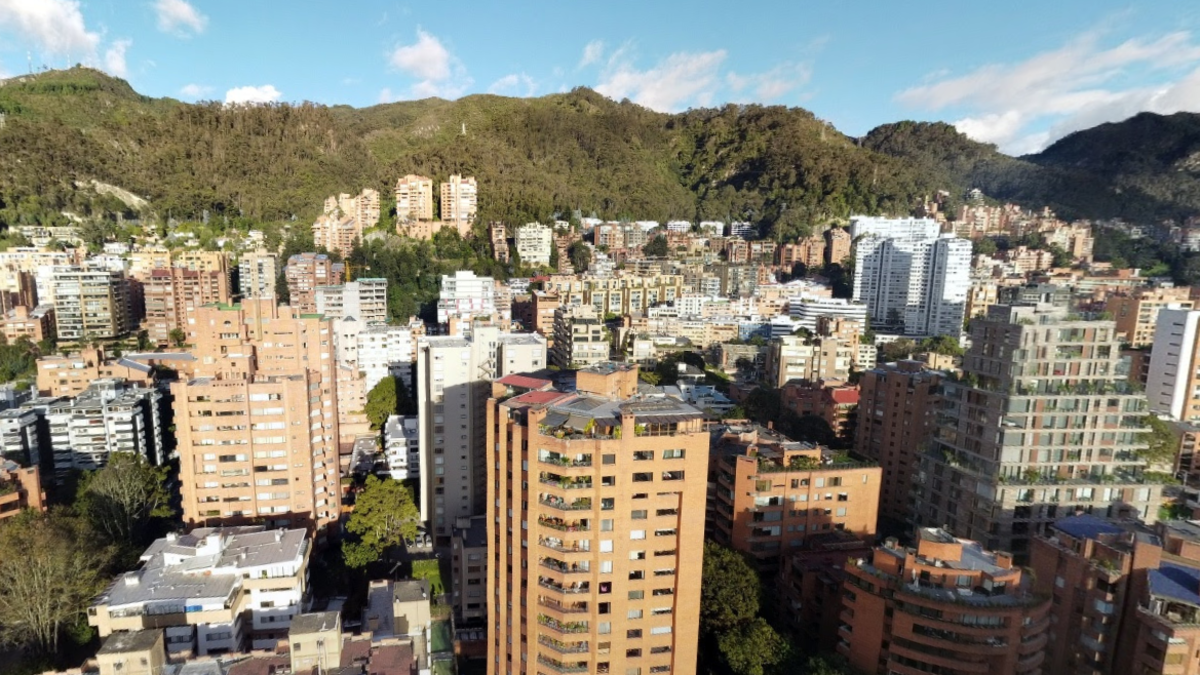
The rapid expansion of short-term rental properties in Bogotá has transformed the city’s real estate landscape, with listings on platforms like Airbnb increasing tenfold over the last eight years. This surge has created a dual reality for the Colombian capital: a lucrative opportunity for property investors and a growing source of tension regarding neighborhood security, housing affordability, and urban regulation. As the market matures, both local authorities and residents are grappling with the long-term implications of a platform-driven rental economy in a city historically defined by long-term residential leases.
According to data tracked by market analysts, the proliferation of units dedicated to short-term stays has fundamentally altered the supply of housing in central and northern districts of Bogotá. While proponents highlight the economic benefits—including increased tourism revenue and higher yields for property owners—critics point to the erosion of community stability and the potential for increased crime in residential buildings. This shift is not unique to Bogotá, but its rapid acceleration in the city highlights a growing friction between digital platforms and traditional urban planning policies.
The Economic Drivers Behind Bogotá’s Rental Boom
The rise of short-term rentals in Bogotá is largely attributed to the high profitability of tourist-facing assets compared to traditional long-term rentals. Investors, seeking to maximize returns, have shifted inventory toward platforms that cater to international travelers and digital nomads. This trend is supported by broader economic shifts in Colombia, where the tourism sector has become a primary pillar of the national economy. The Ministry of Commerce, Industry and Tourism continues to monitor the impact of these platforms, noting that the regulation of such services is essential to balancing the needs of the hospitality industry with those of permanent residents.
In neighborhoods like Chapinero and Usaquén, the conversion of residential apartments into short-term rentals has become common. For property owners, the ability to charge nightly rates that far exceed the monthly rent of a standard contract is an undeniable draw. However, this has led to a tighter market for long-term tenants, who often find themselves priced out of desirable urban centers. The financial incentives driving this change are reinforced by a global trend of “financialization of housing,” where residential units are increasingly treated as liquid financial assets rather than stable living spaces.
Security Concerns and Community Integration
As the number of transient visitors in residential buildings grows, so do reports of security and coexistence issues. Neighbors in high-density sectors have frequently cited concerns regarding the lack of control over building access, noise disturbances, and the potential for illegal activities within short-term units. Because Airbnb and similar platforms operate as intermediaries, building administrators often find it difficult to enforce traditional residential bylaws or conduct the same level of background screening expected in a permanent lease environment.
Public safety in Bogotá remains a complex challenge, and the entry of unvetted individuals into residential complexes has prompted calls for stricter oversight. The Bogotá District Government has faced pressure to implement clearer guidelines that hold platform operators accountable for the conduct of their users. Unlike traditional hotels, which are subject to stringent security protocols and tax regulations, short-term rentals often occupy a legal gray area that complicates enforcement of municipal safety standards.
Regulatory Landscape and Future Outlook
The regulatory path forward remains uncertain. While local authorities have explored various measures to mitigate the negative externalities of short-term rentals, there is no comprehensive national legislation that fully addresses the nuances of the platform economy in Colombia. The Mayor’s Office of Bogotá has periodically emphasized the need for a collaborative approach that includes input from neighborhood associations, tourism bureaus, and digital platforms.

For investors, the immediate future involves navigating these potential regulatory changes. For residents, the focus is on reclaiming the stability of their neighborhoods. As the city moves into the next phase of urban development, the tension between the flexibility offered by digital rental platforms and the necessity of residential security will likely remain a central point of debate in the city council and beyond.
Updates on municipal housing policies and any forthcoming legislative sessions regarding rental regulations will be published through the official portals of the Bogotá District Government. Readers are encouraged to monitor these sources for announcements regarding zoning changes or mandatory registration requirements for short-term rental hosts. Please share your thoughts on how these changes are impacting your local neighborhood in the comments section below.