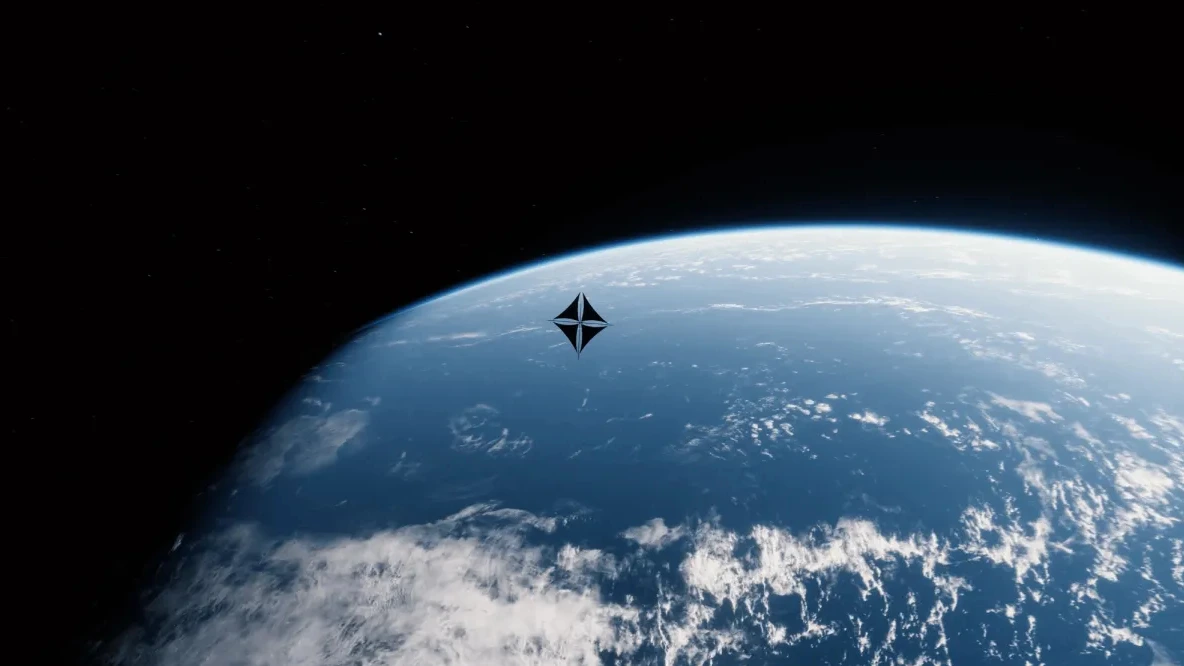
The United States Federal Communications Commission (FCC) has granted approval for the deployment of a controversial orbital mirror satellite, a decision that has sparked significant debate among astronomers and space policy experts regarding the future of the night sky. The authorization allows for the testing of technology designed to reflect sunlight back toward Earth, a move that critics argue could disrupt ground-based astronomical observations and alter the natural environment.
According to official filings from the Federal Communications Commission, the agency’s regulatory oversight of commercial space activities continues to evolve as private entities seek to utilize low-Earth orbit for increasingly experimental purposes. This specific approval marks a milestone in the commercialization of space, moving beyond traditional communication arrays and Earth-observation sensors into the realm of active, light-altering orbital infrastructure.
The Regulatory Pathway for Orbital Mirrors
The FCC’s decision follows a rigorous review process intended to assess the potential interference with existing orbital assets and the impact on the radio frequency spectrum. While the commission’s primary mandate focuses on communication interference, the broader implications of light pollution from satellites have become a focal point of recent FCC space innovation initiatives. By permitting the satellite’s operation, the agency has established a framework for how such “mirror” technology must be managed, including requirements for altitude, orientation, and potential de-orbiting protocols.

The approval process involved consultations with various stakeholders, although public records indicate that the final decision rests on the commission’s determination that the project meets current technical requirements for space debris mitigation and spectrum usage. Critics of the satellite, including various organizations dedicated to preserving dark skies, maintain that the regulatory framework is currently ill-equipped to address the environmental impact of light-reflecting technologies in space.
Astronomical Concerns and Light Pollution
The core of the opposition to the mirror satellite lies in its potential to increase sky brightness. Professional astronomers, who rely on long-exposure imaging to study distant galaxies and transient cosmic events, have expressed concern that the reflected light will create streaks across observational data. This effect is similar to the challenges already posed by large-scale satellite constellations, but with the added complication of intentional light reflection.
According to reports from the International Astronomical Union (IAU), the cumulative effect of increasing objects in orbit significantly complicates the ability of ground-based telescopes to conduct deep-space research. The IAU has repeatedly called for stronger international guidelines, as domestic approvals by agencies like the FCC often precede global consensus on the ethical and environmental standards for the use of space as a resource.
The Future of Commercial Space Innovation
This deployment highlights the tension between the rapidly expanding commercial space industry and the scientific community’s need for a clear, unobstructed view of the cosmos. As private companies look for new ways to monetize orbital assets, regulators face the challenge of balancing innovation with the protection of scientific interests. The FCC’s role in this dynamic is critical, as its decisions often serve as a bellwether for international regulatory trends.

Moving forward, the industry is expected to monitor the satellite’s performance closely. If the project succeeds without creating significant technical or environmental issues, it may pave the way for a new class of orbital reflectors. Conversely, any unforeseen interference or public backlash could lead to more stringent oversight in future licensing rounds. The next significant checkpoint for this project will be the scheduled launch date and subsequent orbital testing phase, which will provide the first real-world data on the satellite’s light-reflecting capabilities.
For those interested in following the progress of this mission, the FCC maintains an Electronic Comment Filing System (ECFS) where public records, technical filings, and subsequent regulatory updates are made available. We encourage our readers to share their thoughts on the balance between space commercialization and the preservation of our night skies in the comments section below.