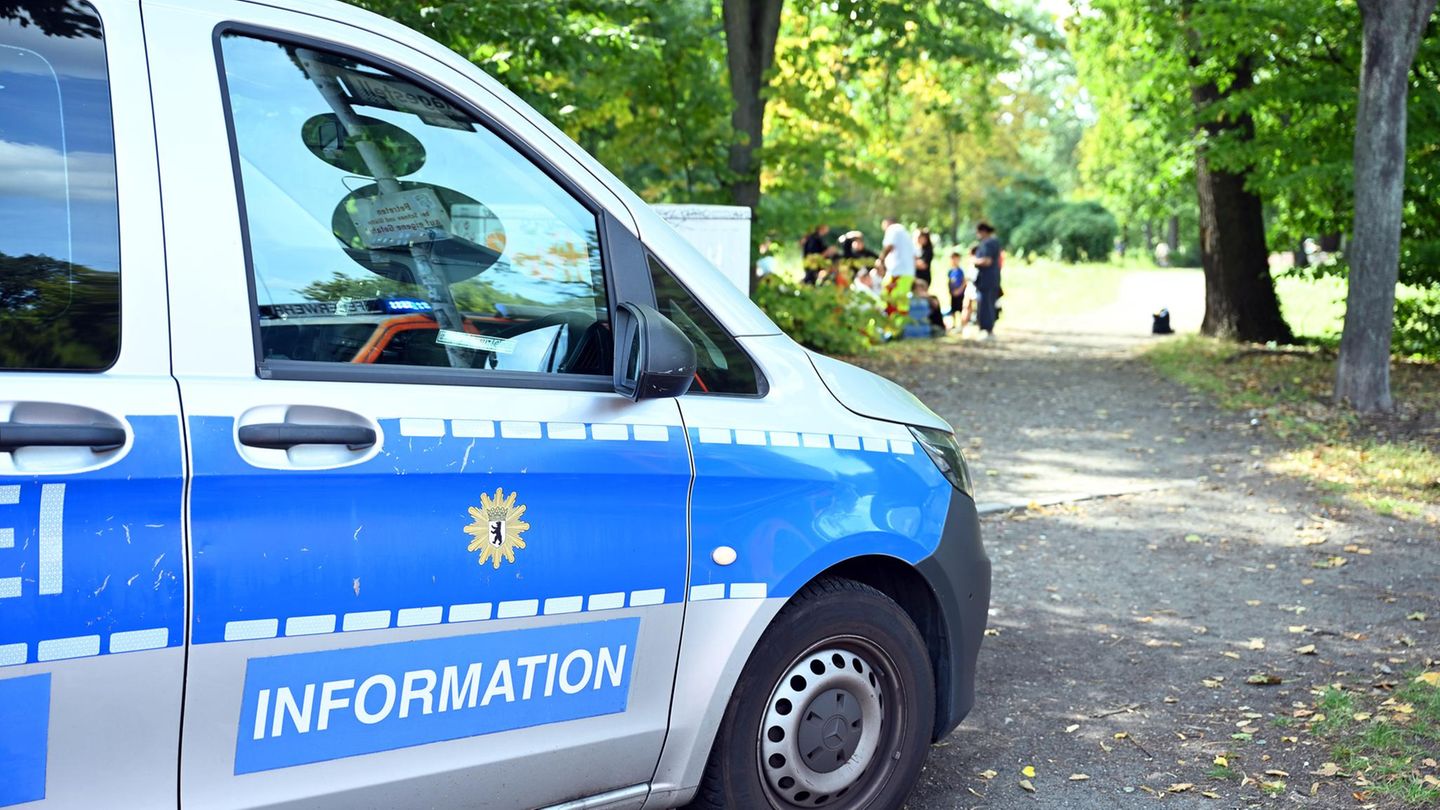
A 24-year-old driver was involved in a serious traffic accident in Arnstadt, Germany, after losing control of his vehicle and colliding with a tree while under the influence of alcohol. Local law enforcement authorities confirmed that both the driver and his 19-year-old passenger sustained injuries during the collision, which necessitated immediate medical intervention. The incident highlights the ongoing public health risks associated with impaired driving, a primary focus of traffic safety regulations enforced by the Thuringian State Police.
The accident occurred under conditions that led investigators to conduct immediate sobriety testing on the driver. According to reports from the local law enforcement and regional news services, preliminary findings indicated a blood alcohol concentration that significantly exceeded legal limits. In Germany, the legal threshold for blood alcohol content while operating a motor vehicle is 0.5 per mill, though this limit is effectively zero for novice drivers under 21 or those within their two-year probationary license period, as mandated by the Road Traffic Act (Straßenverkehrsgesetz).
Emergency Response and Medical Outcomes
Following the impact, emergency services, including paramedics and fire rescue units, arrived at the scene to stabilize the victims. Both the 24-year-old driver and his 19-year-old passenger were transported to a nearby medical facility for treatment. While the specific nature of their injuries has not been disclosed by authorities to protect patient privacy, such high-impact collisions involving stationary objects like trees frequently result in significant trauma, including fractures, internal injuries, and concussions.
The investigation into the circumstances of the crash remains active. Police investigators are currently documenting the scene and gathering evidence to support potential criminal charges. Under the German Criminal Code (Strafgesetzbuch), driving under the influence (Section 316 StGB) is a punishable offense that can lead to substantial fines, the revocation of driving privileges, and in cases involving injury or property damage, imprisonment. The Federal Ministry for Digital and Transport consistently emphasizes that alcohol-related impairment remains one of the leading causes of preventable road fatalities and serious injuries across the country.
Legal Implications for Impaired Driving
For the driver involved in the Arnstadt incident, the road ahead involves significant legal scrutiny. Once a driver is suspected of operating a vehicle while intoxicated, German law enforcement typically mandates a blood draw to provide an accurate forensic baseline for legal proceedings. This evidentiary standard is vital, as it determines whether the incident will be classified as a misdemeanor or a felony, particularly given that injuries to the passenger were involved.
The legal consequences for the 24-year-old may extend beyond simple traffic violations. If the investigation concludes that the driver acted with gross negligence, he could face charges related to “endangering road traffic” (Gefährdung des Straßenverkehrs). These legal frameworks are designed to act as both a deterrent and a mechanism for public safety, ensuring that those who violate the rules of the road are held accountable for the resulting harm to themselves and others.
Public Health Perspective on Road Safety
From a medical and public health standpoint, the Arnstadt accident serves as a reminder of the physiological effects of alcohol on driving ability. Even at lower levels of intoxication, alcohol impairs reaction time, coordination, and the ability to process spatial information—critical faculties required to navigate complex road environments safely. As a physician, I have observed the devastating impacts of such incidents in clinical settings; the physical and psychological recovery from high-speed vehicular accidents is often a long and arduous process for both the survivors and their families.
Authorities continue to urge residents to utilize alternative transportation methods, such as public transit or ride-sharing services, when alcohol consumption is planned. In the state of Thuringia, local police departments frequently conduct targeted traffic safety campaigns to raise awareness about the dangers of impaired driving. Further updates regarding the legal status of the driver and the recovery progress of the individuals involved are expected to be released by the Thuringian Police Department as the investigation concludes.
Readers interested in monitoring the situation or reviewing local safety advisories are encouraged to check official bulletins from the regional police press office. We invite our readers to share their thoughts on the effectiveness of current traffic safety education programs in the comments section below.