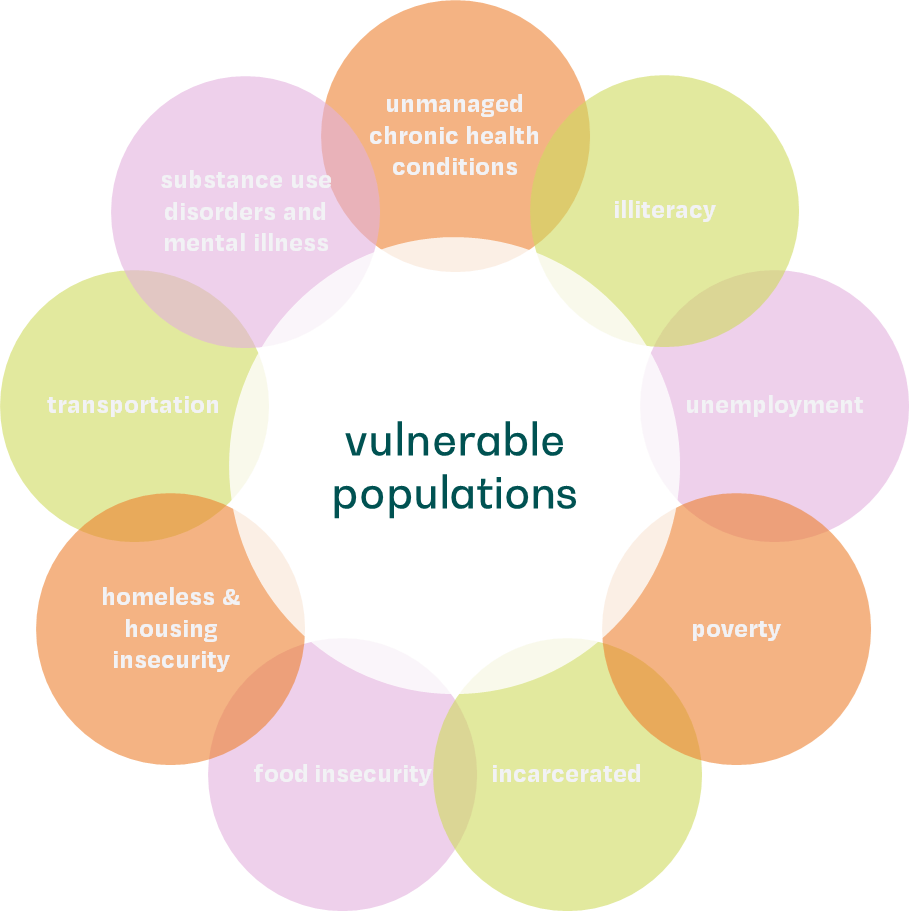
By the end of this year, every municipal district in South Korea is scheduled to host an integrated Center for Children’s, Elderly, and Disabled Foodservice Management. This government-led initiative aims to provide professional sanitation, safety, and nutritional oversight to small-scale facilities that currently lack dedicated, in-house nutritionists. The expansion ensures that vulnerable populations, regardless of the size or location of their care facility, receive standardized dietary support and hygiene monitoring.
Expanding Nutritional Oversight to Vulnerable Populations
The Ministry of Food and Drug Safety (MFDS) has been spearheading the establishment of these centers to bridge the gap in food safety management for facilities with fewer than 50 people. Historically, small daycare centers, nursing homes, and disability support facilities were not legally required to hire a dedicated nutritionist. This often left meal preparation and menu planning to staff members who lacked formal training in food science or public health, creating potential risks for cross-contamination and nutritional imbalances.
According to the Ministry of Food and Drug Safety, the expansion of these regional centers is designed to standardize the quality of meals across all local districts. The centers provide a range of essential services, including menu development tailored to specific age and health needs, mandatory hygiene inspections for kitchen staff, and education on food allergen management. By consolidating these services at the municipal level, the government intends to ensure that even the smallest facilities can access professional expertise without the financial burden of hiring a full-time nutritionist.
How Integrated Centers Improve Public Health
The primary objective of these centers is to prevent foodborne illnesses and chronic health issues stemming from poor nutrition. For children, the focus is on developmental health and establishing healthy eating habits early in life. For the elderly and individuals with disabilities, the focus shifts toward managing chronic conditions such as diabetes and hypertension through carefully controlled sodium and nutrient levels.
The Food Safety Korea portal, managed by the MFDS, highlights that these integrated management systems allow for real-time monitoring of food safety trends. When a facility is registered with a local center, it undergoes periodic evaluations. This structure creates a feedback loop where potential safety hazards—such as improper cold-chain management or poor ingredient storage—are identified and corrected before they result in a health incident. The integration of these services into all districts is a significant policy shift aimed at achieving uniform health outcomes across both urban and rural regions.
Addressing Resource Gaps in Small Facilities
For facility operators, the support provided by these centers serves as a critical resource. Small-scale providers often operate with limited budgets and staff, making the technical aspects of food safety compliance challenging. The centers act as an extension of the facility’s own staff, providing them with standardized recipes and safety manuals that are scientifically vetted.
The Korean Government’s official policy portal indicates that the final phase of this rollout is targeting the last remaining districts that have yet to establish these support units. The initiative is part of a broader commitment to public health infrastructure, ensuring that the health of vulnerable citizens is not dependent on the resources of their individual care provider, but is instead supported by a robust, state-funded safety net.
Next Steps for Facility Compliance
As the final centers are prepared for opening throughout the remainder of the year, the MFDS is expected to release updated guidelines for facility registration. Operators are encouraged to monitor their local district office announcements for the specific date their area’s center becomes fully operational. For those currently operating without a dedicated nutrition professional, these centers will represent the primary point of contact for all regulatory guidance regarding food safety and nutritional standards.
For ongoing updates on food safety regulations or to check the status of your local center, please consult the official Ministry of Food and Drug Safety website. We welcome your thoughts on how these community-based health initiatives affect your local district—please share your experiences or questions in the comments section below.
Related reading