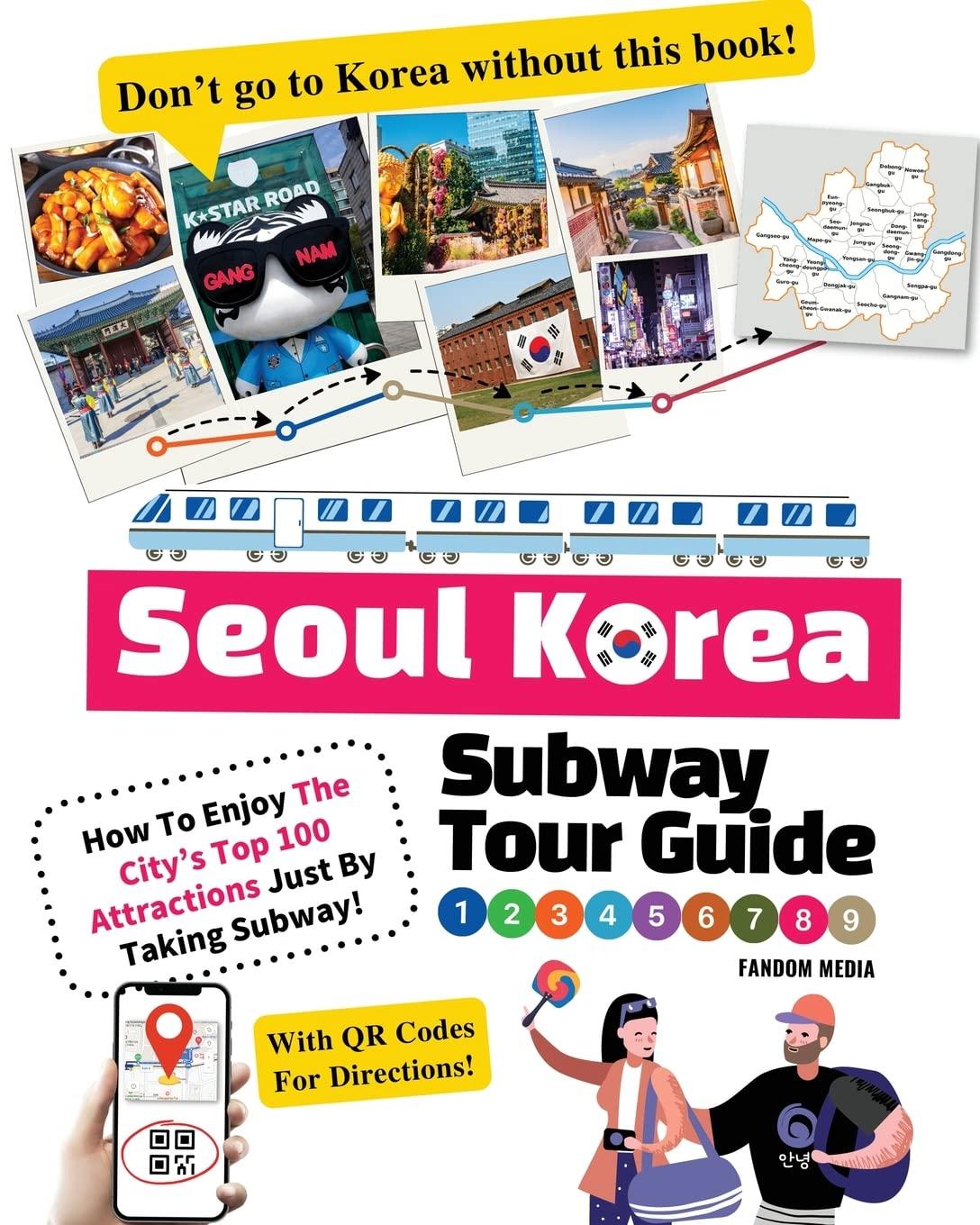
Exploring the historical depth of Seoul is increasingly accessible through the city’s extensive public transportation network, where a single subway transit card serves as the only tool necessary to navigate centuries of heritage. For residents and visitors alike, the Seoul Metropolitan Subway system connects major cultural landmarks, allowing for a structured, affordable, and self-guided approach to uncovering the capital’s past. By utilizing the city’s integrated transit infrastructure, historical enthusiasts can curate monthly excursions that turn routine commutes into educational journeys across the Joseon Dynasty and the modern development of South Korea.
The Seoul subway system, operated primarily by Seoul Metro and Korail, offers a comprehensive map that links directly to key historical sites, including the Five Grand Palaces—Gyeongbokgung, Changdeokgung, Deoksugung, Changgyeonggung, and Gyeonghuigung. According to the Seoul Tourism Organization, most of these sites are within walking distance of major subway interchanges, facilitating a seamless transition from urban transit to heritage exploration. The affordability of this model remains a significant draw; with the standard T-money card system, travelers can maximize their time and budget, focusing their resources on entry fees and guided tours rather than complex logistics.
Strategic Transit for Cultural Exploration
The primary advantage of utilizing the Seoul subway for historical exploration lies in the density of sites clustered around specific lines. Line 3, for instance, provides direct access to Gyeongbokgung Station, which is architecturally designed to reflect the aesthetic of the nearby palace. As noted by the Cultural Heritage Administration of Korea, the integration of public transit with national heritage sites is a core component of the city’s urban planning, ensuring that historical preservation is balanced with accessibility for the general public.

For those planning a monthly itinerary, focusing on a single subway line or a specific district can prevent the fatigue associated with city travel. The area surrounding Anguk Station on Line 3 serves as a gateway to Bukchon Hanok Village and various traditional craft museums. By planning trips in advance using official transit maps, travelers can verify current operating hours and any temporary closures, which are frequently updated on the Seoul Metro official website.
Digital Tools and Sustainable Tourism
Modern transit in Seoul is characterized by the T-money system, a rechargeable smart card that functions across buses, subways, and even some taxi services. This digital infrastructure removes the need for physical tickets, allowing for a fluid movement between historical districts. Beyond mere convenience, this approach supports sustainable tourism, reducing the carbon footprint associated with private vehicle use while navigating the dense urban core of the capital.
The Korea Tourism Organization emphasizes that utilizing public transit is the most efficient method for international visitors to engage with local culture. By aligning transit stops with historical landmarks, the city encourages a slower, more deliberate pace of exploration. This method is particularly effective for small groups or friends who wish to conduct monthly outings, as it allows for collaborative planning and shared navigation, turning the journey itself into a social and educational experience.
Practical Planning for Historical Tours
To successfully implement a monthly historical tour, travelers should consider the following logistical steps:
- Verification of Operating Hours: Many palaces and cultural sites in Seoul maintain specific closure days, typically Mondays or Tuesdays. Always cross-reference your travel date with the Cultural Heritage Administration to ensure accessibility.
- Transit Connectivity: Utilize the “Subway Navigation” features within apps like Naver Map or KakaoMap, which provide real-time updates on train arrivals and station exits nearest to specific historical gates.
- Integrated Ticketing: For frequent visitors, the “Royal Palace Pass” allows access to multiple sites at a reduced rate, which can be purchased at the entrances of any of the five major palaces.
The ongoing development of the Seoul subway network continues to improve connectivity to peripheral historical sites that were previously difficult to reach. As the city evolves, the integration of transit and heritage remains a priority for local authorities, ensuring that the history of the Joseon era and the subsequent modernization of the city remain accessible to all. For those interested in upcoming cultural events and exhibition schedules, the Seoul Metropolitan Government provides regular updates on public programs and seasonal heritage festivals.
Future updates regarding subway line expansions or new cultural transit initiatives will be posted on the official government portals as they become available. Readers are encouraged to share their own experiences or tips for navigating Seoul’s historical sites via public transit in the comments section below.
Worth a look