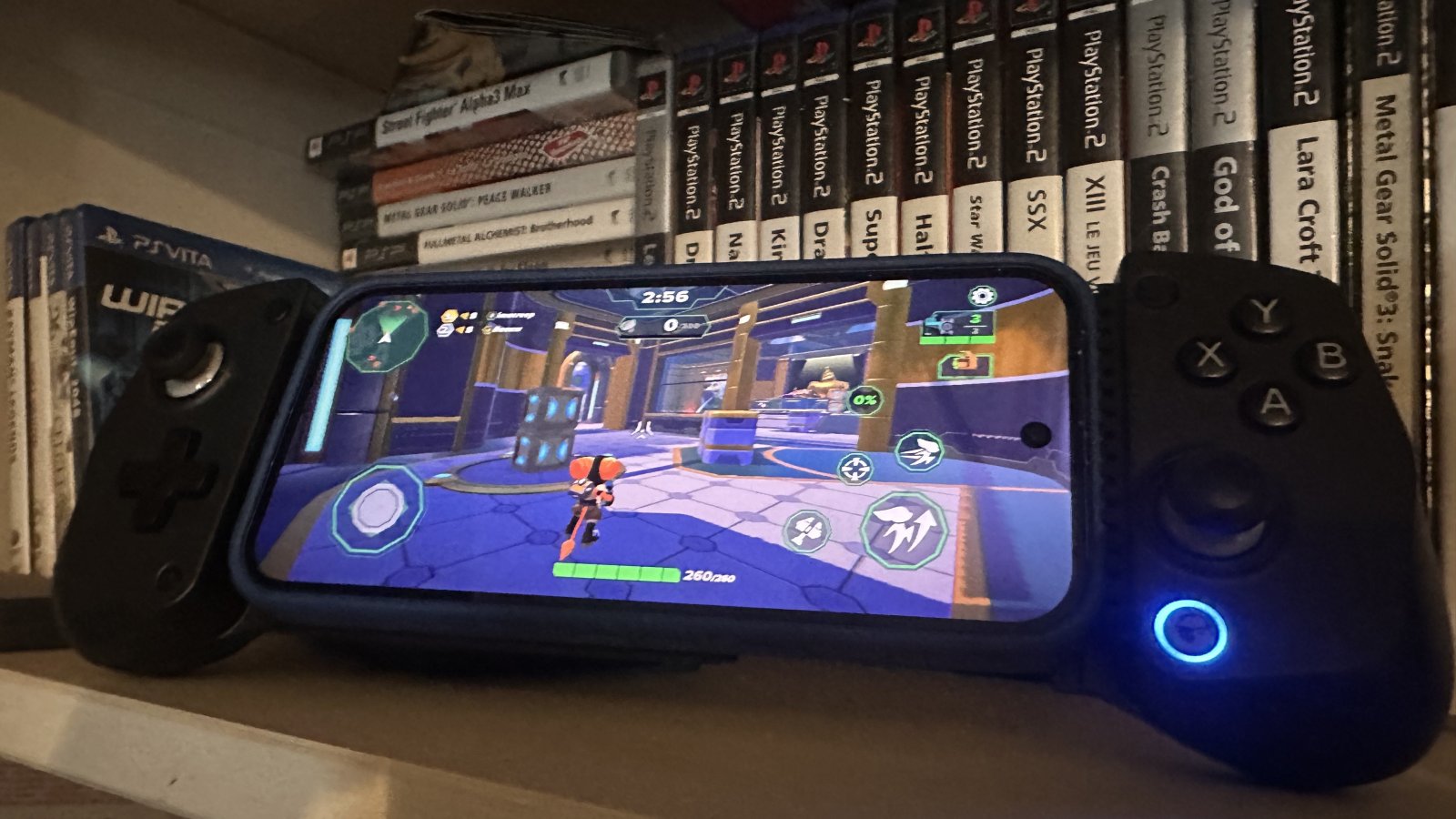
The GameSir X5 Lite, a budget-focused mobile gaming controller priced at approximately €30, has entered the competitive smartphone accessory market with a promise of affordability, but early technical assessments suggest the hardware compromises significantly affect the overall user experience. While the device aims to bridge the gap for casual gamers seeking a dedicated tactile interface, reports indicate that limitations in build quality, latency, and software integration hinder its performance compared to established alternatives in the mobile controller category.
For mobile gaming enthusiasts, the primary appeal of the GameSir X5 Lite lies in its accessible price point, which sits well below the premium tier of mobile peripherals. However, as noted in recent technical evaluations, the device struggles to maintain the precision and responsiveness required for competitive play. The controller utilizes a wired connection, a design choice intended to minimize input lag, yet users have reported inconsistencies in how the unit interfaces with various smartphone operating systems and gaming titles.
Understanding the value proposition of such hardware requires a look at the trade-offs manufacturers make to hit low-cost targets. In the case of the X5 Lite, the hardware design prioritizes portability and cost-reduction, often at the expense of ergonomic comfort and the durability of the analog sticks and buttons. For a comprehensive look at how these devices function, users often turn to official documentation from GameSir, which provides the technical specifications and compatibility lists necessary for informed purchasing decisions.
Hardware Limitations and Build Quality
The physical construction of the GameSir X5 Lite reflects its budget-tier positioning. Critics have pointed to the use of lightweight plastics and a somewhat rigid frame that may not accommodate all smartphone dimensions comfortably, particularly those with bulky protective cases. The tactile feedback of the buttons—specifically the shoulder triggers and action buttons—has been described as “mushy” or lacking the crisp, mechanical click that higher-end controllers offer, which directly impacts the ability to perform rapid, repetitive inputs in fast-paced action or fighting games.
Furthermore, the analog sticks, which are critical for precision movement in 3D environments, have faced scrutiny for their sensitivity curves. Users have reported “dead zones”—areas where the stick does not register input—that are disproportionately large, making fine aiming or subtle movement difficult. These hardware shortcomings are often the result of using lower-cost components that lack the longevity and precision of the Hall Effect sensors found in more expensive, modern mobile controllers.
Software Integration and Performance
Beyond the physical chassis, the software-side experience remains a potential pain point for consumers. The GameSir X5 Lite relies on companion app support for button remapping and firmware updates, a standard practice for the company. However, the reliability of these applications can vary across different Android and iOS versions. Reports indicate that the controller occasionally struggles with persistent connection drops or failure to recognize inputs within specific cloud gaming platforms, such as Xbox Cloud Gaming or NVIDIA GeForce Now, which are primary use cases for these peripherals.

This reliance on software mapping can also introduce unintended latency. While wired connections are theoretically superior to Bluetooth for speed, the translation layer between the controller’s proprietary protocol and the smartphone’s OS can add milliseconds of delay. In competitive environments, this discrepancy can be the difference between a successful maneuver and a failure. Prospective buyers should verify if their specific smartphone model is listed on the manufacturer’s compatibility page to avoid potential driver conflicts.
Market Context and Consumer Alternatives
The mobile gaming controller market is currently saturated with options ranging from €30 to over €100. When evaluating the X5 Lite, consumers are encouraged to weigh the cost savings against the long-term utility of the device. Higher-priced alternatives often include premium features such as adjustable tension sticks, swappable layouts, and more robust software ecosystems that receive frequent, stable updates. According to market data from industry analysts at IDC, the demand for mobile gaming accessories remains high, yet consumer expectations for “plug-and-play” reliability are becoming increasingly stringent as mobile games approach console-level complexity.

Before committing to a purchase, users should consider whether their gaming habits—whether casual emulation or high-stakes competitive play—justify the limitations of a budget device. For those who prioritize performance, the market offers several mid-range options that provide a more balanced ratio of cost to quality. As of the latest product cycle, GameSir continues to iterate on its lineup, and updates regarding firmware patches or newer hardware revisions can typically be found through their official help center.
The next major update for the mobile gaming hardware sector is expected to arrive during the upcoming trade shows and manufacturer announcements scheduled for the next quarter. We will continue to monitor these developments and provide updates as new hardware hits the market. For more in-depth reviews and industry analysis, stay tuned to our technology section and join the conversation in the comments below.