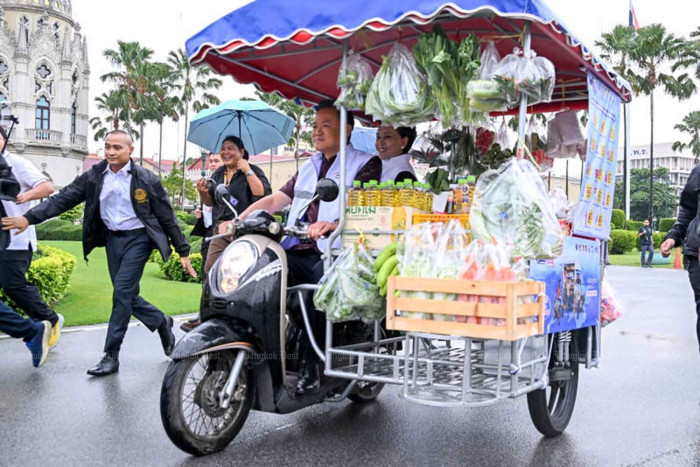
Thailand’s Ministry of Commerce is preparing to launch a national initiative aimed at stabilizing food costs for consumers by introducing ready-to-eat meals priced at 40 baht per dish. The project, which is scheduled for implementation as early as next month, is designed to mitigate the impact of rising living expenses on low-income earners, according to statements from Minister of Commerce Pichai Naripthaphan.
The program seeks to partner with food vendors and retail operators to provide affordable, standardized meal options. By leveraging government-backed supply chain support or cooperative distribution channels, officials aim to ensure that vendors can maintain a profit margin while keeping the retail price at the 40-baht threshold. This initiative follows broader government efforts to manage inflationary pressures on essential goods, as reported by the Thai Government Public Relations Department regarding ongoing cost-of-living reduction measures.
Strategic Framework for Affordable Pricing
The core of the initiative relies on the procurement of raw ingredients at wholesale prices to lower the overhead costs for participating stall owners. According to the Ministry of Commerce, the project will be rolled out in collaboration with both private sector partners and state-run enterprises to ensure a wide geographic reach. The government intends to use these partnerships to subsidize or streamline the logistics of food supplies, allowing vendors to offer a consistent 40-baht price point without compromising food safety standards.
This approach aligns with the ministry’s mandate to monitor the Consumer Price Index (CPI) and provide relief to citizens during periods of economic volatility. By targeting the street food sector, which serves as a primary source of daily meals for a significant portion of the urban workforce, the ministry aims to provide a direct, visible impact on household budgets.
Stakeholders and Implementation Challenges
The success of the 40-baht meal project depends heavily on the participation of small-scale vendors. Concerns have been raised by industry analysts regarding the sustainability of such pricing if raw material costs—specifically cooking oil, rice, and fresh produce—fluctuate sharply. The ministry has indicated that it will establish a monitoring mechanism to track the availability and pricing of these essential items to prevent market distortions.
Furthermore, the initiative is expected to operate alongside existing social welfare programs. Participation for vendors will likely be voluntary, with the government providing incentives such as access to low-cost ingredient markets. Officials have emphasized that the program is intended to complement, rather than replace, the existing market ecosystem. The Ministry of Commerce is expected to release formal guidelines for vendor registration and supply chain integration ahead of the projected launch date, as noted in recent economic policy briefings.
Economic Context and Household Impact
Food security and affordability remain central to Thailand’s domestic economic policy. The 40-baht price target serves as a psychological and practical benchmark for affordability in an environment where the cost of living has faced upward pressure from energy prices and global supply chain shifts. By institutionalizing a low-cost meal option, the government is attempting to provide a floor for essential expenditure.
The project represents a continuation of the government’s “Blue Flag” (Thong Fah) shops, which have long provided subsidized goods to the public. Expanding this model into the prepared food sector marks a shift toward addressing the immediate daily needs of the working population. The Ministry of Commerce plans to conduct an assessment of the program’s effectiveness after the initial rollout period, focusing on vendor participation rates and consumer reach.
Next Steps for the Program
The Ministry of Commerce is scheduled to finalize the operational details for the 40-baht meal initiative throughout the remainder of this month. Potential vendors and interested parties are advised to monitor official updates via the Ministry of Commerce website for information regarding participation requirements and regional launch locations. Further announcements regarding the formal project launch and the list of participating vendors are expected as the implementation date approaches.
The government’s next confirmed checkpoint for this policy involves the official announcement of the supply chain partners and the specific districts where the 40-baht meal program will be piloted. Stakeholders are encouraged to follow official government social media channels for real-time updates as the project moves toward its start date next month. Share your thoughts on how this initiative might affect local food markets in the comments below.
Related reading