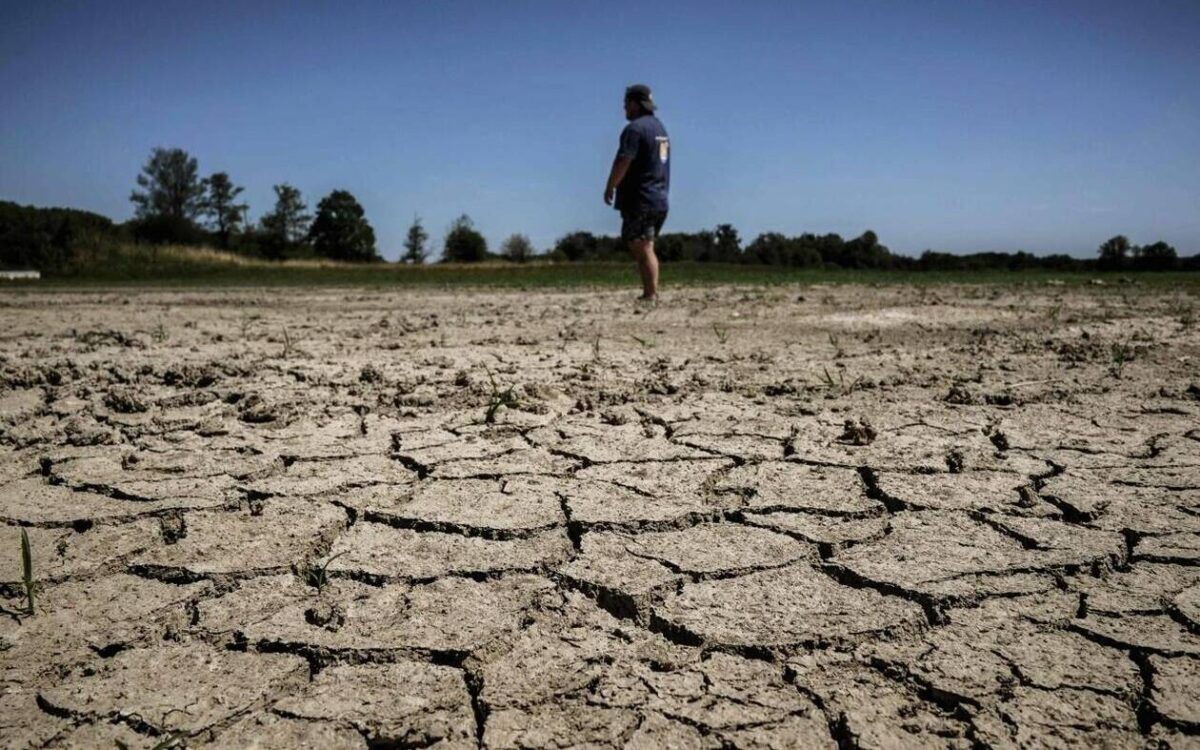
French meteorological authorities have placed twelve departments across the Auvergne-Rhône-Alpes region under a heatwave alert, known as a “vigilance canicule,” following a significant rise in temperatures. This official classification, issued by Météo-France, triggers specific public safety protocols intended to protect vulnerable populations as the region faces sustained high temperatures. Residents in the affected areas are advised to monitor official updates as the heat persists.
Understanding the Heatwave Alert System
The “vigilance canicule” is a tiered warning system managed by Météo-France to alert the public and local authorities to the health risks associated with extreme heat. When a department is placed under this designation, it indicates that temperatures—both during the day and overnight—are expected to remain at levels that pose a risk to human health, particularly for the elderly, children, and those with pre-existing medical conditions. According to the official Météo-France vigilance portal, this status requires local prefectures to activate emergency plans, including the opening of cooling centers and increased monitoring of social services.
The twelve departments now under scrutiny represent a significant portion of the Auvergne-Rhône-Alpes region. The alert serves as a formal notification to local healthcare providers and emergency services to prepare for an uptick in heat-related medical calls, such as dehydration or heat exhaustion. The Santé Publique France agency provides ongoing national health guidelines for managing these episodes, emphasizing the importance of hydration and limiting outdoor physical activity during peak afternoon hours.
Geographic Scope and Public Safety Measures
The heatwave affecting Auvergne-Rhône-Alpes is part of a broader meteorological trend impacting much of Southern and Central Europe. By categorizing these twelve specific departments under a vigilance alert, the government ensures that regional resources are synchronized. The primary goal of this classification is to prevent excess mortality, a strategy refined following previous extreme heat events in France. Authorities frequently remind the public that the “canicule” label is determined not just by the mercury levels, but by the duration of the heat, as consecutive days of high temperatures prevent the human body from recovering during the night.
Residents are encouraged to follow the “gestes barrières” for heat, which include closing shutters during the day, drinking water regularly without waiting for thirst, and staying in cool or air-conditioned environments where possible. For those working outdoors, employers are legally required to provide access to water and, in some cases, adjust working hours to avoid the most intense heat of the day. The French Ministry of Labor maintains specific regulatory frameworks regarding outdoor work during extreme weather events to ensure worker safety.
Next Steps for Residents and Local Authorities
The vigilance status remains subject to change as meteorological models are updated twice daily by Météo-France. Local authorities in the affected departments—including major municipalities like Lyon, Grenoble, and Saint-Étienne—typically communicate specific emergency contact numbers for vulnerable citizens who may require assistance. Residents can check the real-time status of their specific department by visiting the official Météo-France website, which serves as the primary source for all weather-related warnings in France.
As of this report, there have been no modifications to the alert levels, and the current warnings remain in effect until further notice. Citizens are encouraged to remain vigilant, check on elderly neighbors, and stay tuned to local media for any changes in the alert status. We will continue to monitor the situation as the regional authorities provide updates. Please share this information with those in the affected areas to ensure everyone remains informed and safe.
Keep reading