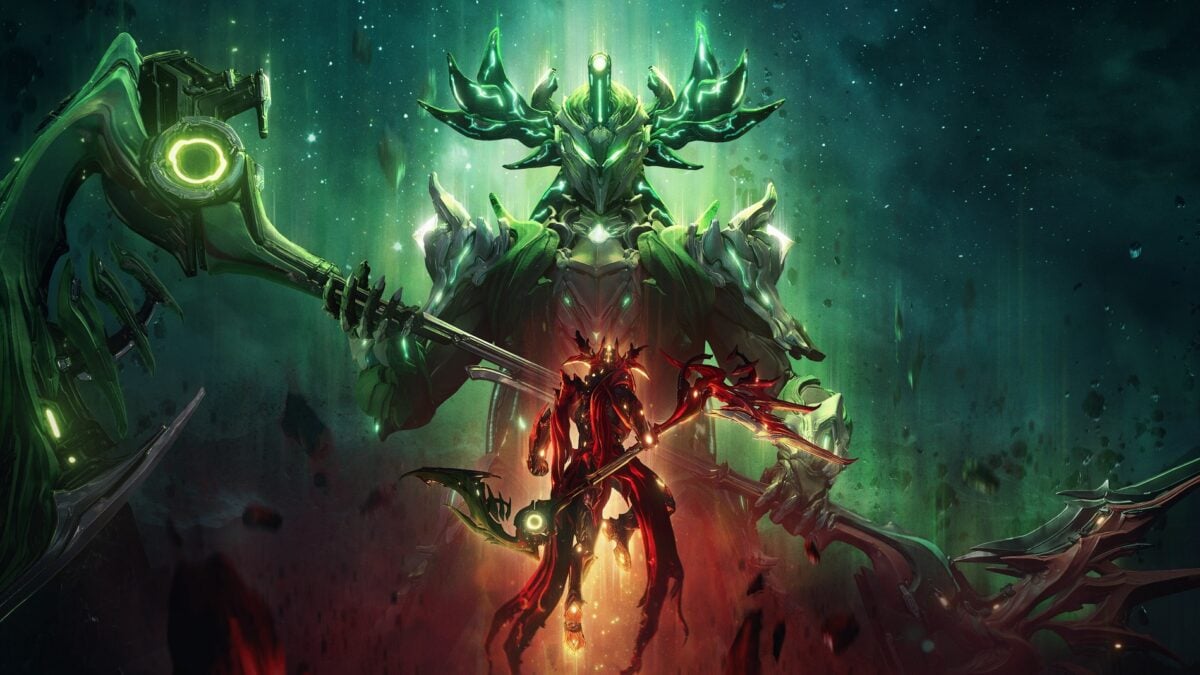
The recent closure of high-profile live service games has reignited a debate regarding the sustainability of the digital-only model, with Steve Sinclair, CEO of Digital Extremes, publicly describing the sudden termination of such projects as “horrible news.” Speaking on the inherent fragility of games that rely on active server support, Sinclair highlighted the industry-wide anxiety surrounding the loss of player agency when developers and publishers decide to shutter a title, effectively removing a product from the ecosystem entirely.
For players of Warframe, a title that has maintained a consistent live presence since 2013, the conversation touches on the existential threat posed by business realities to what many consider “live service art.” According to data from the developer’s official channels, the studio has focused on long-term sustainability to avoid the pitfalls currently facing other major titles in the genre. The sentiment expressed by leadership in the industry reflects a growing concern: when a game is tied to a server, the consumer’s access is often at the mercy of the publisher’s quarterly financial goals rather than the longevity of the community.
The Fragility of Digital Ownership
The primary tension in the live service model lies in the distinction between a product and a service. Unlike traditional physical media, live service games often function as temporary licenses. When a company determines that a game is no longer meeting its internal revenue targets or strategic objectives, the infrastructure required to play that game is typically dismantled. This process renders the software unplayable, a reality that Sinclair noted is “terrifying” for players who have invested years of time and money into these digital worlds.

This volatility has led to increased scrutiny from consumer advocacy groups and legal experts regarding digital storefront policies. As noted by the Electronic Frontier Foundation (EFF), the lack of clear requirements for developers to provide offline modes or server transition plans leaves consumers with little recourse when a service is discontinued. In many jurisdictions, such as the European Union, discussions continue regarding consumer rights in the digital age, though specific mandates forcing companies to keep servers active for legacy titles remain rare at the legislative level.
Industry Perspectives on Sustainability
Digital Extremes has navigated the live service landscape by fostering a direct relationship with its player base, a strategy that has kept Warframe operational for over a decade. The industry-wide challenge, however, remains the pressure to produce constant content updates, which often demands significant capital. When these investments fail to yield a sufficient return on investment (ROI), the resulting shutdowns—often referred to as “sunsetting”—frequently occur with little warning to the user base.
Market analysts often point to the high cost of maintenance as the primary driver for these closures. According to reports from industry trackers like Newzoo, the live service market has become increasingly saturated, making it difficult for new titles to gain the necessary player retention to remain profitable. This environment forces publishers to make difficult decisions regarding their portfolios, often prioritizing newer, potentially higher-growth projects over the maintenance of legacy services.
What Happens Next for Players
As the industry faces this period of contraction, the conversation is shifting toward preservation. Players and developers alike are exploring potential solutions, such as community-hosted servers or “offline patches” that would allow titles to function after official support ends. However, these solutions are often hindered by proprietary code and intellectual property protections held by the publishers.
The next major checkpoint for the industry will likely be the upcoming fiscal disclosures from major publishers, where investors will be looking for guidance on future live service investments. As studios continue to evaluate their portfolios, the tension between business profitability and the preservation of digital art is expected to remain a central theme in gaming discourse. For now, the reliance on centralized servers remains the standard operating procedure for the industry, leaving the future of many titles dependent on the continued financial viability of their parent companies.
We invite our readers to share their thoughts on the evolution of live service gaming. Should there be more stringent regulations regarding the accessibility of games after they are discontinued? Join the conversation in the comments below.
Related reading