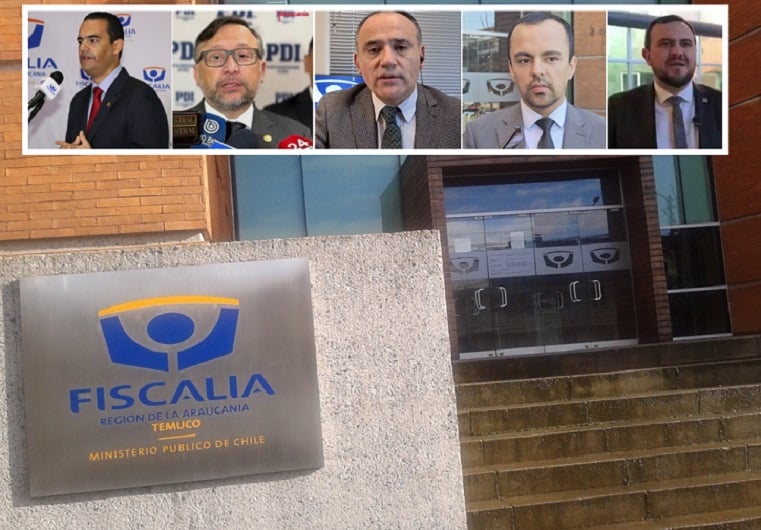
Public confidence in the Chilean judicial system is facing a severe test in the Araucanía region, as high-profile investigations into institutional conduct, corruption allegations, and controversial police operations converge. The integrity of the Regional Prosecutor’s Office of La Araucanía has come under intense scrutiny following the long-term fallout from “Operation Huracán,” the ongoing “Hermosilla” influence-peddling investigation, and questions regarding the management of procedural agreements.
As a physician and health journalist, I often observe that trust is the foundation of any functioning system—whether it is a hospital or a court of law. When that trust is compromised, the social fabric begins to fray. In Chile, these investigations are not merely administrative hurdles; they represent a fundamental challenge to the perceived impartiality of the Public Ministry.
The Legacy of Operation Huracán
The credibility of the investigative process in La Araucanía was significantly damaged by the fallout from “Operation Huracán,” a 2018 case involving allegations of planted evidence and fabricated digital intelligence. According to the Judicial Branch of Chile (PJUD), the operation—which initially targeted members of the Mapuche community for alleged arson and illicit association—collapsed after investigations revealed that police intelligence units had manipulated evidence. The subsequent legal proceedings led to the dismissal and charging of several high-ranking police officials, leaving a lasting mark on the reputation of the local prosecutors who had relied on that data.
The impact of this failure extends beyond the courtroom. It forced a re-evaluation of the relationship between the Public Ministry and investigative police forces. Critics argue that the lack of rigorous oversight during the buildup to the operation allowed for systemic negligence, creating a vacuum of accountability that remains a point of contention for civil rights groups and legal observers today.
The Hermosilla Case and Systemic Influence
While the shadow of past scandals lingers, the contemporary “Hermosilla” case—named after influential lawyer Luis Hermosilla—has introduced new, national-level pressures on local prosecutors. The investigation into leaked audio recordings, which suggested potential influence peddling within the judiciary and the political sphere, has rippled outward, touching various regional jurisdictions, including La Araucanía.
Reports from the Public Ministry of Chile indicate that the scope of the Hermosilla inquiry is broad, examining how private interests may have intersected with official judicial duties. For residents of Araucanía, the concern is whether local prosecutorial decisions have been influenced by the same networks of power currently under investigation in Santiago. The transparency of these processes is now subject to heightened scrutiny by the Chilean Supreme Court and independent oversight bodies.
Procedural Agreements and Institutional Transparency
Beyond specific criminal cases, the management of “procedural agreements”—negotiated settlements between prosecutors and defendants—has become a flashpoint for public debate. Transparency International and local judicial watchdog groups have raised questions about the criteria used to grant these agreements, noting that when they are applied inconsistently, they can foster the perception of a “two-tier” justice system.
The Chamber of Deputies of Chile has held various sessions to discuss the necessity of reforms to the Organic Constitutional Law of the Public Ministry. The objective is to ensure that regional prosecutors operate under stricter guidelines regarding how they enter into agreements and how they disclose those negotiations to the public. Without clear, standardized procedures, the prosecutor’s office remains vulnerable to allegations of political bias or professional misconduct.
What Happens Next
The path forward for the La Araucanía Prosecutor’s Office depends on the outcomes of ongoing administrative and criminal reviews. The next significant checkpoint involves the presentation of evidence in the broader Hermosilla proceedings, which are expected to shed light on the extent of systemic influence. Additionally, the Public Ministry is currently undergoing a process of internal audit to address the structural concerns raised by recent scandals.
For the public, the priority remains access to clear, verified information regarding these investigations. Updates on court filings and official statements from the Office of the National Prosecutor are available through the official portal of the Public Ministry. As these cases continue to develop, the focus will remain on whether these institutional reforms are sufficient to restore the damaged trust of the Chilean public.
What are your thoughts on the current state of judicial accountability in Chile? Share your perspective in the comments section below.
Worth a look