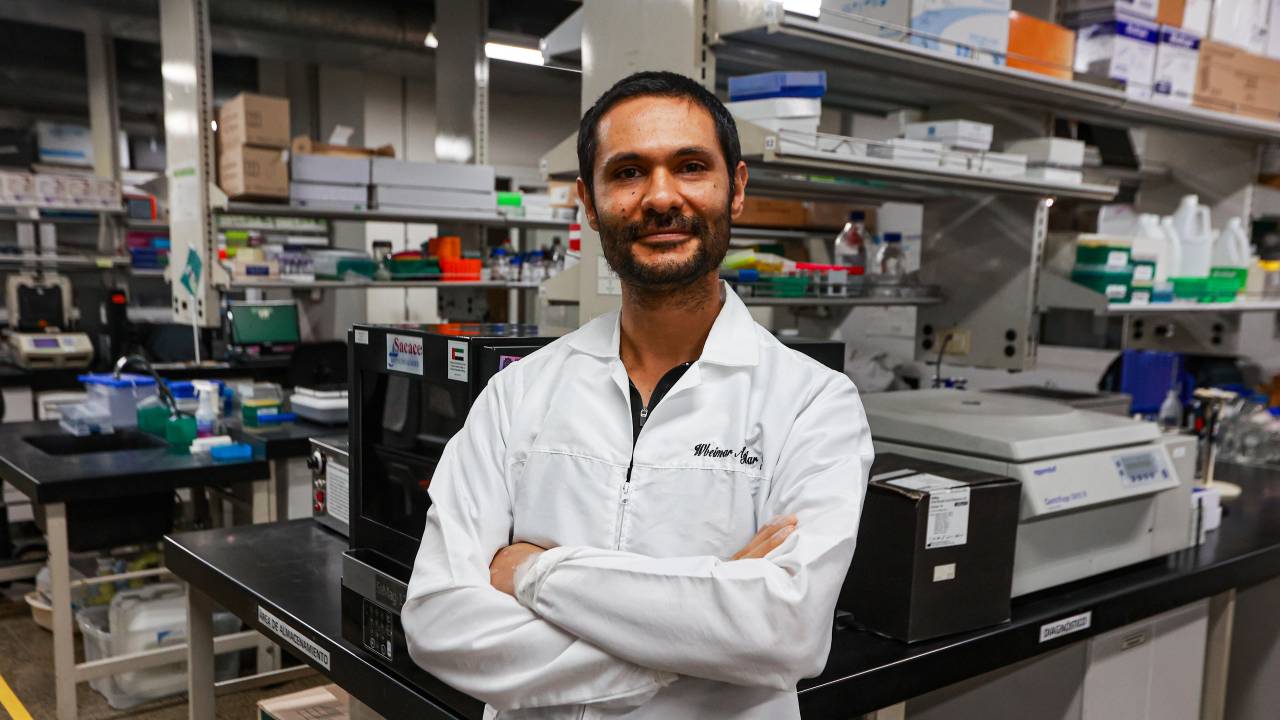
A team of researchers based in Medellín, Colombia, is currently engaged in advanced investigations to address persistent challenges in the management and prevention of the human immunodeficiency virus (HIV). Working primarily through the University of Antioquia, these scientists are focusing on the molecular mechanisms of the virus and the development of potential therapeutic strategies that could alter the landscape of long-term patient care.
The research group, often highlighted for its contribution to the scientific output of the “Paisa” region, operates at the intersection of virology, immunology, and public health. Their work is part of a broader, global effort to address the mechanisms that allow HIV to remain latent within human cells—a primary barrier to achieving a functional cure for the virus. According to the World Health Organization, while antiretroviral therapy (ART) has transformed HIV from a fatal diagnosis into a manageable chronic condition, there is still no widely available cure or vaccine, leaving millions of people worldwide reliant on daily medication.
Molecular Research and the Viral Reservoir
The core of the team’s work centers on the “viral reservoir,” or the population of cells where HIV remains hidden from the immune system and dormant during standard treatment. Because these cells do not actively produce the virus, they are invisible to current medications, which only target actively replicating HIV. If treatment is interrupted, these reservoirs can reactivate, leading to a resurgence of the infection.
By studying the genetic diversity of the virus in local populations, the Medellín-based scientists aim to understand how specific viral mutations contribute to drug resistance and latency. This research is critical for developing “shock and kill” strategies—a therapeutic approach designed to force the hidden virus out of its dormant state so that it can be identified and destroyed by the immune system or targeted by antiretroviral drugs. As documented by the National Institute of Allergy and Infectious Diseases, understanding these latency mechanisms is one of the highest priorities in modern infectious disease research.
Public Health Impact in Colombia
The efforts of these researchers extend beyond the laboratory to address the specific needs of the Colombian population. HIV prevalence in Colombia remains a significant public health concern, with thousands of new cases reported annually. The integration of local clinical data with molecular research allows the team to tailor potential interventions to the specific viral subtypes circulating in the region.
This work is supported by national and international collaborations, ensuring that the findings from the University of Antioquia are benchmarked against global standards. By focusing on both the fundamental science of viral genetics and the practical application of new diagnostics, the group seeks to improve the quality of life for those living with the virus. Current guidelines for HIV management in the country are overseen by the Ministerio de Salud y Protección Social, which coordinates with academic institutions to ensure that clinical practices reflect the latest scientific evidence.
Challenges and Future Directions
Despite the promise of their research, the scientists face the same obstacles as many academic groups working on complex retroviruses: limited funding and the inherent biological complexity of HIV. The virus’s ability to rapidly mutate means that any potential treatment must be highly adaptable. The team continues to publish their findings in peer-reviewed journals, contributing to the global body of knowledge that will eventually inform future clinical trials.
For the researchers in Medellín, the next phase of work involves expanding their longitudinal studies to better understand how long-term exposure to antiretroviral therapy affects immune system recovery. While a definitive cure remains a long-term goal, the incremental progress made in identifying how the virus “hides” remains a vital component of the international scientific agenda. Readers interested in the latest updates on infectious disease control and national health policies in Colombia can monitor the official bulletins published by the Instituto Nacional de Salud.
As the scientific community continues to move toward more precise, personalized approaches to HIV care, the work emerging from this Colombian research group provides a necessary perspective on the unique challenges posed by the virus in Latin America. We will continue to follow their progress as new data emerges from their ongoing clinical and laboratory studies.