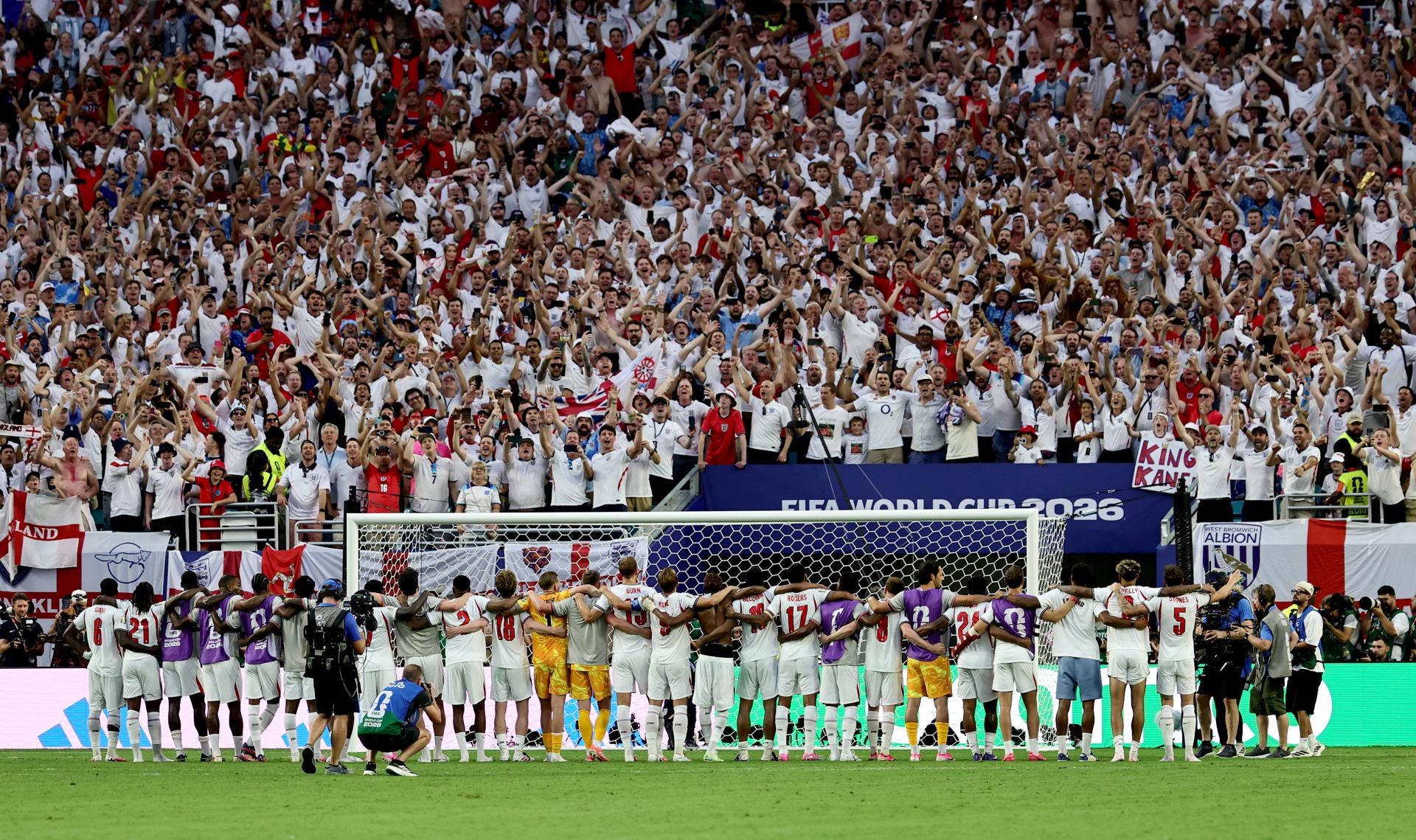
The 2026 FIFA World Cup, hosted jointly by Canada, Mexico, and the United States, is projected to reach record-breaking attendance figures, with FIFA officials anticipating that the cumulative ticket sales and spectator numbers will surpass the combined totals of the 2018 tournament in Russia and the 2022 event in Qatar. By expanding the tournament to 48 teams and utilizing large-capacity venues across North America, organizers are preparing for an unprecedented surge in global sports tourism and stadium occupancy.
Projecting Attendance in the 48-Team Format
The transition to a 48-team format for the 2026 edition represents the most significant expansion in the history of the FIFA World Cup. According to official FIFA documentation, the tournament will feature 104 matches, a substantial increase from the 64 matches held in both the 2018 and 2022 cycles. This expansion is the primary driver behind the anticipated attendance figures, as more matches naturally equate to a higher volume of available tickets.

In Russia 2018, total attendance reached approximately 3.03 million spectators, while the 2022 tournament in Qatar saw roughly 3.4 million fans pass through stadium turnstiles, as reported by Reuters. The combined attendance for those two tournaments sits at approximately 6.43 million. With 16 host cities across North America—many of which feature NFL stadiums with capacities exceeding 70,000—FIFA expects to exceed these historical benchmarks significantly, with some estimates suggesting total attendance could reach or exceed 5.5 to 6 million for the 2026 event alone, depending on final seating configurations.
Infrastructure and Venue Capacity
A key factor in the projected attendance shift is the sheer scale of the venues selected for 2026. Unlike previous hosts that relied on purpose-built stadiums with varying capacities, the North American bid benefits from established infrastructure. Venues like MetLife Stadium in New Jersey, AT&T Stadium in Texas, and SoFi Stadium in California provide the capacity to host crowds that are rarely seen in international football outside of major tournament finals.
The U.S. Soccer Federation and its counterparts in Mexico and Canada have emphasized that this infrastructure allows for a higher baseline of ticket availability. While Qatar 2022 was noted for its compact geography, which allowed fans to attend multiple matches in a single day, the 2026 tournament covers a vast geographical footprint, necessitating a reliance on diverse travel and local fan bases to fill the larger arenas.
Economic and Logistical Implications
The surge in attendance is expected to have a profound impact on the host nations’ economies. FIFA has highlighted the potential for the 2026 World Cup to become the most commercially successful sports event in history. This expectation is supported by the projected revenue from ticket sales, hospitality packages, and the increased number of matches, which provides more inventory for broadcast and sponsorship activations.

However, the scale of the event presents logistical challenges. Authorities in the 16 host cities are currently coordinating with national government agencies to manage the influx of millions of international visitors. Updates on security, transit, and fan-zone logistics are handled by the official FIFA Host City portal, which serves as the primary resource for stakeholders and traveling supporters.
Next Steps for Tournament Planning
As the tournament approaches, FIFA continues to finalize the match schedule and ticketing phases. Supporters seeking verified information regarding ticket sales, registration for the official ballot, and stadium access protocols are encouraged to monitor the FIFA Ticketing Center. The next major update from the organizing committee is expected following the conclusion of the final qualification rounds, which will determine the complete roster of the 48 participating nations.
As international reporting continues to evolve, we invite our readers to share their perspectives on the impact of the expanded World Cup format in the comments section below.
Worth a look