Public safety in Austrian swimming pools, the regional management of predators, and the emergence of promising young athletes define the current local news landscape in Styria. As the summer season reaches its peak in July 2026, authorities and families are navigating a mix of leisure-time safety protocols, agricultural challenges, and the celebration of regional sporting talent.
The safety of swimmers remains a priority for the Steiermark region as high temperatures drive record attendance at public facilities. According to the Austrian Federal Ministry for Social Affairs, Health, Care and Consumer Protection, public pools must adhere to strict water quality and supervision standards to prevent accidents. Experts advise parents to maintain constant supervision of children, noting that even a few seconds of distraction can lead to life-threatening situations in crowded water environments. The Austrian Red Cross emphasizes the importance of basic first-aid knowledge for pool visitors, particularly regarding water-related emergencies and heat exhaustion management during the peak summer months.
Wolf Management and Agricultural Conflict in Sölktal
The management of large predators continues to be a contentious issue for the Styrian agricultural sector, particularly following recent incidents in the Sölktal valley. The Styrian State Hunting Association confirmed that a wolf was culled following a series of documented sheep attacks in the region. This action was taken under regional wildlife management regulations that permit the removal of predators deemed a persistent threat to livestock.
The incident highlights the ongoing tension between conservationists and farmers in Alpine regions. The Austrian Farmers’ League has consistently advocated for more proactive protective measures for alpine pastures, citing the economic and emotional toll that livestock losses take on local families. Wildlife authorities continue to monitor the area for further predator activity, balancing environmental protection directives with the need to safeguard the local agricultural economy.
Emerging Talent: Lucas Marx and Regional Sports
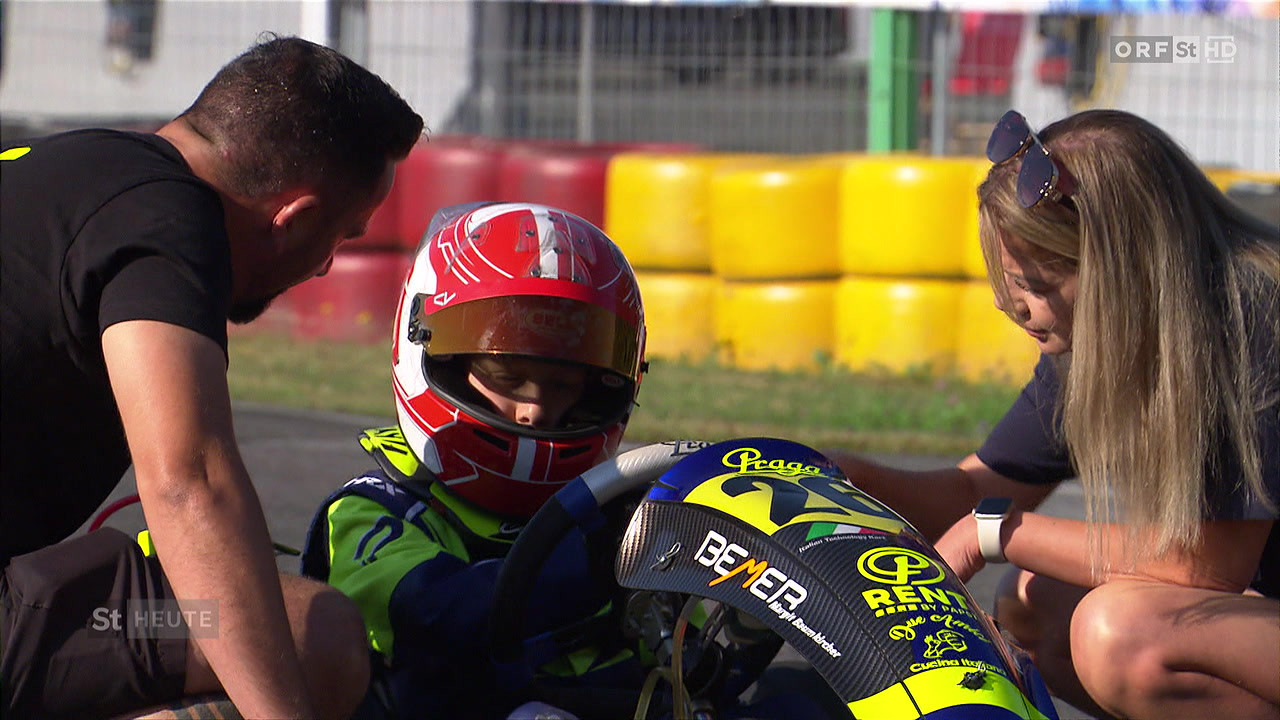
In the world of motorsport, young Styrian talent Lucas Marx is drawing attention for his performance in competitive karting. Karting serves as the traditional proving ground for future Formula 1 drivers, and Marx’s recent progression reflects the rigorous training standards maintained in local clubs. His development is monitored closely by regional sports analysts who look for consistency and technical precision in younger drivers.
The broader sporting community in Styria continues to support the development of youth athletics through various state-sponsored programs. These initiatives, supported by the Sportunion Austria, aim to provide the infrastructure necessary for young athletes to compete at national and international levels. For rising stars like Marx, the current season is a crucial period for securing the sponsorship and technical experience required to advance to higher racing categories.
Historical Reflection: The Legacy of Koloman Wagner
The regional conversation also pauses to acknowledge individuals like Koloman Wagner, whose contributions remain a fixture in local history. In the context of Styrian heritage, figures such as Wagner represent the deep-rooted civic and cultural connections that define the identity of the region. As local historians and community members reflect on these legacies, they emphasize the importance of preserving historical narratives for future generations, ensuring that the achievements of the past continue to inform the community’s social fabric.
As the summer progresses, residents are encouraged to stay informed through official channels regarding both public safety advisories and agricultural policy updates. The next status report on wildlife management in the Ennstal and Sölktal regions is expected to be released by the state government in late August 2026. Readers are invited to share their thoughts on these developments in the comments section below.
Keep reading