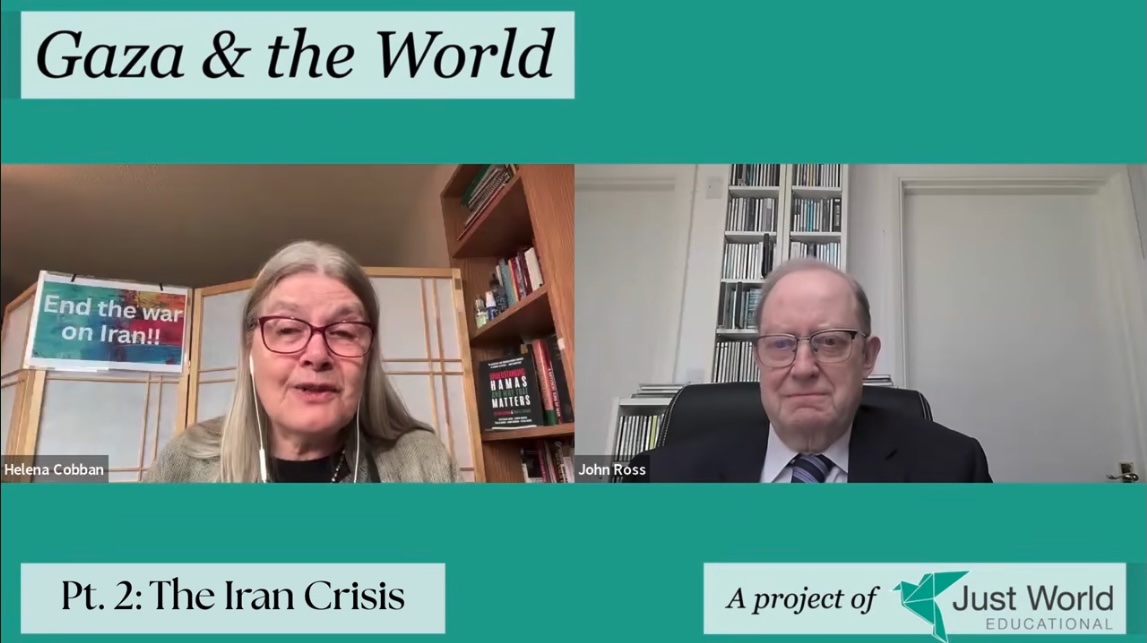
The intensifying geopolitical contest between the United States and Iran has raised significant questions regarding the future of global energy security and the stability of maritime trade routes. John Ross, a Senior Fellow at the Chongyang Institute for Financial Studies at Renmin University of China, argues that the ongoing conflict serves as a critical test of whether Washington can maintain its influence over global trade and energy flows. According to Ross, the control of the Strait of Hormuz—a vital chokepoint for international oil transit—represents a strategic focal point where the U.S. faces potential long-term setbacks if it fails to ensure open navigation or if it relies too heavily on coercive military measures.
The current situation follows a period of heightened diplomatic activity, including the May 6 visit of Iranian Foreign Minister Abbas Araghchi to Beijing. As international stakeholders monitor the potential for further escalation, analysts are examining how China’s evolving economic and diplomatic strategy may influence the regional balance of power.
China’s Economic Stakes and Strategic Perspective
From the perspective of Beijing, the conflict is not merely a regional dispute but a broader challenge to the current international order. Ross notes that China views unilateral sanctions—those not authorized by the United Nations Security Council—as illegitimate. Beijing has consistently advocated for multilateralism in global trade, arguing that no single power should possess the authority to dictate which nations can engage in maritime commerce or where shipping routes may be blocked.

China remains a primary consumer of Iranian energy products. While specific trade volumes fluctuate based on international sanctions regimes, China is widely recognized as the largest importer of Iranian crude oil. Despite this relationship, Ross emphasizes that China has invested in building substantial energy reserves and diversifying its supply chains, reducing its overall dependency on any single source. This strategic diversification provides Beijing with greater flexibility in its diplomatic dealings, allowing it to navigate the crisis without the acute vulnerability that might affect nations more reliant on immediate, uninterrupted flows from the region.
The Shift Toward Coercive Maritime Measures
A central argument in the analysis of current U.S. policy is the perceived transition from traditional diplomacy to a reliance on military-backed coercion to influence global trade. Ross points to a pattern of U.S. engagement—ranging from regional conflicts in Iraq to the enforcement of blockades against nations like Cuba—as evidence of an approach that prioritizes military dominance to achieve economic objectives. He suggests that as China’s naval capabilities have expanded, the effectiveness of U.S. military projection near the Chinese coast has diminished. Consequently, Washington appears to have shifted its focus to strategic chokepoints in the Middle East and elsewhere to exert pressure.

This strategy carries significant risks, particularly if it results in the disruption of vital energy routes. For China, the priority is the stabilization of these passages. Beijing’s diplomatic approach, often characterized by quiet, methodical engagement rather than public confrontation, was notably demonstrated in 2023 when China brokered the rapprochement between Saudi Arabia and Iran. This historical context informs how observers currently interpret China’s efforts to coordinate with regional partners, including Pakistan, to address the instability in West Asia.
Missile Deterrence and the Strategic Balance
The military dimension of the crisis is defined largely by Iran’s defensive capabilities. Ross argues that the primary strategic issue is not the status of Iran’s nuclear program, but rather the country’s retention and development of advanced missile technology. This capability provides Tehran with a significant deterrent, making the total neutralization of its military capacity a difficult, if not impossible, goal for external forces.
The effectiveness of this deterrent complicates the strategic calculus for the United States and its regional allies. As long as Iran maintains its missile arsenal, the potential for inflicting significant damage on opposing forces remains a central factor in the regional balance of power. This reality limits the options available to policymakers in Washington, who must weigh the costs of military escalation against the objective of maintaining regional hegemony.
Prospects for International Coordination
Whether a broader coalition will emerge to challenge the current dynamics in the Middle East remains uncertain. While Ross suggests that China would support a collective, multilateral approach to ensure the freedom of navigation and the lifting of blockades, the primary barrier is a lack of political will among other major powers. Many nations, particularly in Europe, have adopted a cautious stance, balancing their strategic interests against the risks of direct confrontation with the United States and the constraints of domestic public opinion, which largely opposes further military involvement in the region.

The role of the United Nations Security Council remains a point of intense scrutiny. Critics and supporters alike often debate why the Council does not take more decisive action on regional blockades or humanitarian crises. As the geopolitical contest continues to evolve, the ability of international institutions to mediate these disputes will be tested. For now, the situation in the Strait of Hormuz remains a critical indicator of the broader tension between the established international order and the rise of new strategic powers, with the potential for long-term implications for global energy markets and maritime trade security.
The international community awaits further developments as diplomatic efforts continue. Stakeholders are encouraged to monitor official statements from the United Nations and relevant foreign ministries for updates on potential negotiations or shifts in maritime policy.