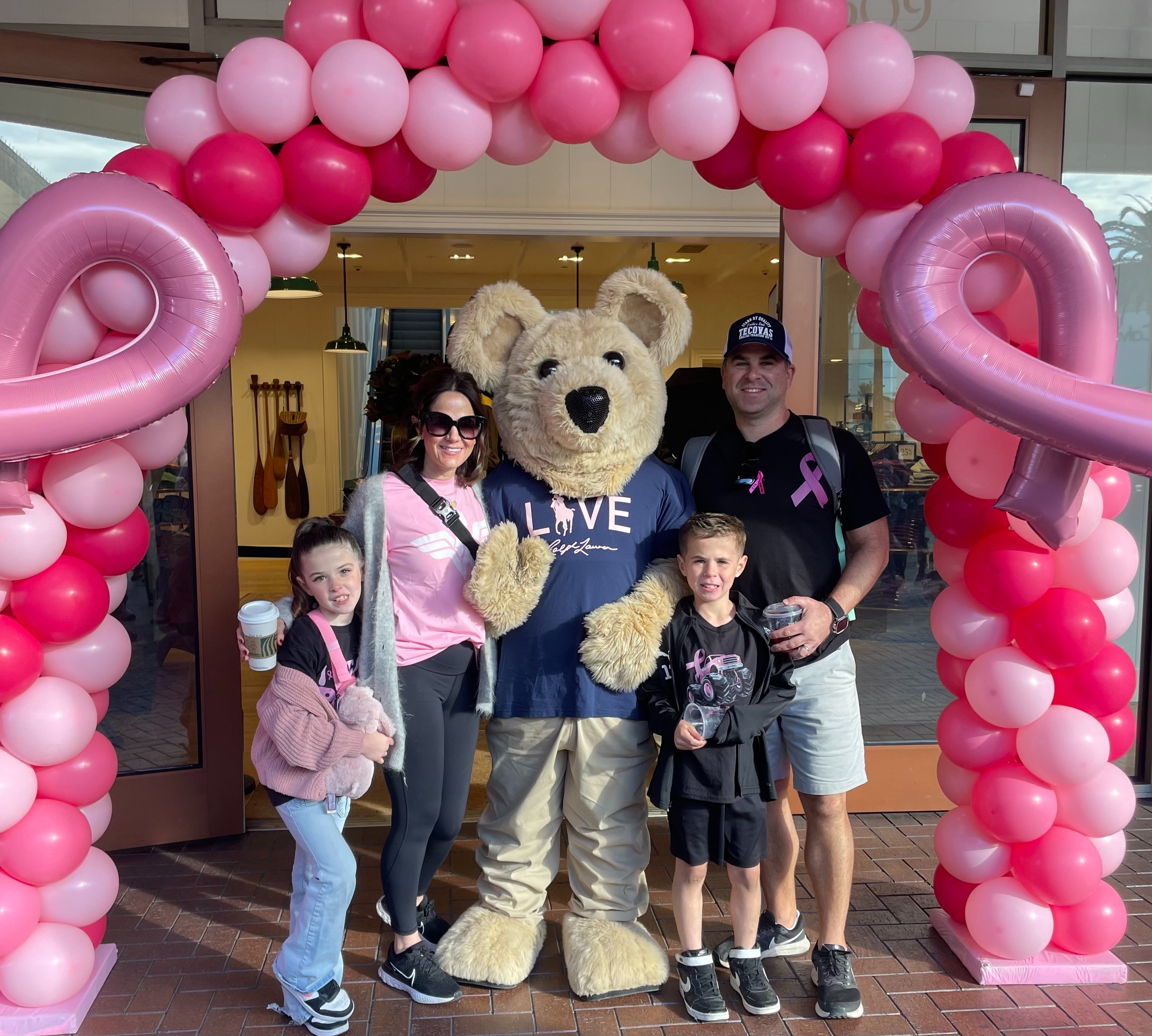
A Dutch mother named Amanda is launching a public fundraising campaign to afford a specialized cancer vaccine after being diagnosed with a rare form of the disease. According to reports from the IJmuider Courant, Amanda is seeking financial support to access treatment that is not currently covered by standard insurance, stating her primary motivation is to spend as much time as possible with her children.
The situation highlights a growing tension in personalized medicine, where cutting-edge therapies—such as neoantigen vaccines—offer hope for patients with rare malignancies but remain prohibitively expensive or inaccessible through national healthcare systems. In the Netherlands, where healthcare is largely socialized, the cost of experimental or non-standardized immunotherapy can fall entirely on the patient if the treatment is not yet approved for reimbursement by the National Health Care Institute (Zorginstituut Nederland).
Medical professionals note that personalized cancer vaccines are not “vaccines” in the traditional preventative sense. Instead, they are therapeutic tools designed to train the patient’s own immune system to recognize and attack specific mutations present in their unique tumor cells. Because these treatments are custom-made for a single individual, the manufacturing costs are exceptionally high.
The Challenge of Rare Cancer Treatment Costs
Amanda’s diagnosis involves a rare cancer type, which often complicates the path to standard care. For many patients with rare diseases, the “orphan” status of their condition means there are fewer large-scale clinical trials and fewer approved drugs, often leaving personalized immunotherapy as the only viable remaining option.
The fundraising effort is aimed at bridging the gap between available insurance coverage and the actual cost of the vaccine. In the European Union, the EU Pharmaceutical Strategy aims to improve access to medicines, but the timeline for incorporating highly personalized therapies into standard reimbursement schemes often lags behind the speed of medical innovation.
According to the IJmuider Courant, Amanda’s appeal focuses on the urgency of her condition and the desire to remain present for her children’s upbringing. This type of “crowdfunding for care” has become increasingly common in the Netherlands and globally as patients seek “Right to Try” options or experimental therapies from clinics abroad.
How Personalized Cancer Vaccines Work
To understand why Amanda requires a specific vaccine, it is necessary to distinguish between traditional chemotherapy and neoantigen therapy. While chemotherapy attacks all rapidly dividing cells, a personalized vaccine targets only the proteins (neoantigens) unique to the patient’s tumor.
The process generally involves three steps:
- Sequencing: Doctors sequence the DNA of the patient’s tumor and healthy cells to identify unique mutations.
- Design: Algorithms predict which of these mutations are most likely to trigger an immune response.
- Administration: A custom vaccine is manufactured and injected, prompting the T-cells to seek out and destroy cancer cells throughout the body.
The National Cancer Institute explains that these therapies are designed to prevent recurrence or treat advanced stages where other options have failed. However, the bespoke nature of the production means these treatments cannot be mass-produced, which is the primary driver of the costs Amanda is currently facing.
The Impact on Families and Healthcare Policy
The human cost of rare cancer extends beyond the patient. Amanda’s public plea emphasizes the emotional toll on her children, illustrating the “financial toxicity” that often accompanies a severe medical diagnosis. Financial toxicity refers to the detrimental impact that the high cost of cancer care has on the quality of life and mental health of the patient and their family.
Patient advocacy groups in the Netherlands have frequently argued that the current reimbursement models are too rigid for the era of precision medicine. When a treatment is proven effective for an individual but lacks the broad data set required for national approval, families are often forced to turn to the public for help.
This case underscores a critical gap in healthcare policy: the transition from “one size fits all” medicine to “n-of-1” trials, where the patient is the only subject. While the science is advancing, the payment structures of insurance providers have not yet evolved to cover the cost of individual-specific drug manufacturing.
For those following Amanda’s journey or facing similar challenges with rare diseases, official guidance on patient rights and experimental treatment access in the Netherlands can be found through the Netherlands Government official health portal.
The next step in Amanda’s process depends on the success of the fundraising campaign and the subsequent approval of the treatment facility to begin the vaccine production phase. Further updates on the campaign’s progress are expected as the family shares milestones toward their financial goal.
World Today Journal encourages readers to share this story to increase visibility for those fighting rare diseases. Please leave your thoughts or questions in the comments below.
Worth a look