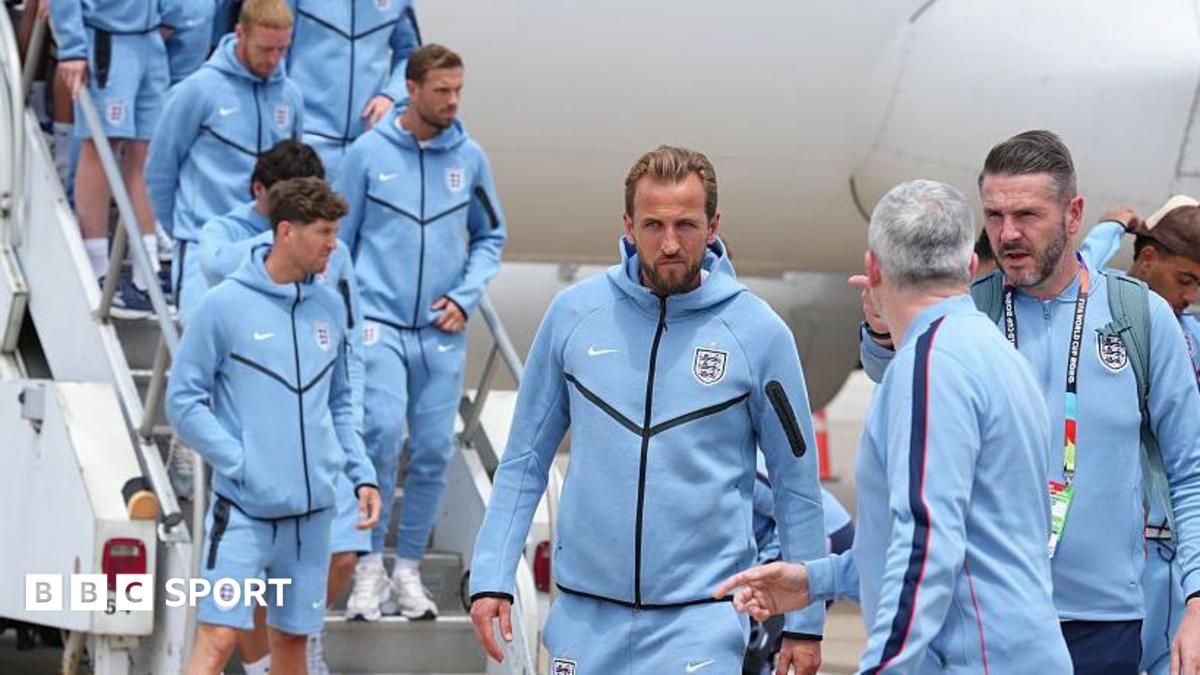
England’s national football team faces an unprecedented travel schedule for the 2026 FIFA World Cup, with the squad set to log significantly more air miles than fellow contenders France and Argentina. As the tournament expands to 48 teams and spreads across 16 host cities in the United States, Canada, and Mexico, the logistical burden of traversing North America has moved from a secondary concern to a central tactical consideration for national federations.
The geographical footprint of the 2026 tournament is the largest in FIFA history. According to the official FIFA World Cup 2026 host city announcement, matches will be held in venues ranging from Vancouver and Toronto in the north to Mexico City and Miami in the south. For teams like England, which must navigate group stages and potential knockout rounds across these vast distances, the accumulated flight time represents a departure from the more compact European-based tournaments of the past.
The Impact of Expanded Travel on Elite Performance
While the physical strain of long-haul travel is a frequent topic of debate among sports scientists, the actual impact on on-pitch performance remains a subject of ongoing analysis. Research published by the British Journal of Sports Medicine suggests that frequent time-zone shifts and prolonged periods of air travel can disrupt circadian rhythms, potentially affecting sleep quality and recovery times for elite athletes. In previous major tournaments, teams have mitigated these effects by establishing permanent base camps, yet the 2026 format forces teams to move between diverse climate zones and high-altitude locations.
Comparing England’s travel requirements to those of France or Argentina reveals the disparity created by the tournament’s decentralized structure. While some teams may be drawn into “regional clusters” that minimize flight duration, England’s specific path—determined by the final group stage draw—could require travel between the East and West Coasts of North America. This logistical challenge is compounded by the official match schedule, which dictates specific recovery windows between fixtures.
Tactical Adjustments for a Continental Tournament
National federations are increasingly treating logistics as a pillar of their technical strategy. England’s Football Association (FA) has historically invested in specialized performance staff to manage nutrition, hydration, and sleep hygiene. For the 2026 cycle, these efforts are expected to scale up to address the specific demands of the North American environment. According to updates from the English Football Association, the selection of base camps will prioritize proximity to major transport hubs and recovery facilities, a strategy designed to offset the “air miles” deficit.
However, some analysts argue that the importance of travel distance is overstated. In professional football, the quality of opposition and the tactical discipline of the squad typically outweigh the duration of a flight. Argentina, having successfully navigated the 2022 tournament, demonstrated that a cohesive tactical unit can overcome external environmental variables. The question remains whether the 2026 tournament, with its unique scale, will force a shift in how teams approach the balance between training intensity and rest.
Managing Climate and Altitude Variations
Beyond the distance traveled, the variation in playing conditions poses a significant test. Matches scheduled in Mexico City, which sits at an altitude of approximately 2,240 meters, present physiological challenges that differ significantly from those at sea level. According to World Health Organization guidelines on high-altitude training, acclimatization typically requires several days to avoid the effects of reduced oxygen availability. Teams that find themselves playing in these locations will likely need to adjust their training loads in the weeks leading up to the tournament.
The 2026 tournament will feature 104 matches across 39 days, an increase from the 64 matches played in previous iterations. This density of fixtures, combined with the extreme travel requirements, creates a unique set of variables for managers. The FIFA media hub provides ongoing updates regarding team transit protocols and venue-specific technical requirements. As the tournament approaches, the focus for England and other major nations will be on minimizing the impact of these environmental factors through rigorous logistical planning.
Next Steps in the Tournament Cycle
The next major milestone for competing nations is the finalization of the tournament draw and the subsequent confirmation of team base camps. These decisions will finalize the specific travel itineraries for each squad, allowing performance directors to map out their exact flight schedules and recovery windows. Supporters and stakeholders can monitor the official FIFA World Cup 2026 portal for the latest announcements regarding team logistics and match-day requirements.
As the tournament structure becomes clearer, the debate surrounding the impact of travel will likely intensify. Whether these air miles prove to be a decisive factor or merely a logistical footnote will be determined when the first ball is kicked in June 2026. Readers are encouraged to share their views on whether tournament logistics have become too complex for modern football in the comments below.
Keep reading