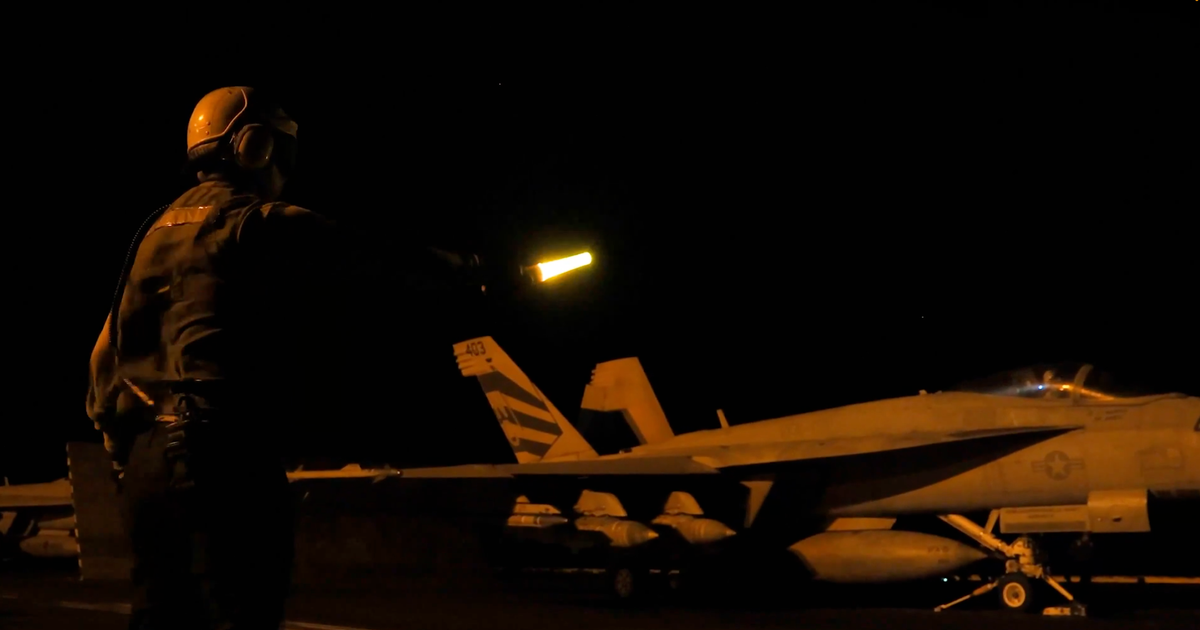
Tehran maintains that diplomatic channels remain open despite a week of escalating military engagements in the Persian Gulf, even as the United States continues to conduct targeted strikes against regional militant groups. According to the U.S. Central Command (CENTCOM), American forces have carried out a series of operations aimed at degrading the capabilities of Iran-backed militias following persistent attacks on maritime and military assets in the region. Despite this kinetic cycle, Iranian officials have publicly characterized their current stance as one of continued engagement with international interlocutors to prevent further regional instability.
The current cycle of hostilities follows a surge in activity involving the U.S. military and various factions operating in the Middle East. On February 2, 2024, the United States launched a major retaliatory operation, striking more than 85 targets linked to Iran’s Islamic Revolutionary Guard Corps (IRGC) Quds Force and affiliated militant groups in Iraq and Syria, according to a formal statement from the U.S. Department of Defense. These strikes were initiated in response to a drone attack that killed three U.S. service members at a base in Jordan, a development confirmed by the White House on January 28, 2024.
Diplomacy Amidst Military Friction
Iranian Foreign Ministry spokesperson Nasser Kanaani stated in a press briefing that Iran remains committed to diplomatic pathways, arguing that the presence of foreign military forces is the primary driver of regional tension. While Tehran denies direct operational control over the myriad of militias conducting strikes across the Persian Gulf, the United States and several of its allies maintain that the logistical and material support provided by the IRGC is essential to these groups’ operations, as detailed in reports from the Congressional Research Service.

The duality of the Iranian position—maintaining a rhetoric of resistance while simultaneously engaging in back-channel diplomacy—is a strategy observed by regional analysts as an attempt to manage the risk of a full-scale conflict. By keeping diplomatic lines open, Tehran seeks to mitigate the impact of international sanctions and avoid a direct, large-scale confrontation with the United States military, which retains a significant force posture across the Gulf region, including the presence of carrier strike groups and land-based air defense systems.
U.S. Military Posture and Regional Impact
The U.S. Department of Defense has emphasized that its actions are strictly defensive and intended to deter further aggression against its personnel and commercial shipping lanes. The U.S. Navy and its international partners, including the United Kingdom, have also been active in the Red Sea, where the Houthi movement—which the U.S. identifies as being armed by Iran—has continued to target international merchant vessels. According to the U.S. Maritime Administration, these disruptions have forced significant rerouting of global shipping, increasing costs and complicating supply chains across the maritime corridor.
These military actions take place under the framework of the National Defense Strategy, which prioritizes the containment of Iranian influence while attempting to avoid a broader war. The Pentagon has confirmed the deployment of additional assets to the region to ensure freedom of navigation and to defend against potential ballistic missile and drone threats. The U.S. government maintains that all military actions are conducted in accordance with international law, specifically referencing the right to self-defense under Article 51 of the United Nations Charter.
The Role of Proxy Networks
Analysts note that the conflict is complicated by the fragmented nature of the groups involved. Unlike traditional state-to-state warfare, the reliance on proxy networks allows for a layer of deniability that complicates diplomatic negotiations. The International Institute for Strategic Studies (IISS) has documented the evolution of these groups into highly capable entities equipped with sophisticated drone and missile technology, often provided through illicit smuggling routes that bypass international monitoring.
While the United States and Iran continue to exchange warnings, neither side has demonstrated a desire for direct, total war. The U.S. government continues to utilize its network of regional partnerships, including the Gulf Cooperation Council (GCC), to coordinate security efforts and share intelligence regarding threats. Simultaneously, Iran utilizes its diplomatic missions to signal its red lines to regional neighbors, often framing the current violence as a consequence of the ongoing geopolitical situation in the Levant and the broader Middle East.
Next Steps in the Region
The immediate outlook remains governed by the potential for miscalculation. The next significant checkpoint for this situation will be the upcoming session of the United Nations Security Council, where member states are expected to discuss the security of maritime transit and regional stability. Official updates from the U.S. Department of Defense regarding force posture adjustments or operational outcomes are available through the Pentagon’s official news portal. Observers are also monitoring for any shifts in the diplomatic posture of regional mediators, such as Oman or Qatar, who have historically facilitated communication between Washington and Tehran.

We encourage readers to engage with this ongoing coverage by sharing their perspectives in the comments below or by following our dedicated regional security feed for verified updates as they occur.
Keep reading