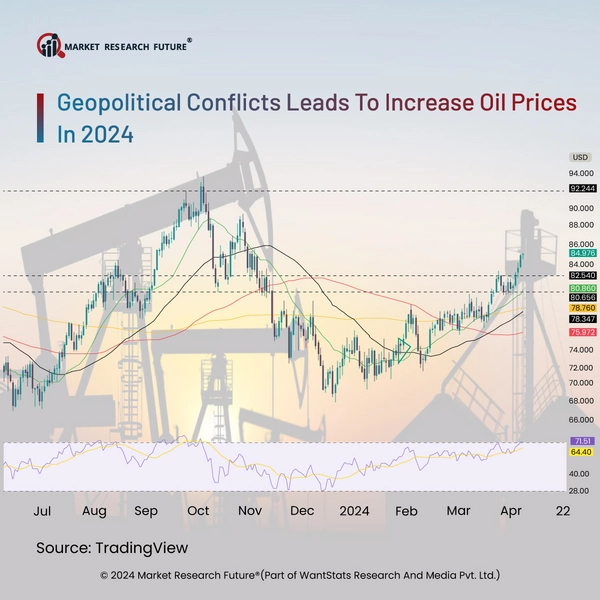
Global equity markets faced significant downward pressure this week as escalating geopolitical tensions in the Middle East intersected with a broad sell-off in the technology sector, particularly among major Asian memory chipmakers. Investors have shifted into a “risk-off” posture, moving capital away from growth-oriented tech stocks and toward traditional safe-haven assets, including crude oil and gold, as concerns over supply chain disruptions and regional conflict intensify.
The shift was punctuated by a sharp rise in global oil prices, which surged as markets reacted to reports of heightened hostilities between the United States and Iran. According to data tracked by the International Energy Agency (IEA), any prolonged instability in the Strait of Hormuz—a critical chokepoint for global oil transit—poses an immediate threat to energy supply predictability, forcing a repricing of risk across industrial and financial sectors.
Asian Semiconductor Stocks Face Heavy Selling Pressure
The technology sector, which served as the primary engine for global market gains throughout 2023 and early 2024, bore the brunt of the recent volatility. Memory chip manufacturers in Asia, including key suppliers to the artificial intelligence and consumer electronics industries, saw their valuations decline sharply during the latest trading sessions. This downturn is largely attributed to a combination of profit-taking and fears that geopolitical instability will dampen demand for high-end semiconductors.
Market analysts note that the semiconductor industry is highly sensitive to macro-economic shifts and regional trade tensions. Samsung Electronics and SK Hynix, two of the world’s largest memory chip producers, saw their share prices dip as investors factored in the potential for increased manufacturing costs and reduced export volumes. According to reports from Reuters, the sector is also contending with a cyclical adjustment in demand, which has exacerbated the impact of the current “risk-off” sentiment sweeping across global exchanges.
Energy Markets React to Middle East Escalation
As equity markets stumbled, the energy sector experienced a counter-trend surge. Brent crude and West Texas Intermediate (WTI) futures rose as traders assessed the implications of direct and indirect confrontations between U.S. forces and Iranian-aligned groups. The U.S. Energy Information Administration (EIA) has consistently highlighted that even minor disruptions in Middle Eastern output can lead to significant price volatility due to the region’s role in global supply balances.
The current market environment reflects a classic defensive rotation. When geopolitical risks rise, institutional investors typically reduce exposure to high-beta assets—such as technology stocks—and increase holdings in commodities that historically hedge against inflation and supply shocks. This movement has created a divergence in market performance, with energy companies seeing gains while the broader tech-heavy indices, such as the Nasdaq, have faced sustained selling pressure.
Assessing the Impact on Global Portfolios
The persistence of this “risk-off” environment depends heavily on diplomatic developments. Financial institutions are currently monitoring official statements from the U.S. State Department and regional governments for any indications of de-escalation. For investors, the primary concern remains the potential for a wider regional conflict that could force central banks to reconsider their interest rate trajectories, particularly if energy price spikes lead to renewed inflationary pressures.
According to updates from the International Monetary Fund (IMF), global economic stability remains vulnerable to these types of sudden supply-side shocks. While the tech sector’s recent sell-off may be viewed by some long-term investors as a correction, the immediate outlook remains clouded by the uncertainty surrounding international security commitments and the potential for further volatility in the oil markets.
Market participants are now looking toward the next round of corporate earnings reports and upcoming central bank policy meetings to gauge how much of the recent equity decline is tied to fundamental economic health versus temporary geopolitical panic. Investors are encouraged to monitor official regulatory filings and government briefings for verified updates on trade policies and regional security statuses.