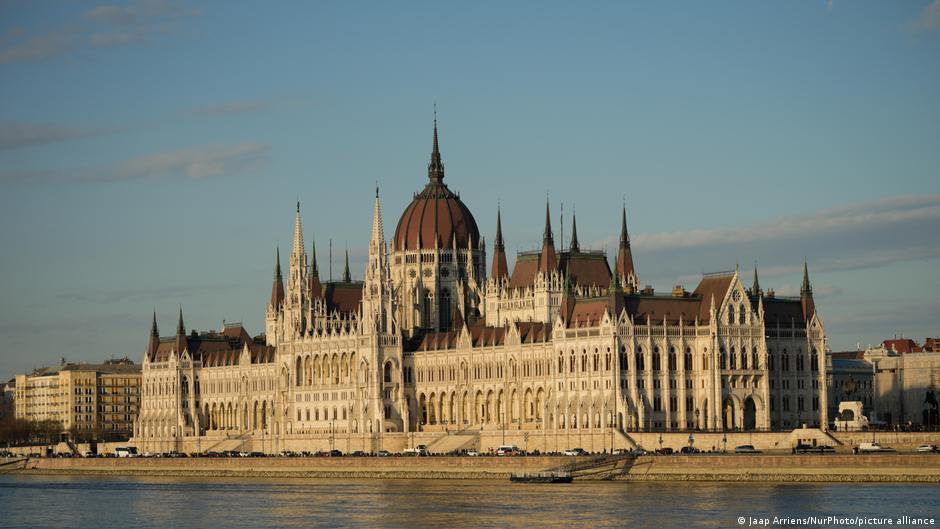
The Hungarian parliament is currently debating a legislative proposal that could lead to the removal of President Tamas Sulyok, a move that signals a significant shift in the nation’s political landscape. The initiative, spearheaded by opposition forces, centers on allegations regarding the president’s past legal and business activities, specifically concerning land transactions that critics argue were improper. According to reports from the Momentum Movement, the opposition party leading the charge, the goal is to initiate an impeachment process, citing a lack of moral and legal fitness for the office.
President Sulyok, who assumed office in March 2024 following the resignation of his predecessor, Katalin Novak, has denied any wrongdoing. The proceedings are unfolding against a backdrop of intense domestic scrutiny regarding the governance of the Fidesz-led administration. While the ruling party maintains a firm grip on the legislative body, the formal challenge to the head of state represents an unusual crack in the political cohesion that has characterized the Viktor Orban era.
The Legal Basis for the Impeachment Attempt
The opposition’s case rests on accusations that Sulyok engaged in the facilitation of illegal land sales to foreign nationals during his time as a lawyer. Under Hungarian law, the sale of agricultural land to non-residents has been subject to strict regulation, and the opposition claims documents suggest Sulyok played a key role in bypassing these restrictions. The Momentum Movement has stated that these activities constitute a violation of the presidential oath and the constitution.
For an impeachment process to succeed, the legislative hurdles are substantial. Under the Hungarian constitution, the process requires an initial motion supported by a significant number of lawmakers, followed by a series of reviews by the Constitutional Court. Given that the Fidesz party holds a two-thirds majority in the National Assembly, the political threshold for the removal of a president is exceptionally high. Analysts note that while the opposition may use the floor of parliament to highlight their grievances, the likelihood of a successful ouster remains constrained by the current distribution of power.
Political Context and the Orban Administration
The move to oust Sulyok follows a period of instability within the executive branch. The resignation of former President Katalin Novak and former Justice Minister Judit Varga earlier this year, prompted by a scandal involving a presidential pardon in a child abuse cover-up case, left the governing coalition vulnerable to public criticism. The political fallout from that event forced the administration to rapidly restructure its leadership, with Sulyok being elected by parliament as a successor shortly thereafter.

The current attempt to remove Sulyok serves as a barometer for the strength of the opposition’s reach. By challenging the president, the opposition aims to draw attention to perceived systemic corruption. According to the official statements from Momentum, the party intends to use the parliamentary process to force a public accounting of the president’s professional history, regardless of the ultimate vote outcome.
Institutional Processes and Next Steps
The parliamentary procedure requires a formal review of the allegations. If the motion is accepted by the assembly, the matter would move to the Constitutional Court, which is tasked with determining whether the president has committed a serious breach of his duties. Historically, the court has been viewed by international observers as having close alignment with the legislative majority. Consequently, the Venice Commission, which monitors constitutional standards, has previously highlighted concerns regarding the independence of judicial oversight in Hungary, though it has not commented on this specific, ongoing case.

At this stage, the parliament has yet to set a firm date for a plenary debate on the impeachment motion. The next checkpoint involves the submission of the required signatures from lawmakers to the Speaker of the House, Laszlo Kover, who will then decide on the scheduling of the initial session. Observers are monitoring whether the opposition can maintain momentum or if the legislative majority will dismiss the motion in the preliminary stages. Updates regarding the formal filing status and any statements from the President’s office can be tracked through the official Hungarian National Assembly portal.
World Today Journal will continue to monitor the parliamentary sessions as they develop. We encourage our readers to join the conversation in the comments section below regarding the implications of this constitutional challenge for Hungary’s democratic institutions.
Worth a look