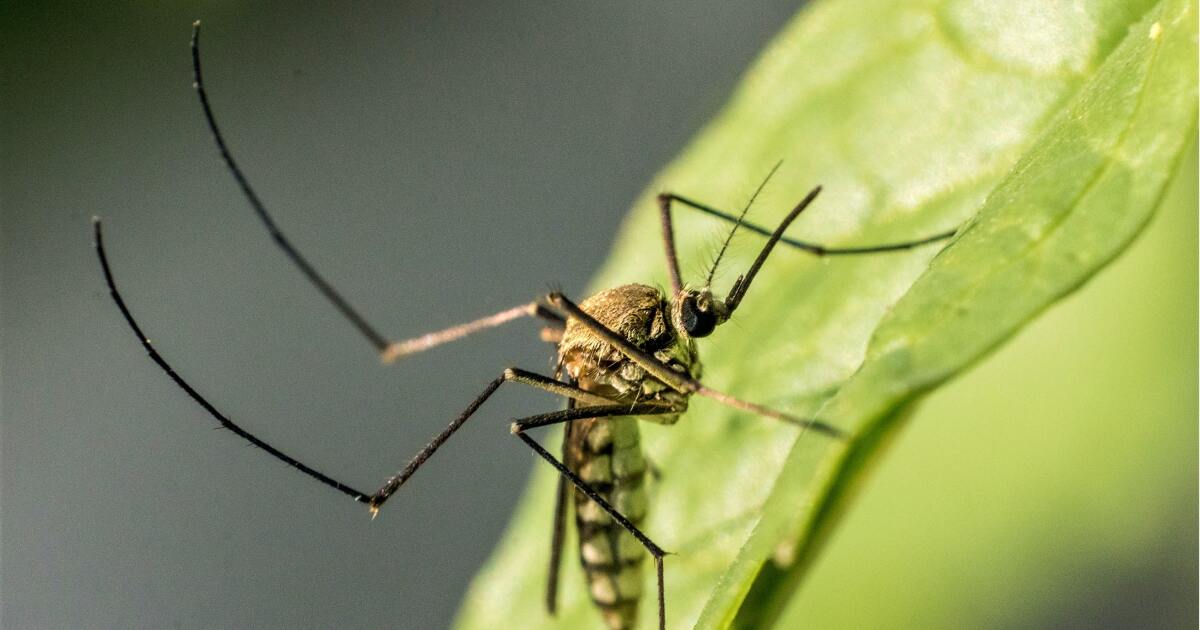
Public health officials in Los Angeles County have confirmed the first human case of West Nile virus for the 2026 season, marking a significant development as the region experiences an uptick in mosquito-borne illness activity. The patient, who has not been identified by name, is reported to be in serious condition, highlighting the ongoing public health risks posed by the virus during the warmer months.
According to the Los Angeles County Department of Public Health, the virus is primarily transmitted to humans through the bite of an infected mosquito. While many individuals who contract the virus remain asymptomatic or experience only mild flu-like symptoms, a small percentage can develop severe neurological complications. The confirmation of this case serves as an official reminder for residents to take preventative measures against mosquito exposure, particularly during dawn and dusk when activity is highest.
Understanding the Risk and Transmission
West Nile virus remains the most common mosquito-borne disease in the continental United States. The virus cycles between birds and mosquitoes, with humans acting as “dead-end hosts,” meaning they cannot pass the virus to others. The Centers for Disease Control and Prevention (CDC) notes that while most people infected with the virus will not show symptoms, approximately one in five will develop a fever, headache, body aches, joint pains, or a rash. In rare cases—less than 1%—the virus can enter the brain, leading to serious conditions such as encephalitis or meningitis.
The current situation in Los Angeles is part of a broader, nationwide trend. Health experts frequently observe that temperature fluctuations and precipitation patterns influence the density of mosquito populations. In California, local vector control agencies are actively conducting surveillance to monitor the presence of the virus in local mosquito pools and dead bird sightings, which often precede human cases.
Preventative Measures for Residents
Public health authorities emphasize that the most effective way to prevent infection is to minimize the risk of mosquito bites. The California Department of Public Health recommends several specific actions for residents to protect themselves and their households:
- Eliminate standing water: Empty or drain containers, flower pots, bird baths, and pet dishes where mosquitoes can lay eggs.
- Use EPA-registered repellents: Products containing DEET, Picaridin, IR3535, or oil of lemon eucalyptus are proven effective.
- Maintain screens: Ensure door and window screens are in good repair to keep mosquitoes out of living spaces.
- Dress defensively: Wear long-sleeved shirts and long pants when outdoors, particularly in areas with high mosquito activity.
Broader Context of Virus Activity
The detection of this case in Los Angeles occurs amid a season where health agencies across the country are reporting varied levels of West Nile virus activity. Because the virus is endemic to many parts of the United States, fluctuations are expected, but officials remain vigilant regarding the potential for severe health impacts. The United States Department of Agriculture and state-level agricultural departments often coordinate with health agencies to track the virus’s movement through avian populations, which serves as a critical early warning system for human health departments.
As the season progresses, local health departments will continue to provide updates based on laboratory testing and ongoing surveillance data. Residents are encouraged to monitor the official website of the Los Angeles County Department of Public Health for the latest advisories and information on vector control efforts in their specific communities. The next formal update regarding the county’s seasonal virus statistics is expected as part of the ongoing surveillance reports published by the health department.
We encourage our readers to share this information with neighbors and family to ensure community-wide awareness of these simple, life-saving precautions. If you have questions about local vector control or symptoms, please consult your healthcare provider or visit the official government portals linked above.
Keep reading