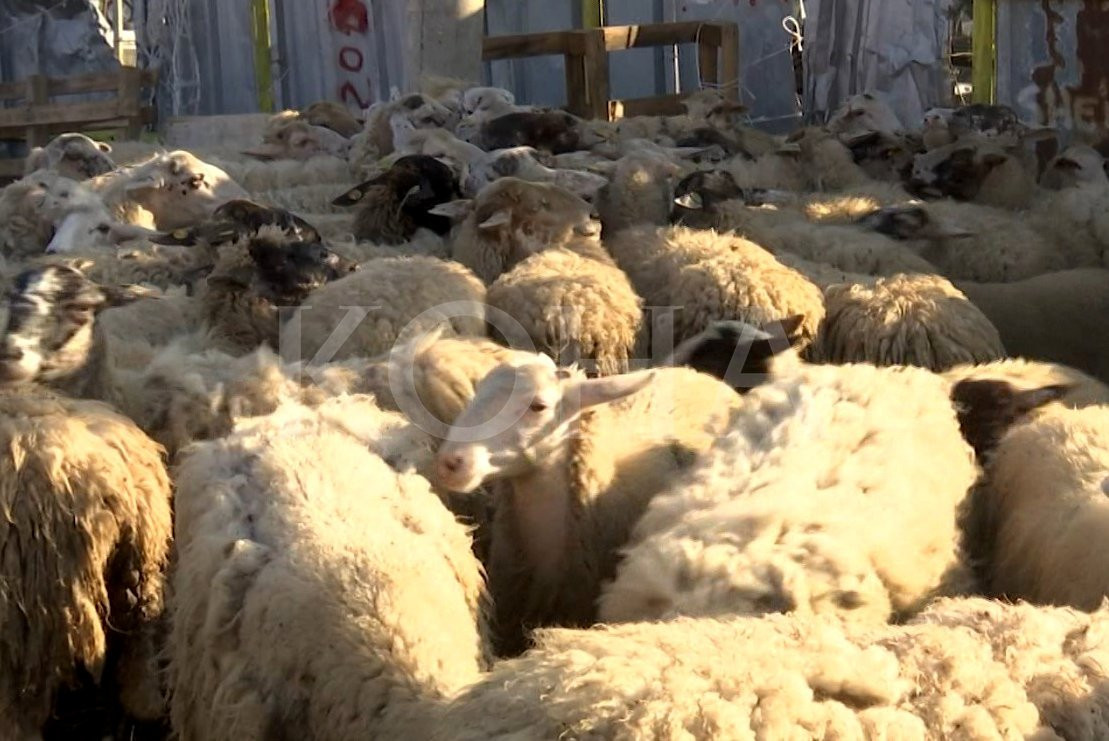
Public concern regarding sanitation standards at traditional livestock markets in Kosovo has intensified following reports of inadequate hygiene practices during seasonal sales. Simultaneously, the Kosovo Energy Corporation (KEK) is managing the aftermath of a fatal workplace accident at the Kosovo B power plant, which has prompted calls for a formal investigation into industrial safety protocols.
As a physician and health journalist, I often emphasize that public health is not merely the absence of disease, but the result of rigorous institutional oversight. Whether we are discussing the handling of perishable goods in open-air markets or the complex safety requirements of a national power grid, the common denominator is the need for strictly enforced regulatory standards to protect human life and community well-being.
Sanitation Concerns at Livestock Markets
Recent reports from citizens indicate that hygiene conditions at various sacrificial livestock markets—often busiest during religious observances—frequently fail to meet basic municipal and public health standards. Residents have expressed frustration over the lack of proper waste management, insufficient water access for cleaning, and the absence of veterinary oversight during high-volume sales periods.
From a medical perspective, these environments present significant risks for zoonotic disease transmission and foodborne illnesses. When livestock are held in crowded, unhygienic conditions, the likelihood of bacterial contamination—such as Salmonella or E. coli—increases exponentially. Proper market regulation, including mandatory health certifications for animals and designated areas for waste disposal, is essential to mitigate these risks. Local authorities are expected to address these sanitation complaints by implementing more frequent health inspections and stricter permitting requirements for vendors operating in temporary market spaces.
Industrial Safety at Kosovo B Power Plant
In a separate development, the Kosovo Energy Corporation (KEK) has confirmed the death of an employee following an incident at the Kosovo B thermal power plant. The incident has drawn immediate attention to the operational safety culture within the country’s primary energy infrastructure. According to official statements from the corporation, internal investigations are currently underway to determine the precise mechanical or procedural failures that led to the fatality.
For large-scale industrial facilities like Kosovo B, safety is governed by strict labor laws and occupational health and safety (OHS) mandates. These frameworks require regular maintenance of heavy machinery and consistent training for staff. The loss of a worker highlights the critical nature of these protocols. As the investigation progresses, observers are looking for transparency from KEK regarding the findings of the accident report and any subsequent changes to their safety management systems.
Regulatory Oversight and Next Steps
Both the sanitation issues in public markets and the fatal accident at the power plant underscore a broader challenge: the consistent application of safety and hygiene regulations. For the livestock markets, the path forward involves municipal health departments coordinating with veterinary services to ensure that temporary trading zones adhere to the same standards as permanent facilities. For KEK, the next checkpoint will be the release of the official accident report and the implementation of any corrective actions mandated by the labor inspectorate.
Ensuring public safety is an ongoing process that requires constant vigilance from both government agencies and private sector operators. As we monitor these situations, it is essential that citizens continue to report safety violations to local authorities, as this feedback remains a vital component of public oversight. We will continue to track updates regarding the KEK investigation and municipal responses to market hygiene as they become available.
What are your thoughts on how local authorities can better manage public safety in these sectors? Please share your perspective in the comments below.