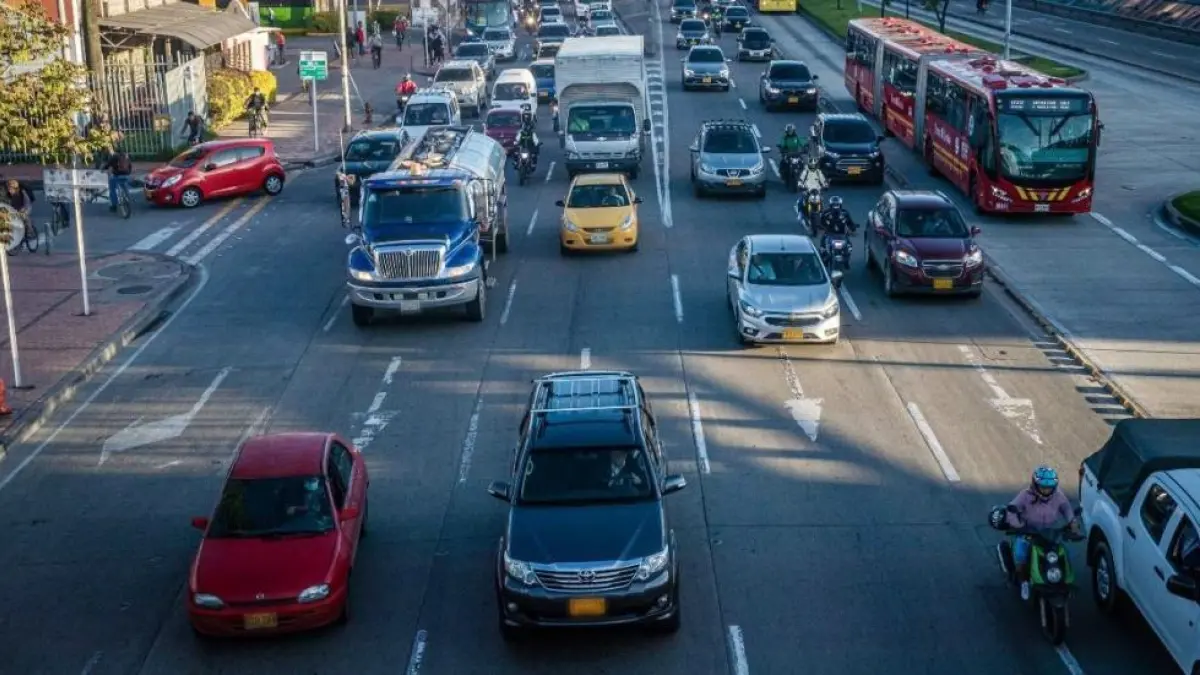
Bogotá experienced high vehicle volumes on Monday, July 13, as travelers returned to the capital following a holiday period. Traffic authorities reported significant congestion specifically along the Autopista Norte corridor, while implementing regional “pico y placa” restrictions and reversible lanes to manage the influx of cars entering the city.
The “plan retorno” (return plan) is a coordinated effort by the Bogotá Mayor’s Office and the Ministry of Transport to prevent total gridlock during peak travel windows. According to reports from El Tiempo and the official Bogotá government portal, the Autopista Norte emerged as one of the most critical points of congestion due to the high volume of vehicles arriving from northern departments and municipalities.
To mitigate the impact on urban mobility, the city activated the regional “pico y placa” system. This measure restricts the entry of vehicles into Bogotá based on the last digit of their license plates, a strategy designed to reduce the number of cars on the road during the return window. Caracol Radio reported that drivers failing to adhere to these regional restrictions face fines and traffic citations.
Traffic Management on the Autopista Norte and Main Arteries
The Autopista Norte serves as a primary gateway for travelers arriving from the north of the country. On July 13, this corridor saw a surge in traffic that slowed transit times significantly.

Beyond the northern entrance, the Bogotá government’s mobility updates indicated that other entry points also experienced heightened activity.
Reversible Lane Operations for Villavicencio-Bogotá Route
One of the most critical interventions for the July 13 return plan was the implementation of the reversible lane on the highway connecting Villavicencio and Bogotá. According to Revista Semana, authorities maintained this reversible operation until 10:00 p.m. to accommodate the heavy stream of vehicles traveling toward the capital.
Regional Pico y Placa Regulations for July 13
The regional “pico y placa” is distinct from the city’s internal restriction. It applies to vehicles coming from outside the city limits. According to Caracol Radio, this measure is essential to prevent the city’s internal road network from collapsing under the weight of thousands of additional vehicles entering simultaneously from multiple directions.
Drivers are advised to check the specific plate restrictions for the date of their entry. The system operates on a rotating schedule of license plate endings. Failure to comply results in penalties administered by the Secretaría de Movilidad de Bogotá.
Guidelines for Travelers and Official Updates
Travelers entering Bogotá are encouraged to use official digital channels for real-time updates. The Bogotá government (Bogota.gov.co) and the transit police provide live reports on road closures, accident-related delays, and the current status of reversible lanes.
To avoid further congestion, authorities recommend the following:
- Verify the “pico y placa” status of your vehicle before reaching the city limits.
- Follow the directions of traffic officers on the Autopista Norte and the Villavicencio route.
- Use alternative routes if official reports indicate total saturation of the main corridors.
For the most current traffic alerts, residents and travelers should monitor the official X (formerly Twitter) accounts of the Bogotá Mayor’s Office and the National Police.
Share this update with fellow travelers to help reduce congestion in the capital. Leave your comments below regarding current road conditions on your route into Bogotá.