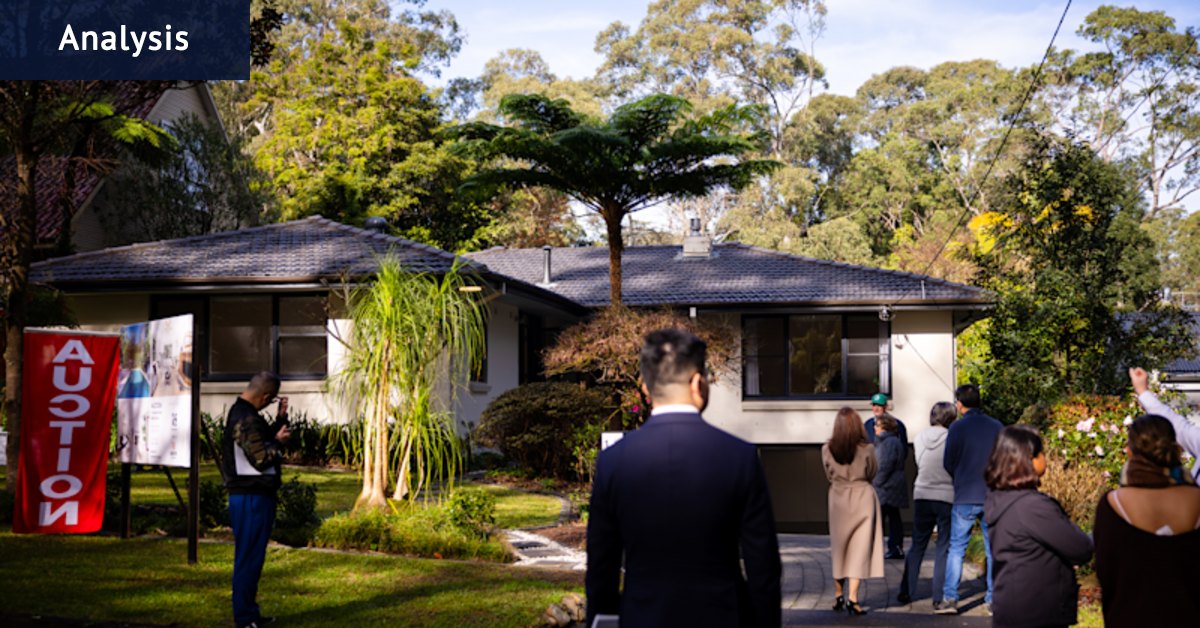
The residential auction market is currently experiencing its most subdued performance since 2020, with clearance rates hovering near the 50% mark across major metropolitan areas. This cooling trend reflects a broader shift in buyer sentiment and lending conditions, as high interest rates and increased housing supply place downward pressure on property prices. According to recent market data from CoreLogic, national auction clearance rates have faced consistent downward revisions throughout the current quarter, signaling a departure from the competitive bidding environments seen in previous years.
For prospective buyers and sellers, the current environment is defined by a standoff between vendors’ price expectations and the budget constraints of active bidders. While approximately half of all homes scheduled for auction are successfully clearing, the remaining properties are frequently being passed in or withdrawn, leaving a surplus of stock that may linger on the market as we approach the spring season. This data indicates a market transition where supply is beginning to outpace demand, forcing a recalibration of property valuations in real-time.
Factors Driving Current Market Volatility
Several macroeconomic factors are contributing to this cooling phase. The primary driver remains the elevated cash rate, which has significantly tightened borrowing capacity for many households. The Reserve Bank of Australia (RBA) has maintained a restrictive monetary policy stance to combat persistent inflation, which directly impacts the mortgage serviceability assessments conducted by commercial lenders. As reported by the Australian Bureau of Statistics, household disposable income has been under pressure, leaving less room for aggressive bidding at auction.
Furthermore, the total volume of properties listed for auction has surged in several key regions. When supply increases significantly, buyers gain more leverage, allowing them to be more selective and less prone to “fear of missing out” (FOMO) behaviors that historically drove prices upward. According to analysis from Domain, the rise in “for sale” signs across capital cities has created a more buyer-friendly market, which naturally tempers the urgency required for a successful auction clearance.
Spring Outlook and Market Adjustments
The approach of spring typically signals an influx of new listings, a period often referred to as the traditional “spring selling season.” Historically, this timeframe sees higher transaction volumes; however, market analysts suggest that this year may deviate from the norm. If the current trend of lower clearance rates persists, sellers may need to adjust their reserve prices to align with the more cautious approach adopted by buyers. Data from PropTrack indicates that vendors who remain flexible with their price expectations are significantly more likely to secure a sale under the hammer.
For those looking to enter the market, the coming months may offer increased opportunities for negotiation. Properties that fail to clear at auction often move to a private treaty arrangement, providing buyers a secondary window to conduct due diligence and secure terms that were not available on the auction day. Market experts emphasize that while the headline clearance rate is a useful barometer, local conditions vary wildly, and buyers should focus on inventory levels within specific suburbs rather than national averages.
Strategic Considerations for Market Participants
Understanding the distinction between “passed-in” properties and those sold prior to auction is essential for interpreting current market health. A property that is passed in is not necessarily a sign of a distressed asset; rather, it often indicates a disconnect between the seller’s valuation and the market’s current appetite. According to reporting from The Australian Financial Review, agents are increasingly advising sellers to consider realistic price guides to avoid the reputational risk of a failed auction.
Buyers are encouraged to monitor official auction results published by state-based real estate institutes, such as the Real Estate Institute of New South Wales or the Real Estate Institute of Victoria. These platforms provide verified data on final sale prices and the number of active bidders, which are more reliable indicators of value than advertised price ranges. As the industry moves into the next quarter, transparency in these figures will remain the most critical tool for informed decision-making.
The next major checkpoint for the housing market will occur when the RBA board meets to discuss the cash rate, as any adjustment to monetary policy will immediately influence buyer sentiment and mortgage affordability. Market participants should continue to monitor official releases from the RBA and regional property indices for updates on price trends. We encourage readers to share their observations on local market conditions in the comments section below.
Related reading