The rapid expansion of artificial intelligence development tools continues this week as major technology providers roll out updates to developer interfaces and cloud infrastructure. Recent industry activity centers on enhanced accessibility for Google’s AI development environment and new infrastructure capabilities from Cloudflare, alongside significant shifts in the open-source landscape originating from international developers.
For developers and engineers working with large language models, these updates represent a shift toward more granular control over API deployments and testing environments. As these platforms evolve, the ability to manage custom endpoints and streamline data delivery has become a primary focus for organizations looking to integrate generative AI into existing software stacks.
Google AI Studio Updates and Developer Interface Enhancements
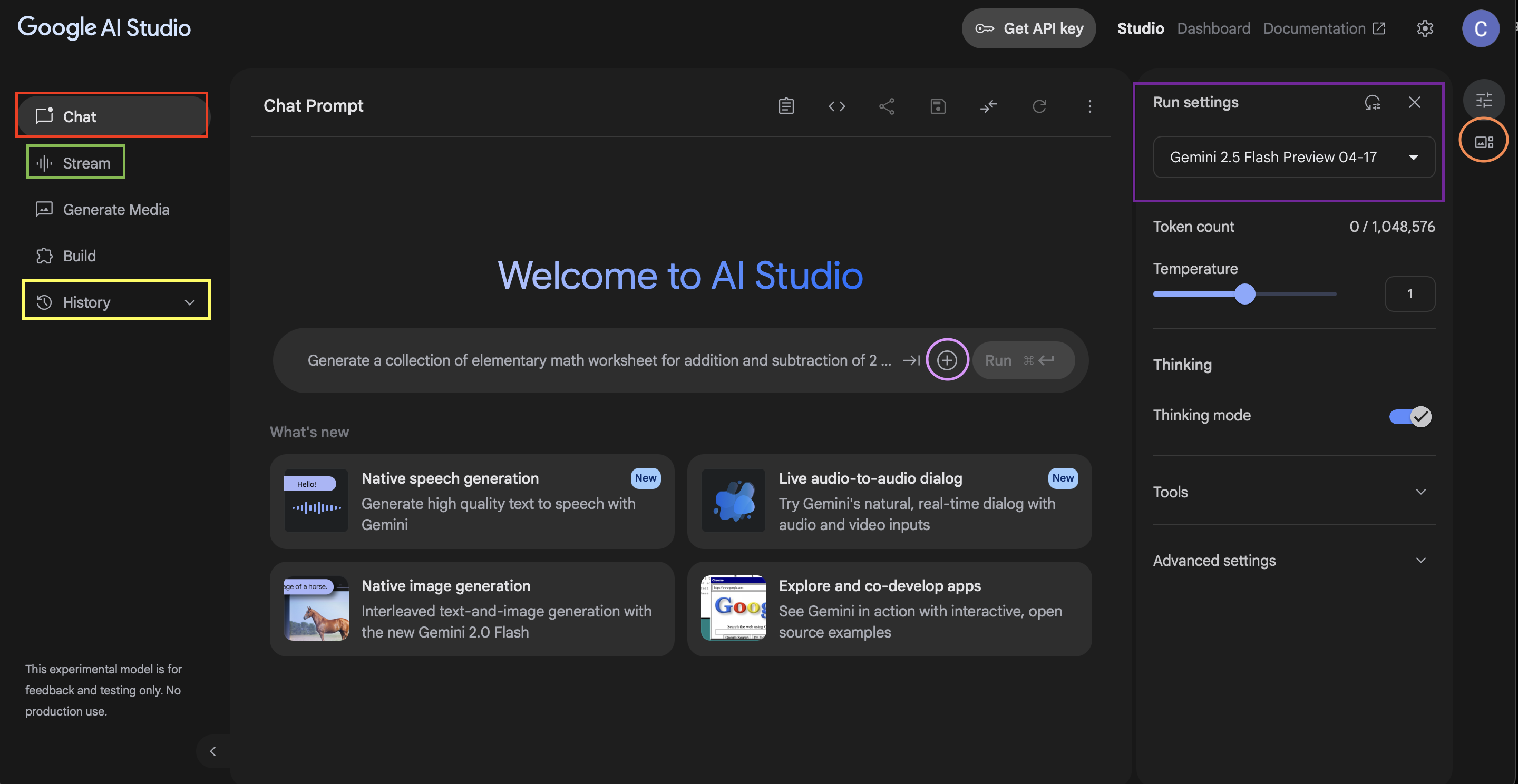
Google has introduced custom URL support for Google AI Studio, a move designed to simplify how developers manage and share their experimental AI workflows. By allowing users to assign specific, human-readable URLs to their projects, the platform aims to reduce the friction often associated with managing complex API keys and testing environments. This update follows a broader trend among major AI providers to prioritize developer experience as a means of encouraging deeper integration with their proprietary models, such as the Gemini series.

According to official documentation from the Google AI Studio portal, these custom URLs function as a management layer that assists teams in version control and project sharing. The update is part of a wider effort by Google to maintain competitive parity in the developer tools market, where speed of iteration remains a critical factor for enterprise adoption.
Cloudflare Expands Edge Infrastructure with Drop Feature
Infrastructure provider Cloudflare has launched a new “Drop” feature, aimed at improving how developers handle high-frequency data streams and edge-compute tasks. This feature is intended to allow for more efficient filtering and management of traffic directed toward AI applications, particularly those hosted at the network edge. By integrating this functionality directly into its global network, Cloudflare seeks to address latency issues that frequently plague real-time AI inference models.

Technical specifications provided by Cloudflare’s engineering blog indicate that the Drop feature provides a more sophisticated approach to handling incoming requests, potentially reducing the load on backend servers by intercepting and processing traffic closer to the end user. This development is particularly relevant for developers building latency-sensitive applications, such as real-time voice synthesis or interactive chatbots.
Open-Source Developments: Lingbot-World-2 and Wan-Streamer
The open-source AI community has seen a notable arrival with the public release of Lingbot-World-2, a project originating from research groups in China. The model, now available as an open-source repository, provides developers with an alternative to closed-source systems, focusing on multi-language support and specialized conversational capabilities. While details regarding its specific training architecture are still being analyzed by the international research community, the release marks a continued effort to democratize access to high-parameter language models.
Simultaneously, the release of Wan-Streamer 0.2 has provided a new toolset for those working with video and streaming data in conjunction with AI. As noted in the project’s GitHub repository, Wan-Streamer 0.2 focuses on optimizing the pipeline for real-time video generation and processing, addressing some of the bandwidth and compute constraints that have historically limited the deployment of generative video tools.
Practical Implications for AI Deployment
The intersection of these tools—custom URL management, edge-based traffic filtering, and new open-source models—suggests that the next phase of AI development will be defined by infrastructure efficiency rather than just model scale. For developers, these advancements mean:

- Reduced overhead when sharing experimental models with team members.
- Improved performance for edge-deployed applications through better traffic handling.
- Increased availability of specialized open-source models for custom fine-tuning.
As these technologies mature, industry observers will be monitoring for further updates, particularly regarding how these tools handle data privacy and security compliance, which remain significant hurdles for enterprise-level AI implementation. The next scheduled industry updates regarding model architecture and platform stability are expected to be discussed at the upcoming Google Cloud Next sessions, where further refinements to the AI Studio suite are anticipated.
We invite our readers to share their experiences with these new developer tools in the comments section below. For ongoing coverage of these platforms, stay tuned to our technology news desk as we track the next round of software releases.
Keep reading