An arrest order was issued for Mary Lynn “Lynne” Belichick, daughter-in-law of former New England Patriots head coach Bill Belichick, following her failure to appear in a North Carolina court for a scheduled hearing regarding a speeding citation. The legal matter, which originated in a traffic stop, has moved into a procedural phase involving the issuance of an order for arrest (OFA) due to the missed court date.
According to court records filed in North Carolina, the citation stems from a traffic incident where the defendant was allegedly clocked driving at a speed exceeding the posted limit. Under North Carolina General Statutes, a failure to appear (FTA) in response to a criminal summons or a mandatory court appearance for a traffic infraction typically results in the clerk of court or a presiding magistrate issuing an order for arrest to compel the defendant’s presence in the judicial system. This is a standard administrative procedure in the state’s court system for handling missed appearances.
Legal Context and Traffic Court Procedures
In North Carolina, speeding citations that require a mandatory court appearance often involve speeds significantly above the limit or other aggravating factors. When a defendant does not appear at the appointed time, the court may enter a failure to appear, which suspends the processing of the ticket and triggers the issuance of an arrest order. This order allows law enforcement to take the individual into custody to ensure they are brought before a judge to address the original charge and the missed date.

Official records from the North Carolina Judicial Branch indicate that individuals who find themselves with an outstanding order for arrest for a traffic violation may resolve the matter by contacting the Clerk of Superior Court in the county where the citation was issued. In many instances, defendants can work with legal counsel to file a motion to calendar the case, which allows the court to strike the order for arrest once the defendant agrees to appear for a new, rescheduled hearing.
Background and Public Interest
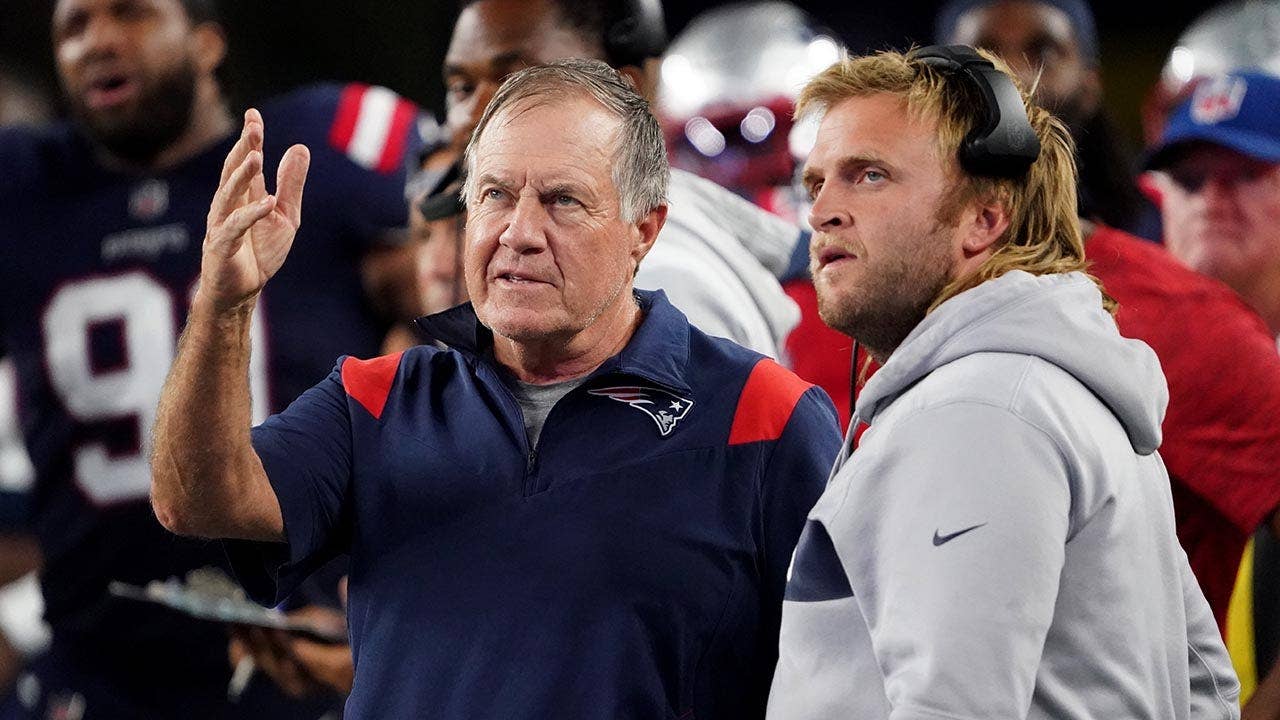
Mary Lynn Belichick is married to Stephen Belichick, a former college football player who has served as a coach in the NFL. The family is widely recognized due to the tenure of Bill Belichick, who is considered one of the most successful coaches in the history of professional American football. While the traffic citation itself is a routine legal matter, the involvement of a high-profile family name has drawn public attention to the case.
The incident underscores the standard application of North Carolina traffic law, where administrative procedures for missed court dates are applied consistently regardless of a defendant’s public profile. As of the latest filings, there have been no public statements from the Belichick family representatives regarding the specific circumstances of the missed court appearance or the subsequent legal steps being taken to resolve the outstanding order.
Next Steps in the Judicial Process
The primary path for resolving this matter involves the defendant or her legal representation scheduling a new appearance date with the local court clerk. Once a new court date is set and the motion to address the failure to appear is processed, the order for arrest is typically recalled or “stricken” from the system, provided the defendant complies with the court’s requirements.
Readers interested in tracking the status of this case can access public records through the North Carolina Administrative Office of the Courts’ online portal, which provides search functions for criminal and traffic citations by name and county. The next confirmed checkpoint for the case will be the scheduling of a new hearing date, at which point the defendant must appear to answer for the underlying traffic infraction. As this is a developing legal matter, further updates will depend on future court filings and administrative actions taken by the presiding magistrate.
Related reading