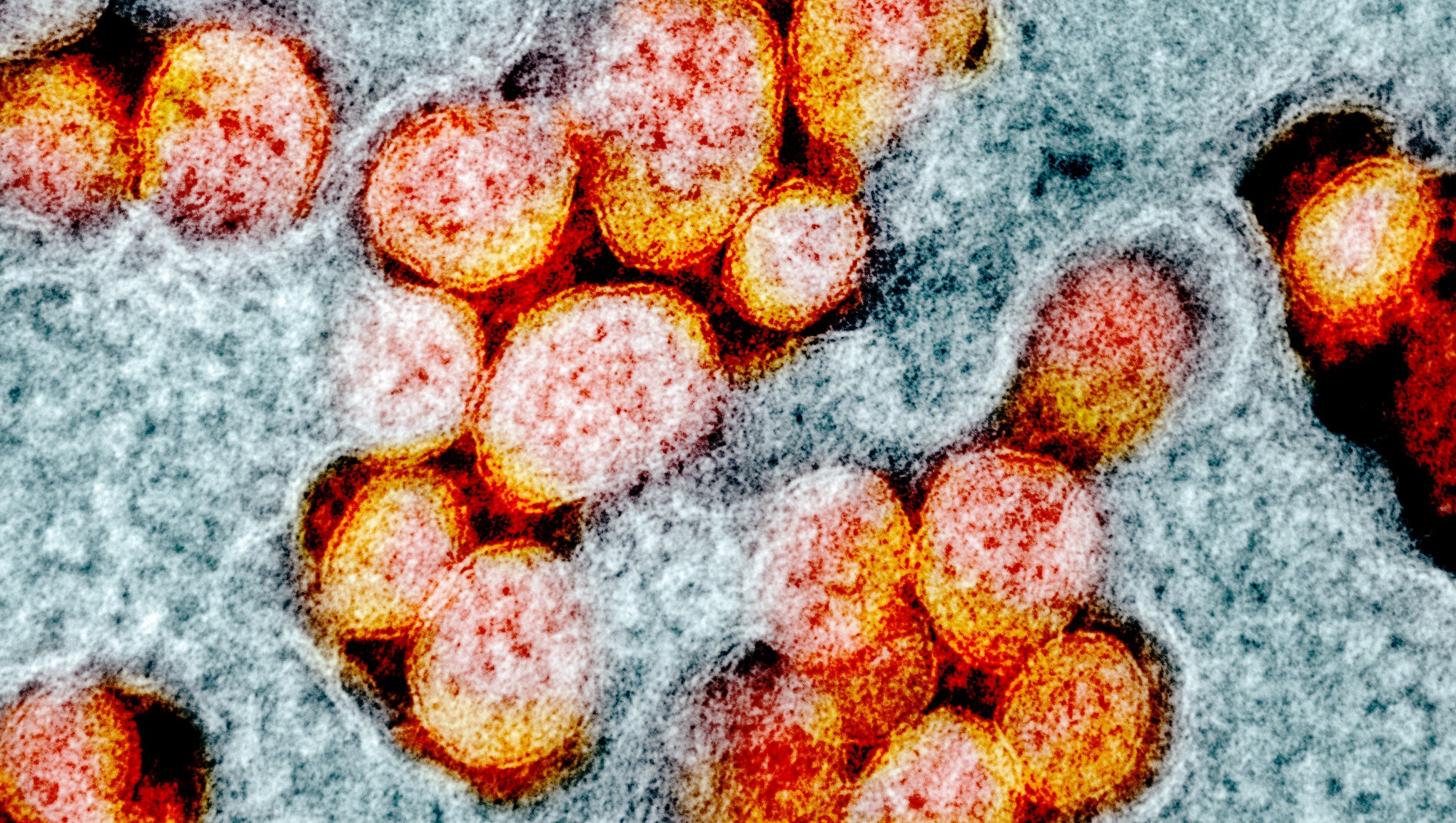
Public health interventions implemented during the COVID-19 pandemic, including rigorous hand hygiene, social distancing, and the widespread use of face masks, led to a significant decline in pediatric gastrointestinal infections. According to research conducted by the Instituto de Salud Carlos III (ISCIII) in Spain, these non-pharmaceutical measures created an environment that hindered the transmission of common enteric pathogens, resulting in a marked reduction in hospital admissions for children suffering from gastroenteritis.
As a physician, I have observed that the intersection of infectious disease control and pediatric health often centers on respiratory viruses. However, the data emerging from the pandemic period highlights a broader benefit: the disruption of transmission chains for fecal-oral pathogens. This shift provides a unique opportunity to evaluate how community-level hygiene behaviors directly influence the burden of disease in our youngest populations.
The Role of Hygiene Measures in Reducing Pediatric Gastroenteritis
The reduction in gastrointestinal infection rates was not merely a byproduct of reduced social contact but a direct result of enhanced sanitization protocols. Data analyzed by the Instituto de Salud Carlos III indicates that the implementation of strict hand-washing regimens, particularly in school settings and households, served as a primary barrier against common viruses such as rotavirus and norovirus. These pathogens are typically transmitted through contaminated surfaces or direct contact, both of which were significantly curtailed during the height of pandemic-related restrictions.
In clinical practice, we often see seasonal peaks in pediatric gastroenteritis that correlate with school attendance and increased social mixing. The ISCIII findings suggest that when these mixing patterns were altered, the typical “epidemic curve” for these gastrointestinal conditions flattened. This serves as a clinical reminder that enteric infections, much like respiratory illnesses, are highly sensitive to behavioral interventions.
Clinical Observations and Long-Term Implications
Beyond the immediate reduction in emergency room visits, the study underscores the necessity of sustained hygiene education. While the pandemic was an extraordinary circumstance, the correlation between consistent hand hygiene and lower rates of pediatric illness is well-supported by broader public health literature, such as guidance provided by the World Health Organization (WHO) regarding the prevention of diarrhoeal diseases. The challenge for healthcare systems now is to determine how to maintain these positive hygiene habits without the strict mandates that characterized the 2020–2021 period.
For parents and caregivers, the takeaway is clear: the measures that protected children from COVID-19 also provided a secondary layer of protection against a wide array of other common childhood ailments. As we move forward, integrating these habits into daily routines—rather than treating them as emergency-only measures—remains a cornerstone of preventative pediatrics.
Understanding the Data and Future Research
The research from the ISCIII provides a vital baseline for future epidemiological studies. By isolating the effects of mobility restrictions and hygiene mandates, scientists are better equipped to model how future public health policies might be tailored to protect pediatric health. The European Centre for Disease Prevention and Control (ECDC) continues to monitor these trends, emphasizing that while viral circulation has returned to near-pre-pandemic levels in many regions, the data gathered during the lockdown periods remains an invaluable reference point for understanding pathogen transmission dynamics.
The reduction in gastrointestinal infections was not uniform across all age groups, but the pediatric cohort showed the most pronounced response. This is likely due to the high frequency of social interaction in schools and daycare settings, which are traditional hubs for the spread of enteric viruses. Understanding these hubs allows for more targeted interventions, such as improved ventilation and enhanced sanitization in schools, which are already standard recommendations in many European health jurisdictions.
Next Steps for Public Health
The next phase of this research involves assessing whether current post-pandemic infection rates are returning to historical averages or if there is a persistent, lower baseline due to increased public awareness of hygiene. Researchers at the ISCIII and other European health institutes are expected to release follow-up data in the coming months that will clarify whether the “hygiene dividend” observed during the pandemic has lasting effects on public health outcomes. Readers who wish to follow these developments can monitor updates from the Spanish Ministry of Health, which frequently publishes reports on national epidemiological surveillance.
Maintaining these gains will require ongoing public health communication. We have seen that consistent, simple behaviors like proper handwashing are among the most cost-effective tools in a physician’s arsenal. I encourage you to share your experiences or questions regarding these findings in the comments section below, as we continue to analyze how these public health lessons apply to our daily lives.