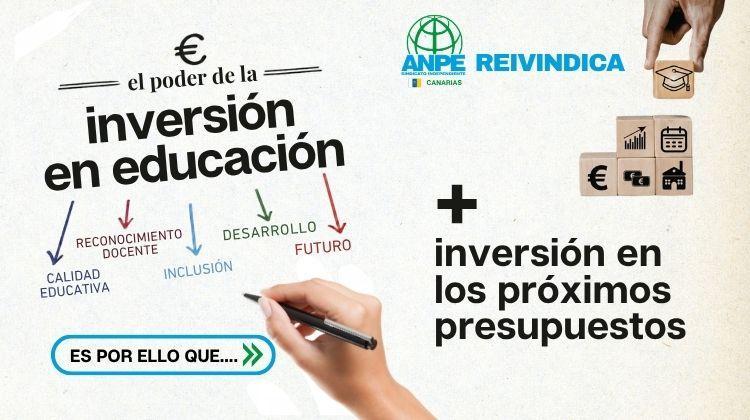
Teacher unions and educational advocacy groups in the Canary Islands are intensifying their demands for significant increases in public education funding ahead of the upcoming regional budget cycle. As the government prepares its fiscal roadmap for the next calendar year, representatives are calling for a structural shift in how resources are allocated, specifically targeting the improvement of classroom conditions and the professional welfare of the teaching workforce.
The push for increased investment reflects broader concerns regarding the sustainability of public education systems in autonomous regions. According to the Canary Islands Department of Education, resource allocation remains a primary factor in maintaining service quality across the archipelago. Stakeholders argue that current funding levels are insufficient to address rising inflationary pressures and the increasing demands placed on educators, who report mounting workloads and a need for better support infrastructure.
Addressing Teacher Workloads and Classroom Ratios
At the center of the current debate is the relationship between funding and teacher working conditions. Advocacy groups are highlighting that without a substantial budget increase, schools will struggle to reduce student-to-teacher ratios—a metric that has been a point of contention for several years. The Organic Law on Education provides the legal framework for these standards, but implementation varies significantly based on regional budgetary capacity. Educators maintain that lower ratios are essential for personalized instruction and for managing the diverse needs of the student population in the Canary Islands.

Beyond classroom size, there is a clear demand for investment in professional development and administrative support. Teachers report that an increasing portion of their time is diverted to bureaucratic tasks, which detracts from their primary instructional roles. By prioritizing these areas in the upcoming budget, proponents suggest that the regional government could mitigate burnout and improve retention rates within the teaching profession, which is currently facing a period of high turnover in several municipalities.
Economic Context of Regional Education Spending
The call for more funding arrives at a time when the regional government is balancing competing fiscal priorities. While the Canary Islands have seen modest economic recovery, education officials are under pressure to ensure that these gains are reflected in school infrastructure and personnel budgets. Financial analysts often point to the Spanish regional financing system as a limiting factor, as it dictates the revenue streams available to autonomous communities for essential services like education and healthcare.

For the upcoming fiscal year, the focus remains on whether the government will prioritize long-term human capital investment or short-term fiscal consolidation. The demand for increased investment is framed by unions as an essential move to protect the future of the region’s youth. If the budget fails to meet these expectations, unions have signaled that they will continue to advocate for policy changes, potentially escalating their demands through formal negotiations and public awareness campaigns.
Next Steps for Regional Budgetary Review
The formal presentation of the draft budget is the next major milestone in this process, typically occurring in the final quarter of the year. Following the release of the draft, the regional parliament will initiate a review process, during which unions and other stakeholders will have the opportunity to present their case before the relevant legislative committees. This period of public and parliamentary scrutiny is where the final funding levels for the education sector will be determined.

Readers interested in monitoring these developments can follow the official announcements from the Parliament of the Canary Islands, where the budget debate will take place. As the legislative calendar progresses, we will continue to track how these financial decisions impact schools and teaching staff across the region. We encourage our readers to share their views on these developments in the comments section below.
Related reading