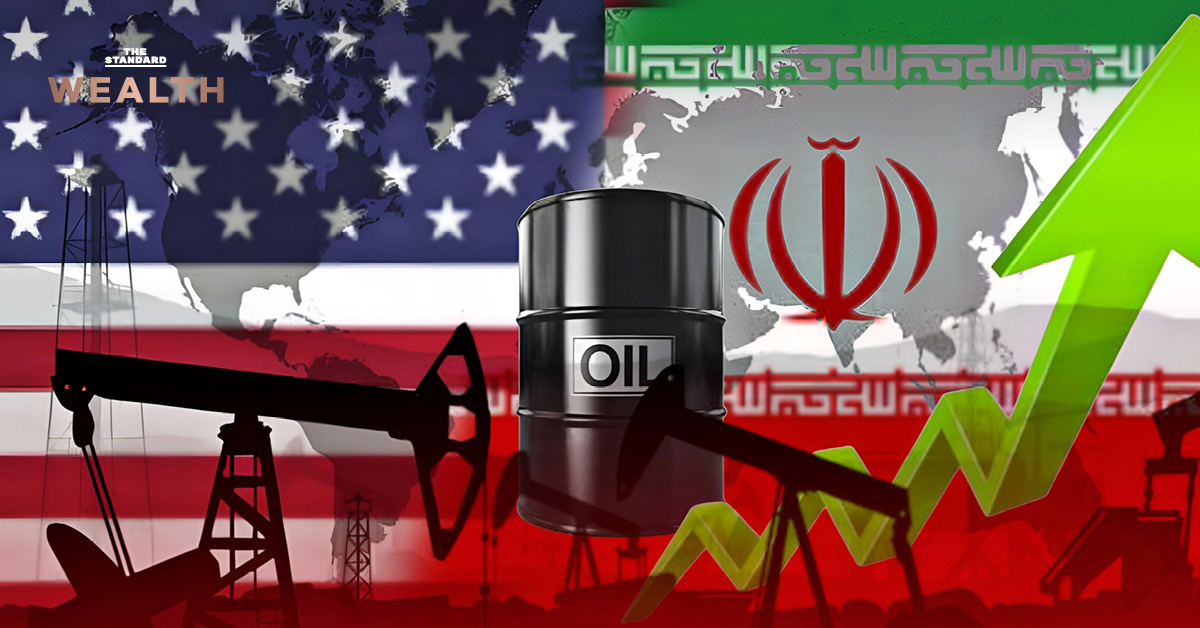
Global energy markets face renewed volatility as Brent crude prices surged past $86 per barrel this week, driven by intensifying geopolitical tensions centered on the Strait of Hormuz. The strategic maritime chokepoint has become the primary focal point of a escalating standoff, prompting analysts to warn that further disruptions could push global benchmarks toward the $100-per-barrel threshold.
The current instability follows reports regarding maritime security incidents in the Persian Gulf and an uptick in military activity involving U.S. and Iranian forces. As of this week, market participants are closely monitoring the potential for sustained supply chain interruptions. The price of Brent crude reflects this heightened risk premium as traders account for the possibility of a prolonged closure or restricted passage through the waterway.
Geopolitical Tensions and Energy Market Impacts
The upward pressure on oil prices is linked to security incidents near the Strait of Hormuz. Any sustained disruption to this flow forces a reliance on limited pipeline alternatives, tightening global supply and driving up costs for consumers and industries alike.

In response to the deteriorating security environment, international aviation authorities have issued warnings to commercial carriers. European aviation authorities have advised airlines to avoid the airspace over the Persian Gulf. This guidance is a precautionary measure intended to minimize risks to civilian aircraft operating in areas where military activity is elevated or unpredictable.
Maritime Security and Regional Stability
The situation in the Persian Gulf remains fluid, with regional governments expressing concern over the safety of commercial shipping. Officials in the United Arab Emirates have condemned Iran for ‘audacious’ attacks on oil tankers at Hormuz, labeling the actions as disruptive to international commerce and regional stability. These maritime security concerns are compounded by the broader strategic competition between the United States and Iran.
The U.S. Navy has begun blockading Iranian ports and launched additional attacks. Trump has threatened to destroy “Pickax Mountain,” the site of Iran’s underground nuclear plants. Reports of interference with shipping can lead to immediate price spikes in global energy markets due to the high sensitivity of the supply chain to regional conflict.
Market Projections and Energy Security Risks
Market analysts are currently assessing the duration and intensity of the current maritime tensions. While Brent crude has breached the $86 mark, the path to $100 per barrel remains a subject of debate among energy economists. A return to triple-digit oil prices would likely require a significant, long-term closure of the strait or a direct, large-scale conflict that fundamentally alters the regional production landscape. Most analysts suggest that the current price levels already incorporate a significant “geopolitical risk premium.”

For global investors and energy consumers, the primary indicators to watch in the coming days include official statements regarding shipping safety and any updates to regional military posture. As the situation evolves, the focus remains on whether diplomatic channels can de-escalate the friction before it translates into a structural supply shock. Readers are encouraged to monitor official government advisories and credible energy market reports for updates on transit security and crude oil pricing trends.
- Legitimising Lethal State Violence: The Case of Renee Good and ICE
- Russia Strikes Odessa Port: Three Merchant Sailors Killed
- Why Gas Prices Can Differ by $1 Between Stations a Block Apart (daybreakwire.com)
- Robert Reich: Trump’s Failed Iran Diplomacy and the Crisis in the Strait of Hormuz (archyde.com)