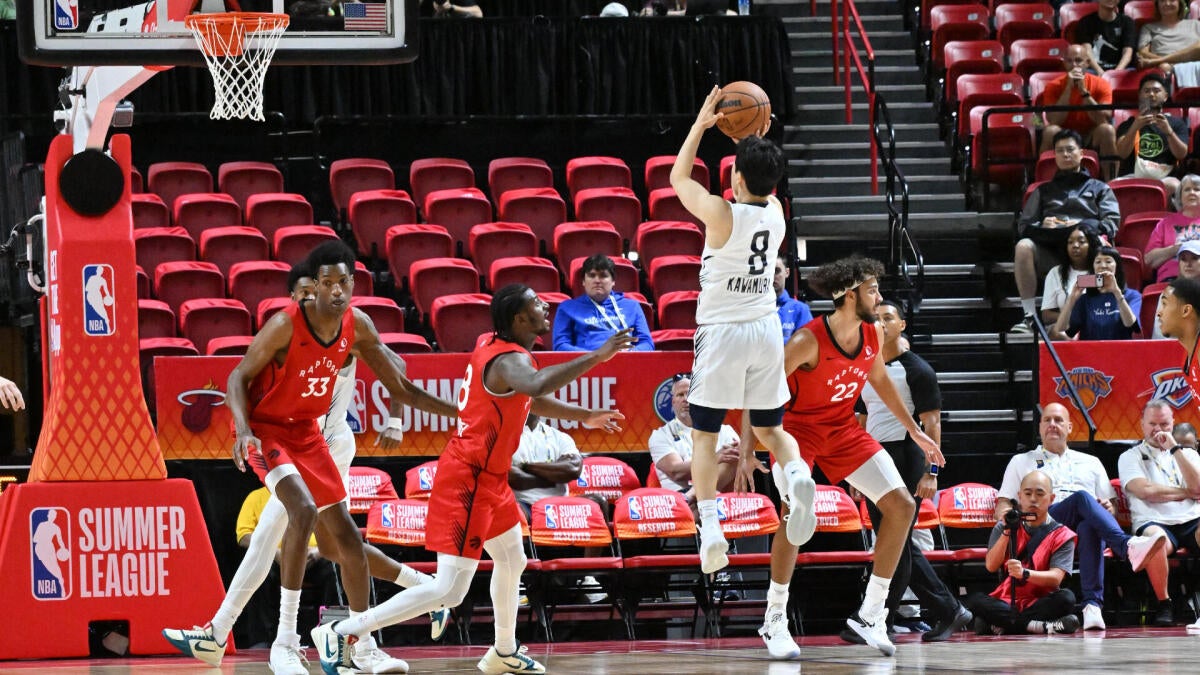
NCAA coaches are currently recalibrating their recruiting and roster management strategies as legal challenges against age-based eligibility requirements create uncertainty in the collegiate basketball landscape. The evolving regulatory environment, coupled with the fluidity of the modern transfer portal, has led some agents to explore potential pathways for players to transition from the NBA Summer League environment back into the college system, a move that would represent a significant shift in traditional amateur athlete development.
As the Sports Editor here at World Today Journal, I have followed the intersection of professional and collegiate athletics for over a decade. The current friction stems from the complex interplay between NCAA eligibility bylaws and the professional aspirations of young players. While the NCAA has historically maintained strict amateurism standards, the legal landscape surrounding “name, image, and likeness” (NIL) rights and athlete employment status—most notably seen in cases like House v. NCAA—has forced the governing body to reconsider its approach to player movement and age restrictions.
Legal Challenges and Eligibility Shifts
The core of the current instability lies in the legal scrutiny of NCAA bylaws that have previously dictated when and how a student-athlete can participate in collegiate sports after flirting with professional opportunities. According to the NCAA Eligibility Center, the process for maintaining amateur status is rigorous, yet recent court rulings have increasingly challenged the association’s ability to restrict player mobility. The U.S. Department of Justice and various state attorneys general have signaled an increased interest in whether NCAA policies constitute anticompetitive behavior, particularly regarding the ability of athletes to earn compensation and seek professional development.

For college coaches, this translates to a “roster chaos” scenario. Coaches who once relied on predictable four-year cycles are now managing rosters that can turn over entirely in a single offseason. When a player who has participated in the NBA Summer League seeks to return to college, coaches must navigate a labyrinth of NCAA compliance rules regarding their remaining eligibility. The NCAA Division I Manual outlines specific conditions for transfer and reentry, but these are being tested as players and their representatives leverage legal arguments to bypass traditional waiting periods.
The Summer League to College Pipeline
The NBA Summer League serves as a critical evaluation period for players who have either declared for the draft or are looking to secure a professional contract. For those who go undrafted or fail to secure a guaranteed roster spot, the prospect of returning to the NCAA is becoming an increasingly viable fallback. Agents representing these athletes are now looking for ways to maximize their clients’ exposure while retaining the safety net of collegiate eligibility.

This dynamic creates a unique pressure on university programs. A coach might have a scholarship spot reserved for a high-school recruit, only to have a former player or a new transfer emerge from the Summer League circuit looking to return to campus. This forces programs to maintain extreme flexibility, often at the expense of long-term roster stability. The financial implications are also substantial, as universities must balance scholarship budgets with the evolving demands of NIL collectives that are often the primary driver for players choosing to stay in—or return to—the college game.
Managing Roster Volatility
How are programs coping with this volatility? Many are adopting a “wait-and-see” approach to the final weeks of the offseason. By holding back scholarship offers until the conclusion of professional summer circuits, coaching staffs attempt to mitigate the risk of losing players to the NBA or having to scramble when a player returns late in the summer. According to reports from the Associated Press regarding the state of college athletics, the reliance on the transfer portal has become the standard operating procedure for mid-to-high major programs looking to fill gaps created by late-summer departures.
The following table outlines the primary factors contributing to this trend:
| Factor | Impact on NCAA Rosters |
|---|---|
| NIL Compensation | Increases the incentive for players to remain in college rather than playing for lower-tier professional leagues. |
| Transfer Portal | Allows for immediate player movement, reducing the time required to integrate new talent. |
| Legal Challenges | Weakens the enforcement of traditional eligibility “deadlines” or age-based restrictions. |
What Comes Next for NCAA Programs
The immediate future for college basketball will be defined by the outcome of ongoing litigation and the potential for a new governance model within the NCAA. With the settlement agreement in the House v. NCAA case currently moving through the legal system, the landscape for athlete compensation and eligibility is expected to undergo further transformation. Programs are awaiting official guidance from the NCAA regarding how these settlements will impact the day-to-day operations of athletic departments.

Coaches and athletic directors are bracing for a period of continued instability as they wait for the courts to clarify the limits of the NCAA’s authority. For fans and observers, this means the off-season will likely remain as active and unpredictable as the regular season itself. We will continue to track these developments as official filings emerge from the courts and the NCAA national office.
Are you seeing the effects of these roster changes in your local college programs? Share your thoughts in the comments section below, and stay tuned to World Today Journal for further updates on the evolving state of collegiate sports.