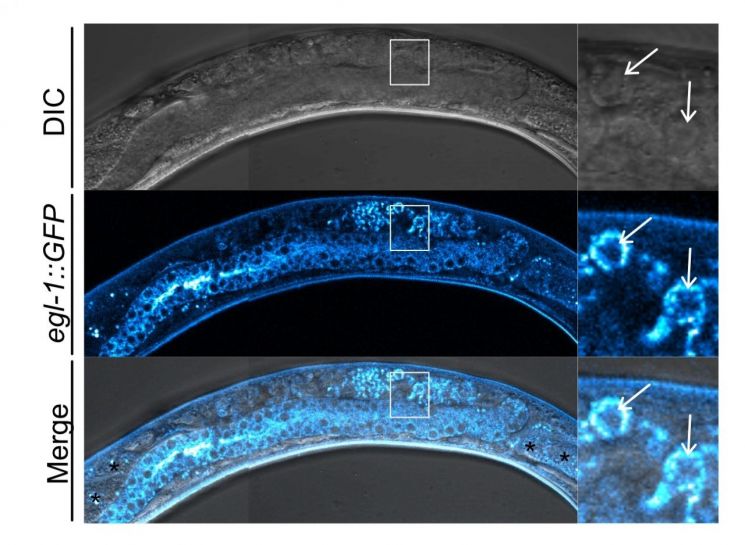
Biological researchers have identified a distinct “death rule” governing how germ cells—the precursors to sperm and eggs—respond to DNA damage. Unlike somatic cells, which typically undergo apoptosis (programmed cell death) when their genetic material is compromised, germ cells employ a more selective survival mechanism to ensure the integrity of the genetic line passed to future generations. This discovery, published in the journal Science, clarifies why certain damaged germ cells persist while others are eliminated, providing new insights into reproductive health and the molecular foundations of fertility.
The study, led by researchers at the University of California, San Francisco (UCSF), focused on the protein p53, a well-known tumor suppressor often described as the “guardian of the genome.” While p53 is traditionally understood to trigger cell death in damaged somatic cells to prevent cancer, the research team found that in germ cells, the protein functions under a different set of regulatory constraints. According to the official press release from UCSF, the researchers discovered that the threshold for p53-mediated death is significantly higher in germ cells, allowing them to tolerate levels of DNA damage that would be fatal to other cell types.
The p53 Paradox in Germ Cells
In most tissues, the p53 protein acts as a binary switch. When cellular stress or DNA breakage is detected, p53 accumulates and initiates a cascade of signals that forces the cell to commit suicide. This process is essential for preventing the propagation of mutations that could lead to malignant transformation. However, if germ cells operated under this same strict protocol, the high rate of natural DNA damage that occurs during processes like meiosis—the division required to create eggs and sperm—would lead to mass cell death and widespread infertility.
The UCSF team, utilizing advanced imaging and CRISPR-based gene editing, observed that germ cells maintain low levels of the p53 protein through a specialized degradation pathway. By modulating this pathway, the researchers demonstrated that they could “re-sensitize” germ cells to DNA damage, effectively forcing them to follow the same death rules as somatic cells. This finding suggests that the evolutionary priority for germ cells is not absolute genetic perfection, but rather the maintenance of a viable population of cells capable of successful reproduction.
Implications for Fertility and Medical Research
Understanding these distinct survival mechanisms holds significant promise for reproductive medicine. Many causes of human infertility remain idiopathic, meaning the biological mechanism behind the failure of gamete production is unknown. By identifying the specific molecular “brakes” that prevent germ cell death, clinicians may one day be better positioned to diagnose or treat conditions where germ cells are prematurely depleted due to environmental stressors or genetic predispositions.
Furthermore, this research provides a clearer view of how the human body balances the risks of mutation with the necessity of reproduction. As noted in the study published in Science, the ability of germ cells to “ignore” minor DNA damage acts as a buffer against the high-energy processes of meiosis. This mechanism ensures that even if individual cells experience minor breakage, the overall pool of germ cells remains sufficient to support fertilization. Future studies are expected to explore whether this pathway can be manipulated to protect germ cells from external damage caused by chemotherapy or radiation therapy, which are known to cause secondary infertility in cancer patients.
Scientific Advancements in Cellular Regulation
This study represents a significant shift from the traditional “one-size-fits-all” model of cellular stress response. By isolating the specific regulatory proteins involved in germ cell survival, the researchers have moved beyond observing that these cells survive to understanding the precise signaling pathway that permits that survival. The research team utilized high-resolution microscopy to track p53 levels in real-time, confirming that the protein’s stability is the primary determinant of cell fate in the presence of double-strand DNA breaks.
For those interested in the ongoing developments in reproductive biology and genomic stability, the findings are currently being reviewed by the broader scientific community to determine how these pathways interact with age-related fertility decline. Official updates on related clinical research and subsequent studies regarding the p53 pathway will be monitored by the scientific community through peer-reviewed journals. Readers can find further information on these molecular mechanisms through the Science journal archives, where the full technical analysis of the study is available for review.
As research continues, the primary checkpoint for the field will be determining whether these findings can be replicated in human tissue models, as much of the initial regulatory mapping was conducted in model organisms. We invite our readers to share their thoughts on these advancements in our comments section below.
Keep reading