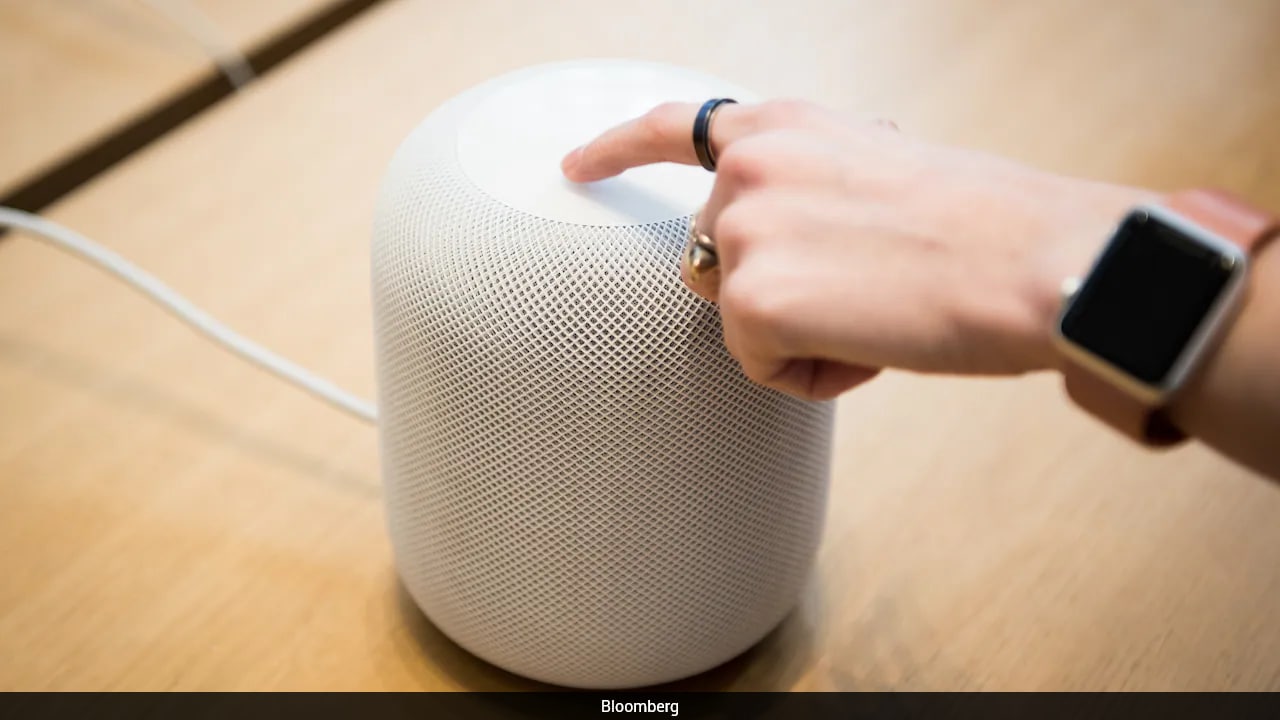
OpenAI is reportedly developing a screenless, movable AI-powered speaker as its inaugural entry into the consumer hardware market, a move intended to expand the company’s reach beyond software interfaces. According to reporting by Bloomberg, the project aims to create a dedicated hardware platform for its generative AI models, potentially positioning the firm as a direct competitor to established consumer electronics giants like Apple. This development comes as the company balances product innovation with ongoing legal challenges, including high-profile litigation regarding its founding mission and corporate structure.
The proposed device, which remains in the conceptual or early development stages, signals a strategic pivot for the San Francisco-based startup. By moving away from a traditional screen-based interaction model, OpenAI is exploring how voice-first artificial intelligence can integrate into household environments. This strategy aligns with broader industry trends toward “ambient computing,” where AI functions as a background assistant rather than a primary portal requiring constant visual engagement.
Hardware Ambitions and the Apple Connection
The push into hardware is bolstered by the involvement of former Apple design talent. Reports indicate that Jony Ive, the renowned designer behind the iPhone and iMac, has held discussions with OpenAI regarding the development of this new hardware. While neither OpenAI nor Ive has officially confirmed the specific form factor of the device, the collaboration suggests a focus on premium, minimalist design—a hallmark of Apple’s product philosophy.

The ambition to challenge Apple in the home audio and assistant space carries significant technical and market risks. Apple’s HomePod ecosystem relies on deep integration with the iOS environment, providing a seamless user experience that is difficult to replicate. OpenAI’s challenge lies in creating a standalone device that offers enough unique utility through its advanced large language models (LLMs) to justify a shift away from existing, entrenched ecosystems. Industry analysts have noted that the success of such a product depends on whether the AI can provide proactive, high-accuracy assistance that exceeds the capabilities of current voice assistants like Siri or Alexa.
Legal and Regulatory Crosscurrents
OpenAI’s hardware aspirations are unfolding against a backdrop of complex legal scrutiny. The company is currently navigating various legal fronts, ranging from copyright disputes with media organizations to internal governance challenges. In a notable suit filed by Elon Musk, a co-founder of OpenAI, the company faces allegations concerning its transition from a non-profit foundation to a capped-profit entity, with claims that it has prioritized commercial interests over its original mandate to develop AI for the benefit of humanity, according to court filings.

These legal pressures create a difficult environment for a hardware launch, which typically requires years of supply chain stability, patent security, and public trust. The company has moved to dismiss claims in the Musk litigation, arguing that the lawsuit is based on a misunderstanding of its corporate evolution. Nevertheless, the ongoing volatility surrounding the firm’s leadership and strategic direction continues to draw attention from regulators and investors alike.
The Path to Market
For OpenAI, the shift toward physical products represents a fundamental change in its business model. To date, the company has primarily operated as an API and software platform provider, licensing its GPT models to third-party developers and enterprise customers. Transitioning to a hardware-first model requires specialized expertise in manufacturing, retail distribution, and consumer privacy—areas where the company has limited direct experience.
Market observers are monitoring the company’s official newsroom for any announcements regarding product roadmaps or hardware partnerships. As of mid-2024, no specific release date, pricing, or technical specifications have been confirmed for a consumer speaker. The project remains an experimental effort that could be scaled, pivoted, or discontinued based on internal performance metrics and the evolving landscape of AI-integrated consumer devices.

The next major checkpoint for the company involves addressing ongoing litigation regarding its intellectual property and corporate governance, which will likely influence its ability to secure the long-term capital required for hardware manufacturing. Readers interested in the latest official updates from the company can monitor their public statements or follow upcoming court hearings for developments that may impact the firm’s strategic trajectory. We welcome readers to share their thoughts on the potential for AI-driven hardware in the comments section below.
- San José Mayor Requests Municipal Council Action Amid Media Pressure
- Jim Banks Proposes Ending Birthright Citizenship by Labeling Migrants “Invaders
- OpenAI to Launch First Hardware Device: Moveable Screenless Smart Speaker (world-today-news.com)
- OpenAI’s First Hardware Launch: A Moveable, Screenless AI-Powered Speaker Revealed (newsdirectory3.com)