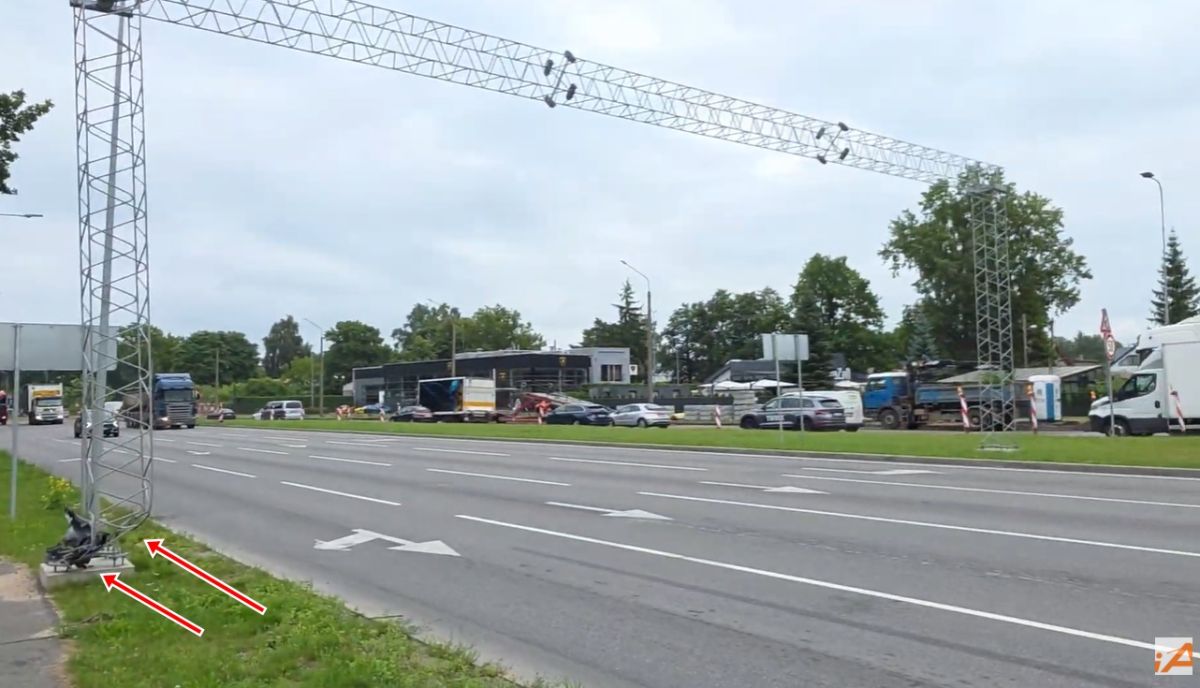
Motorists traveling along Kārļa Ulmaņa gatve in Riga, Latvia, have raised persistent safety concerns regarding a visibly deformed overhead metal structure that has remained in a state of disrepair for several months. The infrastructure, located above a major arterial road, exhibits significant warping, prompting public questions regarding the structural integrity of the support system and the potential risk it poses to heavy traffic flow below.
The situation highlights a growing tension between aging urban infrastructure and the necessity for consistent municipal maintenance in high-traffic corridors. While the visual deformation has been documented by local commuters and digital media, the timeline for potential repairs or official safety inspections remains a point of concern for those navigating the route daily.
Infrastructure Maintenance Protocols in Riga
In Latvia, the management of state-level roads and associated infrastructure typically falls under the jurisdiction of the national road administration, Latvijas Valsts ceļi (LVC). Infrastructure safety standards are governed by national construction laws and road maintenance regulations, which mandate that any object suspended over a public roadway must meet specific load-bearing and stability criteria. When structural anomalies are identified, the standard procedure involves an initial site inspection by civil engineers to assess whether the deformation is purely cosmetic or indicative of a deeper mechanical failure.
The persistence of the damage over several months suggests that either the assessment process is ongoing or that the structural impact does not currently meet the threshold for immediate emergency closure. However, for the thousands of vehicles using Kārļa Ulmaņa gatve, the visual state of the beam serves as a focal point for broader discussions regarding the urgency of infrastructure investment in the capital region.
Public Safety and Reporting Procedures
For residents and drivers concerned about the state of public infrastructure, the primary channel for reporting hazards is through official government portals. In Riga, road-related issues can often be flagged via the Latvijas Valsts ceļi contact interface or through local municipal communication channels. When a report is submitted, the responsible agency is legally obligated to document the complaint and assign a technical team to evaluate the site.
The visual evidence captured by commuters underscores the importance of proactive maintenance. In many European jurisdictions, authorities utilize periodic structural health monitoring (SHM) to detect microscopic changes in steel structures before they become visible to the naked eye. The visible warp on the Ulmaņa gatve structure has moved the issue from a technical concern to a visible public safety matter, increasing the pressure on the relevant authorities to provide a transparent update on the structure’s status.
Future Developments and Next Steps
As of the most recent reports, there has been no official announcement regarding a scheduled demolition or repair date for the specific deformed section. The next checkpoint for this issue will likely involve an official statement from the road administration regarding the results of a structural engineering audit. Drivers are advised to monitor the official LVC traffic information website for any potential lane closures or maintenance updates that could affect travel on this route.
Public engagement remains a critical component in ensuring that safety concerns are addressed. If you have witnessed further changes to the structure or have additional information regarding official responses, please contribute to the ongoing discussion in the comments section below. Sharing verified updates helps ensure that all road users remain informed about the status of vital urban infrastructure.
Related reading