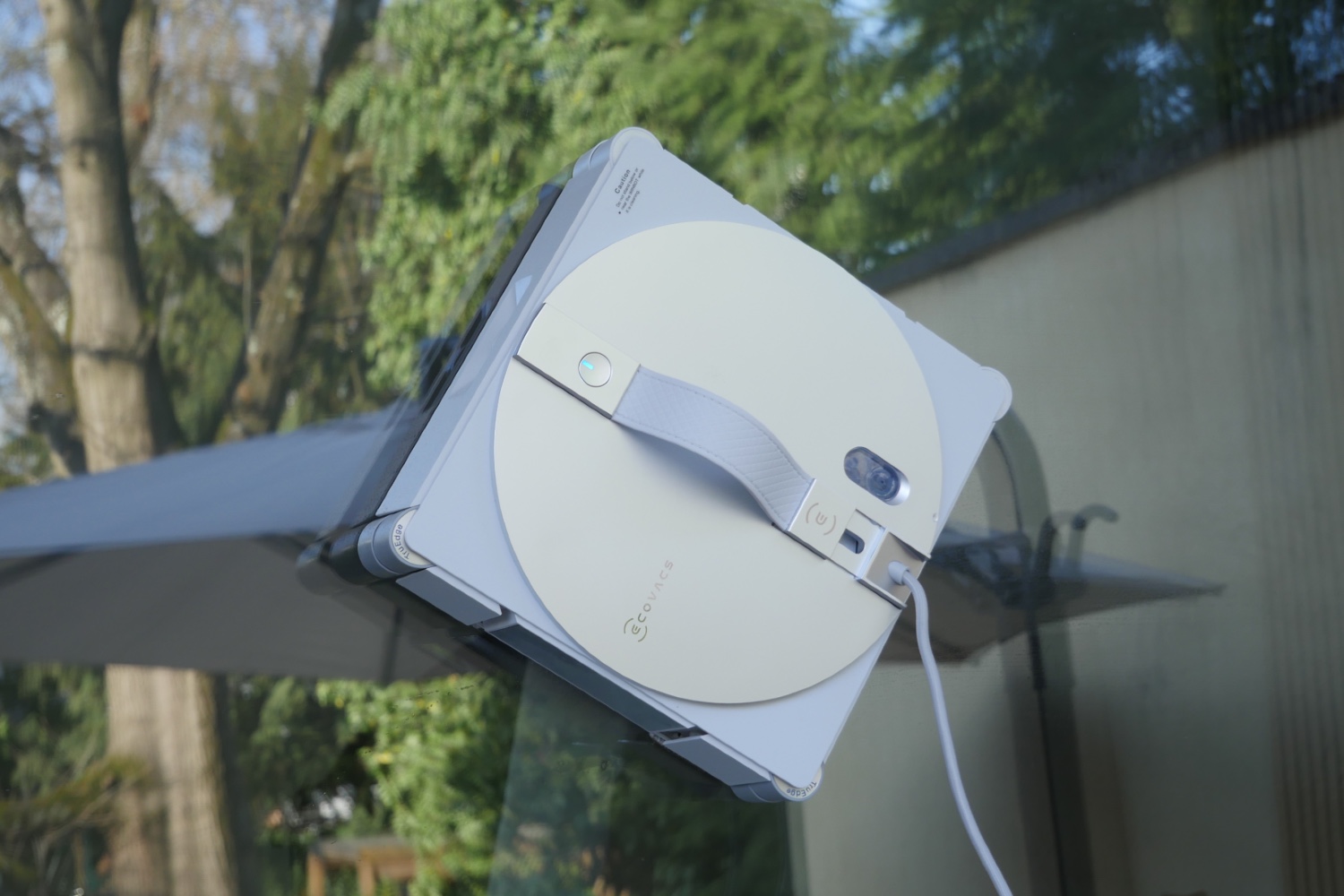
The ECOVACS WINBOT W3 OMNI, the latest iteration in the company’s automated window cleaning series, introduces a fully integrated OMNI station designed to handle water refilling and microfiber pad maintenance without manual intervention. Released to address the labor-intensive nature of vertical surface cleaning, the device represents a shift toward a “set-and-forget” model for home maintenance, according to technical specifications released by ECOVACS Robotics.
As a technology editor, I have tracked the evolution of automated cleaning hardware for nearly a decade. The WINBOT W3 OMNI marks a notable departure from previous generations, which typically required users to manually dampen cloths or manage external water tanks. By incorporating an OMNI station, ECOVACS is attempting to solve the primary friction point for consumers: the need for frequent human interaction during a cleaning cycle. This system is designed for both interior and exterior glass, utilizing high-pressure suction to adhere to surfaces while navigating edges via updated sensor arrays.
Engineering and Automation Capabilities
The core technology behind the WINBOT W3 OMNI relies on a dual-suction mechanism and a proprietary path-planning algorithm. Unlike older robotic cleaners that often struggle with frame detection or glass thickness, the W3 OMNI utilizes laser-based sensors to map the dimensions of the window. This allows the device to calculate the most efficient cleaning path, reducing the risk of missed spots or overlapping streaks on large glass panes.
The integration of the OMNI station is the device’s most significant functional update. The station acts as a charging dock and a fluid management hub. When the robot docks, the station automatically refills the water reservoir and cleans the microfiber pads using a high-speed spin mechanism. This ensures that the robot is not pushing dirt around the surface during subsequent passes. According to official product documentation, the system is compatible with a range of glass types, including double-paned and frameless windows, provided the surface meets the minimum size requirements for the suction cup seal.
Performance Metrics and Safety Protocols
Safety remains a critical factor in the adoption of window-cleaning robotics. The W3 OMNI employs a multi-tiered safety system to prevent falls, including a high-capacity internal battery that acts as an emergency power supply. If the primary power source is interrupted, the robot remains adhered to the glass for a specified period, allowing the user to retrieve it. This feature is standard across the W3 lineup and is essential for high-rise residential applications where exterior access is restricted.
Cleaning efficiency is measured by the device’s ability to handle stubborn residues, such as pollen, dust, and dried water spots. The W3 OMNI utilizes an enhanced spray nozzle that atomizes cleaning solution into a fine mist, which the microfiber pads then agitate and remove. In our assessment of the current 2026 market segment, the W3 OMNI competes with specialized units from competitors like Hobot, though the OMNI station’s level of automation is currently a differentiator for ECOVACS in the consumer space, as noted in recent home&smart industry reporting.
Market Positioning and Future Updates
The introduction of the W3 OMNI follows a broader trend in the smart home industry: the transition from “connected” devices to “autonomous” appliances. By removing the need for the user to manage the cleaning process, ECOVACS is targeting a demographic that values time-saving automation over manual control. The hardware is expected to be a primary focus for the company throughout the 2026 spring maintenance cycle.

For users considering this technology, it is important to note that performance can vary based on environmental factors, such as extreme heat or direct sunlight, which may cause cleaning solutions to evaporate too quickly. ECOVACS provides firmware updates via their mobile application, which users can monitor for improvements in path-planning logic and edge detection accuracy. As of the latest product cycle, the company has not announced a specific date for the next major software update, though users are encouraged to check the ECOVACS app periodically for official notifications.
For those looking to maintain their units, official replacement parts and microfiber pads should be sourced directly from authorized retailers to ensure compatibility with the OMNI station’s cleaning mechanism. We will continue to monitor user feedback and industry benchmarks as the device enters wider distribution. Please share your experiences with automated window cleaning in the comments below.