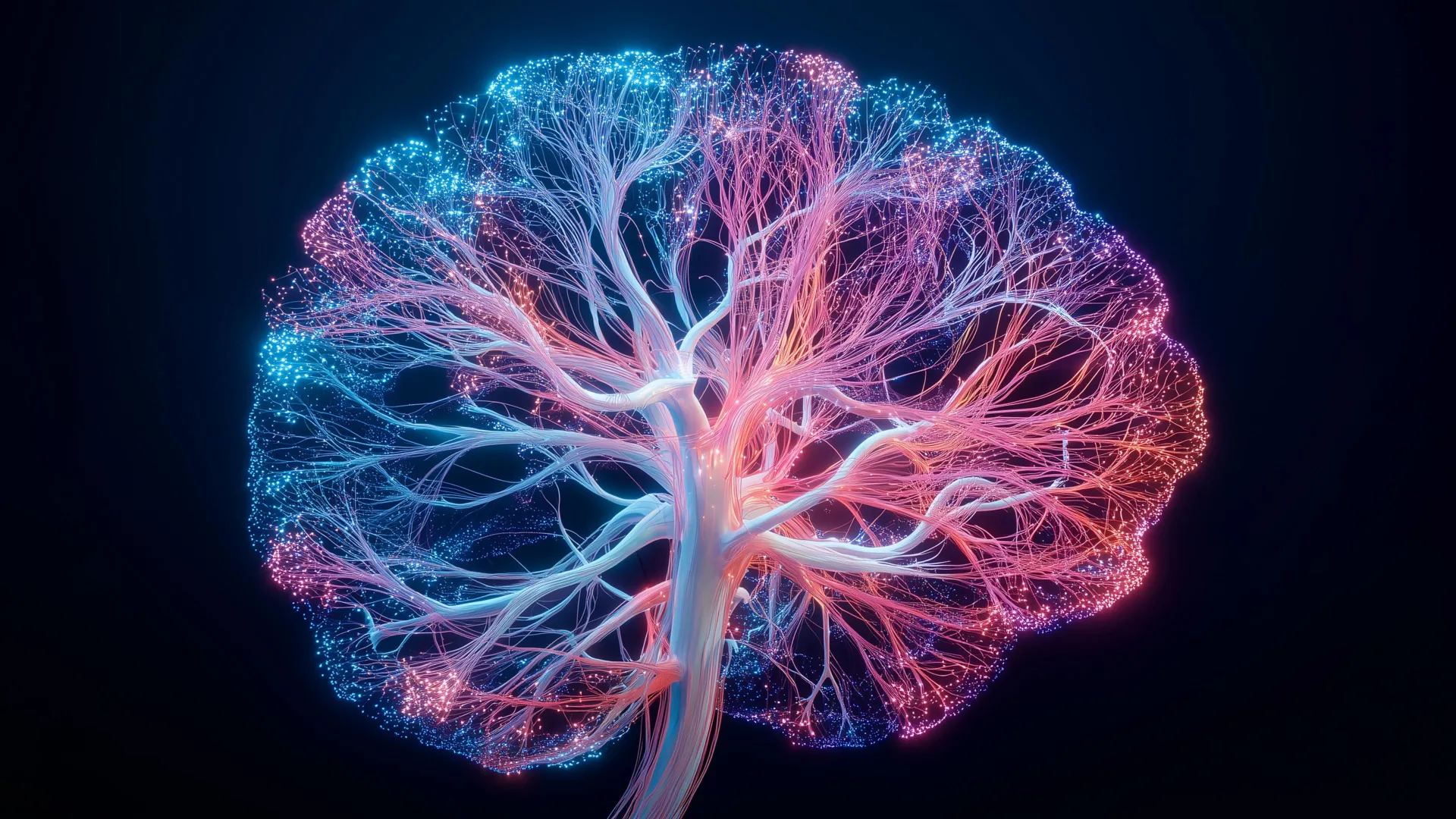
New research indicates that the human brain initiates decision-making processes far earlier than previously understood, challenging long-held models of how sensory information is processed. Rather than a linear “feed-forward” system where the brain receives input and then acts, evidence suggests that higher-order brain regions engage in rapid feedback loops with primary sensory areas.
The study suggests that the brain’s primary sensory regions—rather than simply passing information forward—are influenced by higher brain areas through rapid feedback loops. This suggests that the brain is more dynamic in its function. This more dynamic view of brain function could help engineers design future AI systems that think more like biological brains while using far less power.
Redefining Neural Processing Architectures
However, the latest findings suggest this model is incomplete.
Implications for Next-Generation Artificial Intelligence
The implications of this research extend well beyond biology and into the realm of computer science.

Future Directions in Neuroscience and Computing
For those interested in the intersection of biological intelligence and machine learning, tracking these developments is essential. The ability to bridge the gap between how we think and how we build machines remains one of the most active frontiers in modern science. We invite readers to share their thoughts on the potential for brain-inspired computing in the comments section below.
Worth a look